
Last updated November 15, 2026
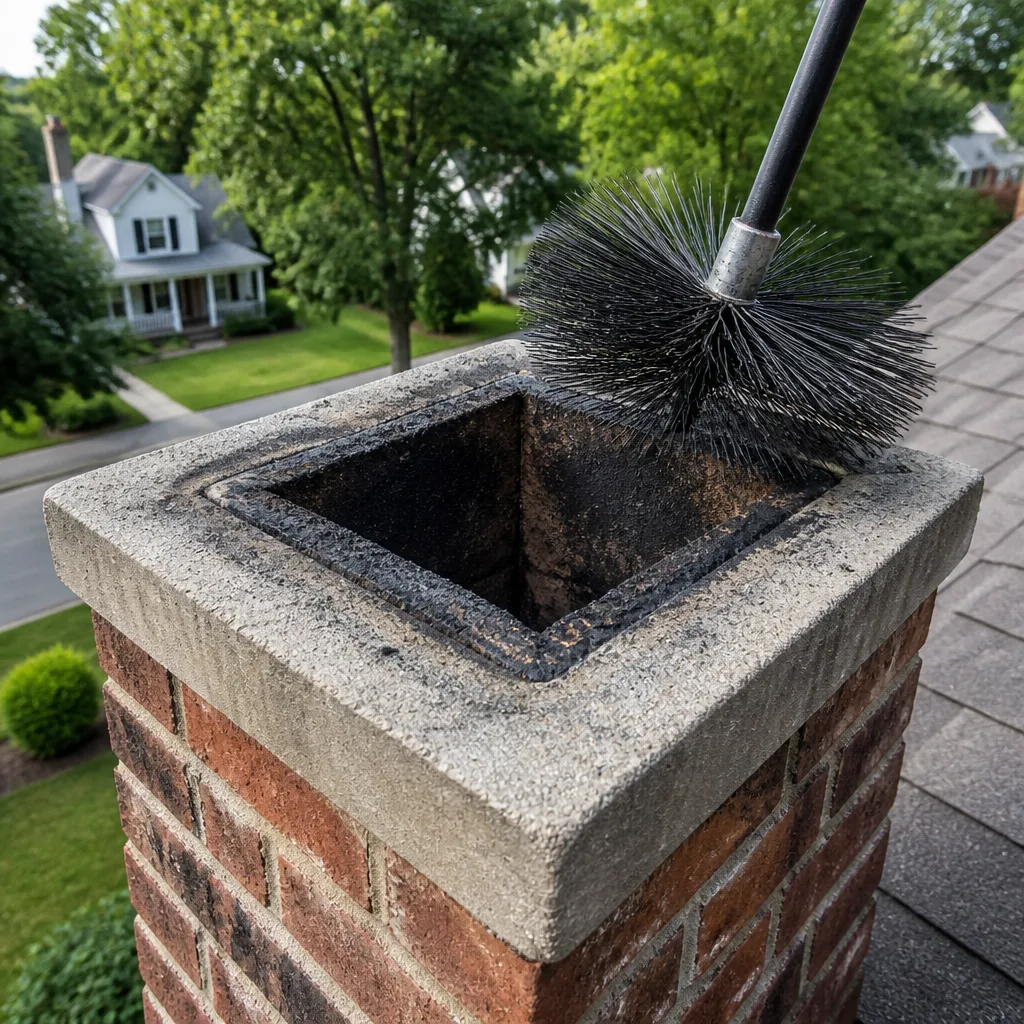 Sweep & inspection
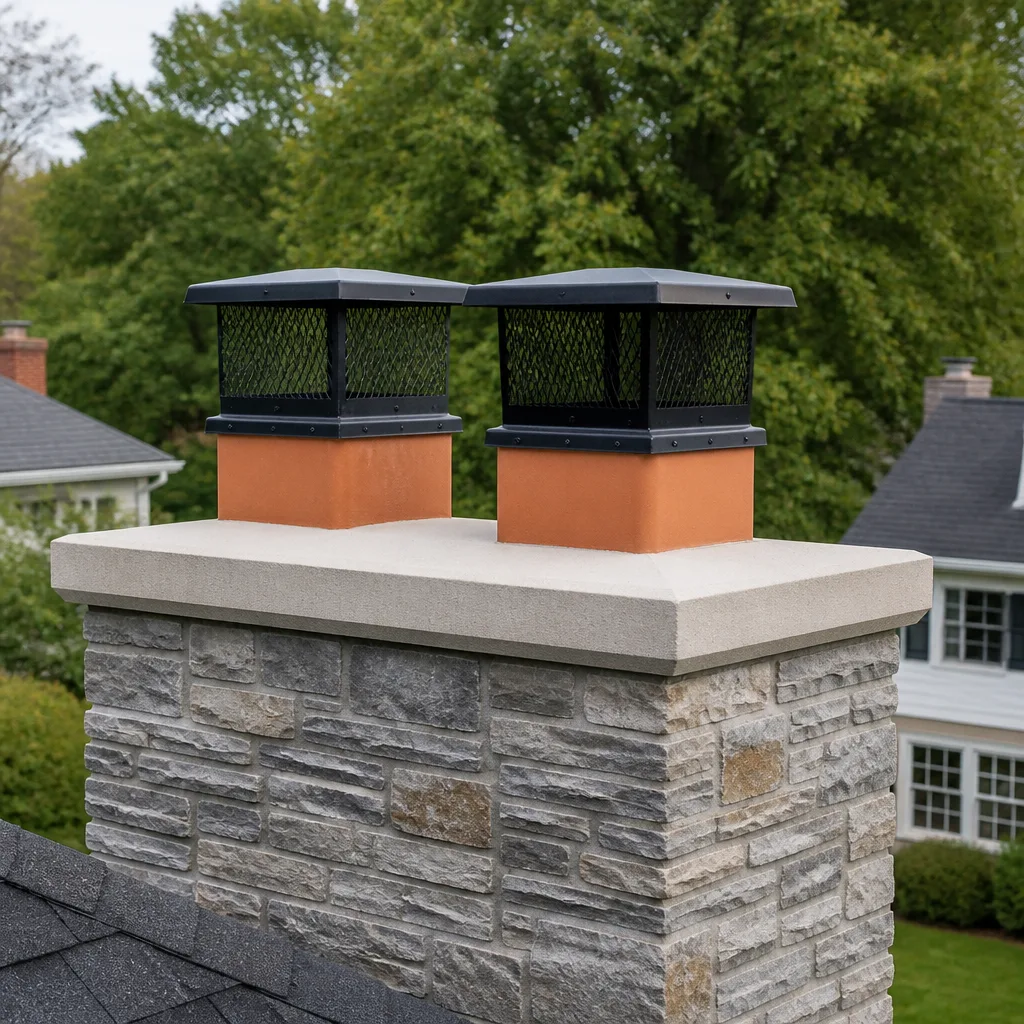 Caps & crowns
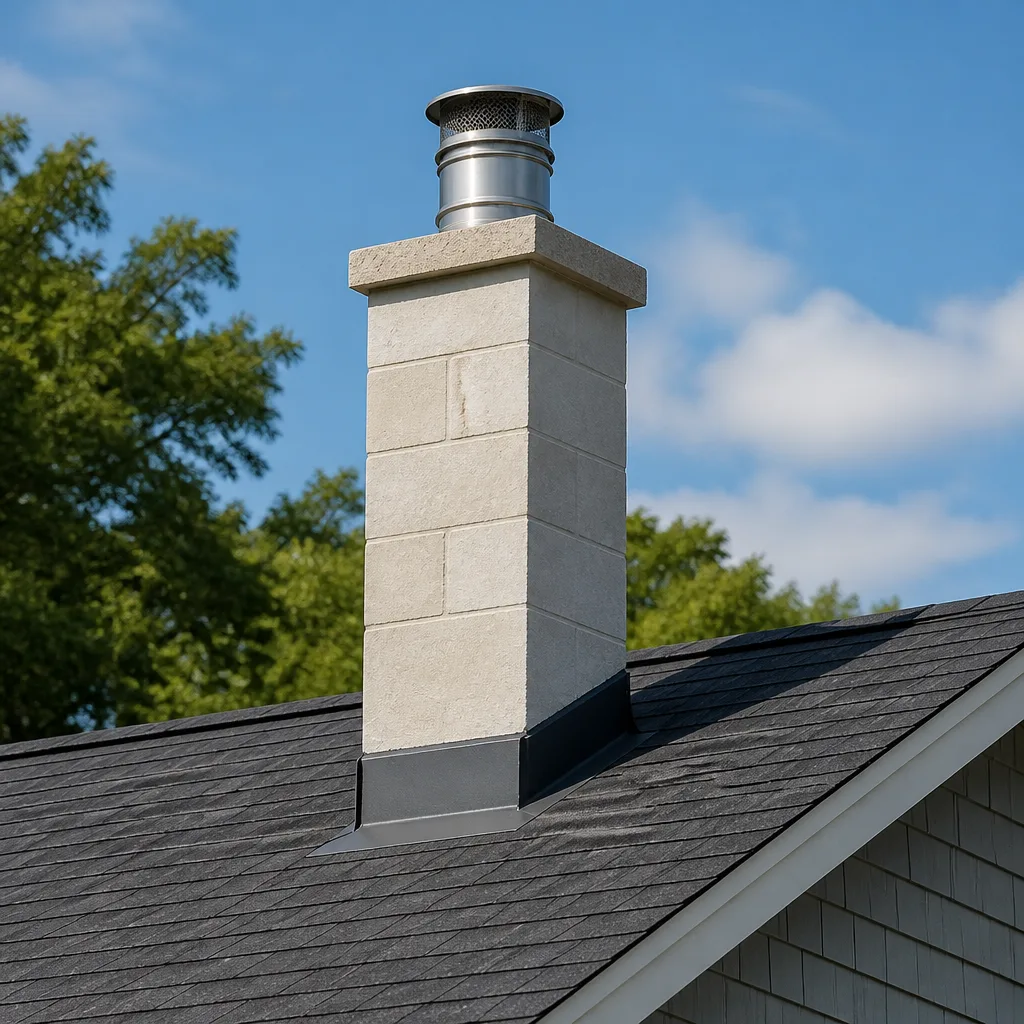 Flue relining
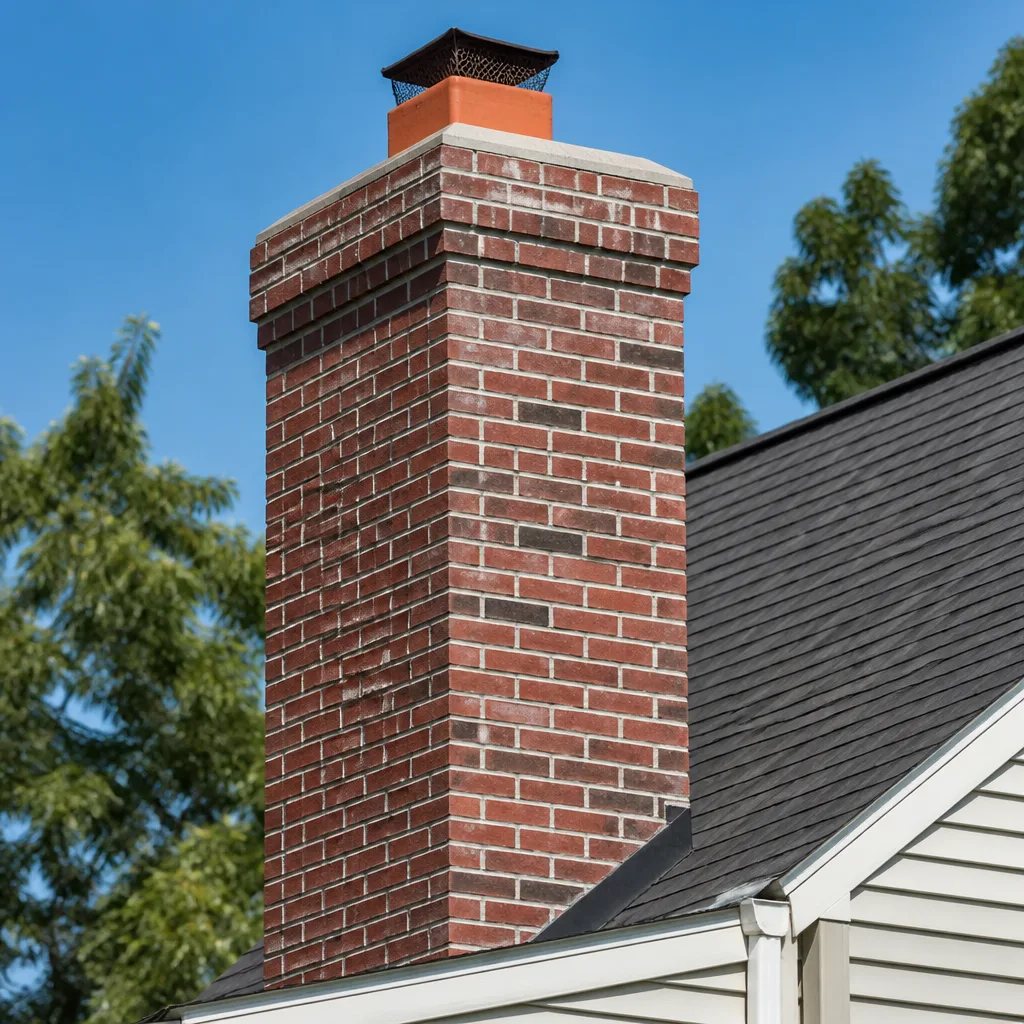 Masonry repair
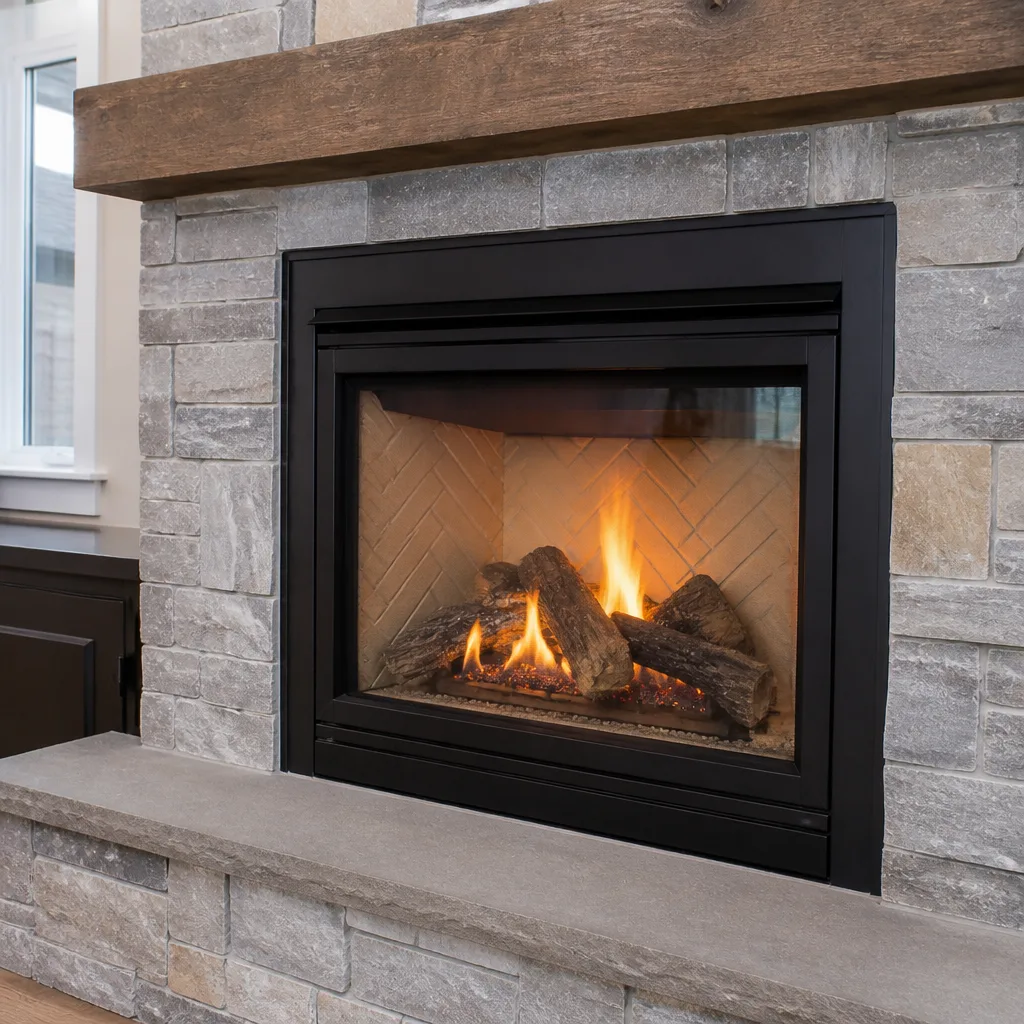 Gas fireplace service
Level 1 sweep and inspection to the NFPA 211 annual standard - flue, crown, cap, and flashing checked and photographed
Chimney sweep logs do not sweep chimneys. They loosen some creosote - which then falls where a brush and vacuum still have to collect it.
Chimney Cleaning Emergency Preparedness Guide for Longmont Homes
A chimney fire doesn’t always sound like a fire. Many homeowners describe it later as a low roar or a rushing wind, and in our experience some people here in Longmont mistake those sounds for a gust coming down the flue until they notice heat radiating from the fireplace surround. That gap between what a chimney emergency actually feels like and what we expect it to feel like is where damage happens. This guide covers what a real chimney emergency looks and sounds like, the four-minute response sequence that keeps a contained incident contained, how carbon monoxide events build up around fireplace use, and how to prepare before the burning season starts. You’ll finish knowing what to do, not just what to fear.
Quick Answer
If you suspect a chimney fire in Longmont, close the damper and glass doors to cut off air, get everyone out of the house, and call 911 from outside. Never pour water down the flue. After any suspected chimney fire or carbon monoxide alarm tied to your fireplace, don’t burn again until a Level 2 inspection with a camera confirms the flue is intact. Most of the outcome depends on what you do in the first four minutes.
Styles & brands we work with
- Sweep & inspection
- Caps & crowns
- Flue relining
- Masonry repair
- Gas fireplace service
Table of Contents
- How Do You Know a Chimney Fire Is Happening?
- The Four-Minute Chimney Fire Response Sequence
- Carbon Monoxide and Your Chimney: What Longmont Homeowners Should Recognize
- Sudden Draft Loss and Backdrafting: Cleaning Issue or Structural Problem?
- After the Fire: Why a Level 2 Inspection Comes First
- How to Prepare Before Burning Season in Longmont
- Where to Place CO Detectors and Why Position Matters
- The Other Vent Fire Hazard in Your Home
How Do You Know a Chimney Fire Is Happening?
A chimney fire is a fire burning inside your flue, and it doesn’t present like a house fire you can see across the room. It presents as sound, smell, and heat. The most common signs are puffy or roaring sounds, a deep rumbling, or rushing wind coming from the fireplace. Some homeowners describe tapping or cracking noises as the flue heats unevenly. Others notice a strong, hot creosote smell or see smoke backing into the room even though the damper is open.
Visible signs from outside are harder to catch but worth knowing. A chimney fire can send dense smoke or sparks from the chimney top, and it can produce a noticeable glow from the flue cap at night. Metal chimney components sometimes show heat discoloration afterward. In our experience, the most underreported sign is heat radiating from the fireplace surround, hearth, or the chimney chase itself. If the wall around your fireplace feels hot to the touch while a fire is burning, stop burning and treat it as a potential chimney fire until someone qualified checks it.
In a Longmont winter, the confusion is understandable. Gusts off the Front Range and pressure changes can produce a genuine draft down a cold flue, which can sound similar. The difference is usually sustained duration and heat. Wind down a flue dies down and doesn’t make the surround hot. A chimney fire builds, stays, and warms the structure. When you can’t tell, err toward the emergency response sequence below. A fire department visit that turns out to be nothing is a far better outcome than a delayed response.
One cause worth understanding is creosote burning. It accumulates from wood smoke, and certain forms ignite at lower temperatures than homeowners expect. If your fireplace has been used through several seasons without a proper chimney sweep, that accumulation is the fuel a chimney fire needs. Regular sweeping removes it before it becomes a problem.
The Four-Minute Chimney Fire Response Sequence
The response to a suspected chimney fire is short, simple, and easy to remember if you’ve thought about it before you need it. These are the four steps we want every homeowner in Longmont to know cold:
- Close the damper and glass doors. Cut off the air supply to the fire. A chimney fire needs oxygen to grow, and restricting airflow slows it inside the flue.
- Call 911. Do this from outside or as you leave. Don’t wait to see whether it’s “really” a fire. Firefighters can check the chimney and roof from outside and confirm whether it’s contained.
- Evacuate everyone. Get out of the house, including pets, and stay out until the fire department clears the structure. Brief everyone on a meeting spot before the season starts.
- Don’t use water. Never pour water down the flue. On a hot flue, water can cause abrupt, dangerous steam expansion and thermal shock to metal or masonry. Some fire departments use controlled methods for very specific cases, but that’s their call, not yours.
What you don’t do matters as much as what you do. Don’t open the damper to “let it vent” – that feeds the fire. Don’t try to reach the roof. Don’t keep burning. Don’t spray a chimney fire from a garden hose. In our experience, homeowners who understand the four-step sequence handle a chimney fire calmly and reach a good outcome more often than those who improvise.
Keep a phone charger and a flashlight near your main exit so an evacuation doesn’t stall. If your fire department offers a non-emergency line for after-the-fact questions, save it in your phone before the season starts. For chimney sweeping, repair, or dryer vent cleaning in Longmont, our number is (855) 360-7080.
Carbon Monoxide and Your Chimney: What Longmont Homeowners Should Recognize
Carbon monoxide is the emergency with no sound and no smell, and your chimney is one of the few places in your home it can enter. When a flue is blocked, cracked, or otherwise compromised, combustion gases that should exit the chimney top can push back into the living space. This is why CO events cluster around fireplace use, and why they cluster in the colder months when a fireplace runs most of the day.
The symptoms to recognize are the ones people dismiss: headache, dizziness, nausea, confusion, and fatigue. A key signal is whether symptoms improve when you leave the house and return when you come back. If more than one person in the household feels the same way at the same time, treat that as a serious clue. Severe exposure can cause loss of consciousness, and CO can build up while people are sleeping.
The mechanisms most relevant to a chimney system include:
- Blockage. Nests, creosote buildup, or debris can block the flue or the cap and force gases back down.
- Cracks and gaps. Damaged flue tiles or failed seams let gases into the wall cavity and then into the home.
- Improper venting. An appliance connected to a flue that’s undersized or wrongly combined with the fireplace can create backpressure.
- Pressure reversals. Tight modern construction and exhaust fans can pull gases the wrong direction. We cover this in the next section.
Longmont winters send outdoor temperatures well below freezing, and the stack effect that pulls warm air up and out of a house changes as you run bathroom fans, kitchen exhaust, and dryers. A compromised flue during a cold snap is the combination to prepare for. Keep a working CO detector on every level of the home and near sleeping areas, and never disable one that alarms. If your CO alarm sounds and you can’t rule out a chimney issue, evacuate and call 911, then schedule a camera inspection before you burn again.
Sudden Draft Loss and Backdrafting: Cleaning Issue or Structural Problem?
Smoke backing into the room is one of the most unsettling issues we hear about in Longmont, and it has several possible causes with very different fixes. The key question is whether the problem is airflow, blockage, or structure. Some causes resolve with a proper sweep. Others mean the flue needs repair or replacement.
The four most common causes we encounter:
- Pressure differentials in a tight home. Modern construction is well sealed, and exhaust equipment in the house can pull air from wherever it can find it, including down the chimney. If you notice smoke only when a bathroom fan or kitchen fan runs, this is a likely cause.
- Blocked flue or cap. Nesting material, debris, or heavy creosote narrows the flue and reduces the draw. A sweep often resolves this.
- Cold flue startup. A cold flue needs a warm-up to establish draft. A pre-warmed flue pulls better, and a proper connective flue can help.
- Structural failure. A damaged tile liner, missing chimney cap, or offset flue can produce persistent poor draft that cleaning won’t fix. Unlined or unpassable flues fall into this category, and this is where professional liners come in.
Diagnosis is the important part. We use camera inspection to see exactly what’s happening above the firebox before recommending anything. If the answer is a cleaning issue, a sweep is all you need. If the answer is structural, a code-appropriate reline with a DuraFlex flexible liner system or a targeted restoration using HeatShield may be the right fix, and the camera evidence tells us which. The point is never to guess from the sound of the problem. It’s to look, then recommend.
If your draft loss is seasonal and only appears on very cold mornings, note when it happens and whether anything else is running in the house. That detail will help any technician diagnose faster. When you’re ready for an inspection in Longmont, we can look at the whole flue and explain what we see.
After the Fire: Why a Level 2 Inspection Comes First
A Level 2 inspection is the comprehensive visual and camera evaluation of your chimney, and it is the first step after any chimney fire or suspected chimney fire. Never light another fire until a Level 2 inspection is complete. Even if the fire seemed small, hidden damage to tiles, seams, or the liner can leave the flue compromised in a way you can’t see from the firebox.
The inspection looks for specific damage patterns:
- Cracked or spalled flue tiles. Heat cycling can crack tiles or open up the joints between them.
- Warped or separated metal liners. Metal liners can buckle or discolour under heat stress.
- Failed seams and gaps at offsets. These allow gases to escape the flue and into the chimney chase.
- Damaged or missing crown and cap. These allow water intrusion, which shortens the life of everything underneath.
- Creosote spread or glaze. A sweeping is needed once damage is assessed.
A camera inspection matters because the most important parts of your chimney are the parts you can’t reach with a flashlight. We include a photo report so you can see what we see. If you have an older home with a flue that may not have been inspected in years, a Level 2 inspection is the right starting point. If your flue is unlined, the inspection will tell you whether restoring it with HeatShield or a full DuraFlex reline is the correct path. Professional-grade components from Olympia Chimney or Gelco are another option in some setups. We name the brands we install, because you deserve to know what’s going into your home.
How to Prepare Before Burning Season in Longmont
The single most effective preparation for chimney emergencies is a sweep and inspection before the weather turns. Here in Longmont, the first cold snap of October or November is when fireplaces get relit, and it’s also when we hear about the problems that built up over the summer. Booking the sweep before that first fire gives you time to schedule a repair if one is needed.
What a solid pre-season plan looks like:
- Schedule a sweep and inspection before your first fire. Even if you burned last year without issue, a camera check costs less than a chimney fire.
- Test every CO detector in the house. Replace batteries if you aren’t sure when they were last changed, and confirm detectors are on each level and near sleeping areas.
- Test every smoke detector. Include one on each floor and one near the fireplace.
- Store contractor contacts in your phone. Include your fire department’s non-emergency line, your chimney company, and your insurance company.
- Check your cap and crown from the ground with binoculars. Look for missing caps, visible cracks, or debris.
- Have dry, seasoned wood on hand. Wet or green wood produces more creosote, which builds up faster in the flue.
- Read your chimney’s language for a week. If you notice new draft issues, smoke backing in, or unusual sounds during the first few fires, stop and schedule an inspection.
Extend the same thinking to your dryer vent. A lint-clogged dryer vent is a leading household fire hazard, and it’s a service most chimney-only companies don’t touch. We do, because the same logic applies: the hidden accumulation is the dangerous part.
Where to Place CO Detectors and Why Position Matters
Carbon monoxide detector placement is one of the easiest things to get right and one of the most commonly overlooked. The manufacturer’s instructions on the packaging are the authority for a specific model, but the general principles are consistent. Here’s what we recommend for Longmont homes with a wood-burning or gas fireplace:
- One detector outside every sleeping area. If bedrooms are on the second floor, put one in the hallway outside the bedrooms.
- One on every level of the home. CO mixes with air, so a basement or multi-level home needs coverage on each floor.
- One in the room with the fireplace, if you use it regularly. This is the earliest warning area for a chimney-related CO event.
- Mount per the manufacturer’s instructions. Some units are rated for wall mounting, some for ceiling, and some for both. Follow the label.
- Avoid dead-air spots and damp areas. Corners, ceilings immediately above a fireplace, and rooms with high humidity can delay detection.
- Test monthly and replace the unit when the label says it’s due. Sensors degrade over time, and an old unit may not respond as designed.
One detail worth knowing: the CO alarm sound is different from the smoke alarm, and family members should know the difference. If a CO alarm sounds, evacuate and call 911 from outside, then do not return until the fire department says it’s safe. In our experience, the homes we visit after a CO alarm have an easy explanation – a blocked flue, a failed gasket, a disconnected vent – about half the time and a structural issue the rest of the time. Either way, the inspection finds it.
The Other Vent Fire Hazard in Your Home
Most of this guide is about the chimney, but your dryer vent deserves equal attention. Lint accumulation in a dryer vent is a leading cause of household fires, and most chimney-only companies don’t offer the service. Dryer fires tend to start behind the machine or in the ductwork where nobody looks, and the warning signs – clothes taking longer to dry, a hot dryer cabinet, a burning smell – are easy to dismiss.
A proper dryer vent cleaning removes the lint from inside the duct run, not just the trap and the short stub behind the machine. If your flexible duct squashes behind the dryer or runs a long distance to the exterior wall, that’s a spot where lint bunches up fastest. We clean it in Longmont as a standalone service and often on the same visit as a chimney sweep. If you can’t remember the last time the vent was cleaned, it’s worth a look before the weather turns.
Common Mistakes to Avoid
- Waiting to smell or see the fire before acting. Chimney fires often announce themselves with sound and heat long before smoke. Train yourself to respond to the sounds and the hot surround, not just visible flames.
- Pouring water down the flue. Water on a hot chimney can cause rapid steam expansion and structural shock. Close the damper, evacuate, and call 911. That’s the whole response.
- Relighting a fire the day after a “small” chimney fire. A fire that seemed contained can still have cracked tiles or opened seams you can’t see. A Level 2 camera inspection before the next fire is the standard.
- Burning unseasoned or wet wood in a Longmont winter. Wet wood produces more creosote per load, and heavy use in cold weather is exactly when creosote accumulation becomes a safety concern.
- Disabling the CO detector because it “kept going off.” A CO alarm that sounds when the fireplace is on is telling you something. Evacuate, call 911, and schedule an inspection. Don’t silence the warning.
- Assuming a tight modern home is safer. A well-sealed home can have more pressure-related drafting issues than an old, drafty one, because exhaust fans can pull air back down the flue. Check the cause, not the assumption.
- Cleaning the chimney but skipping the dryer vent. Both are vent fire risks, both hide their accumulation, and both need periodic removal. Most homeowners schedule one and forget the other.
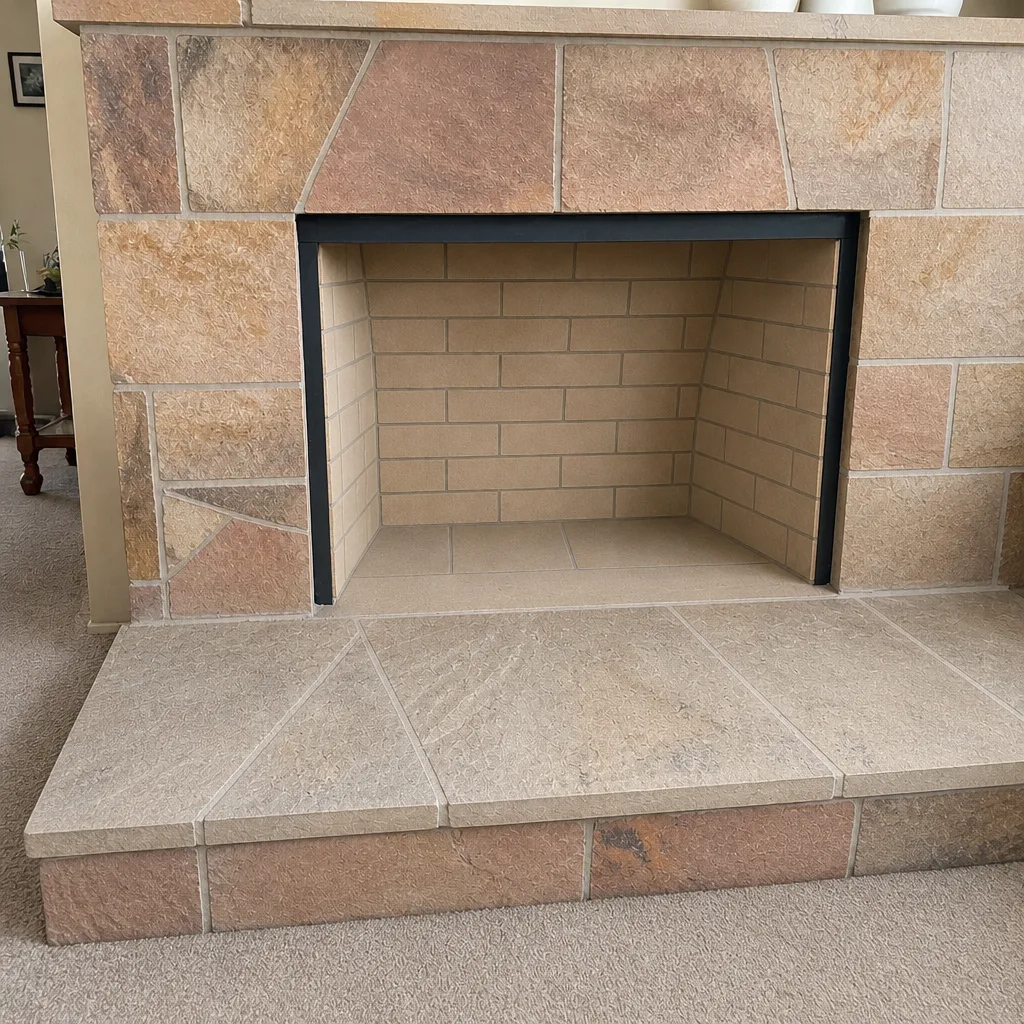
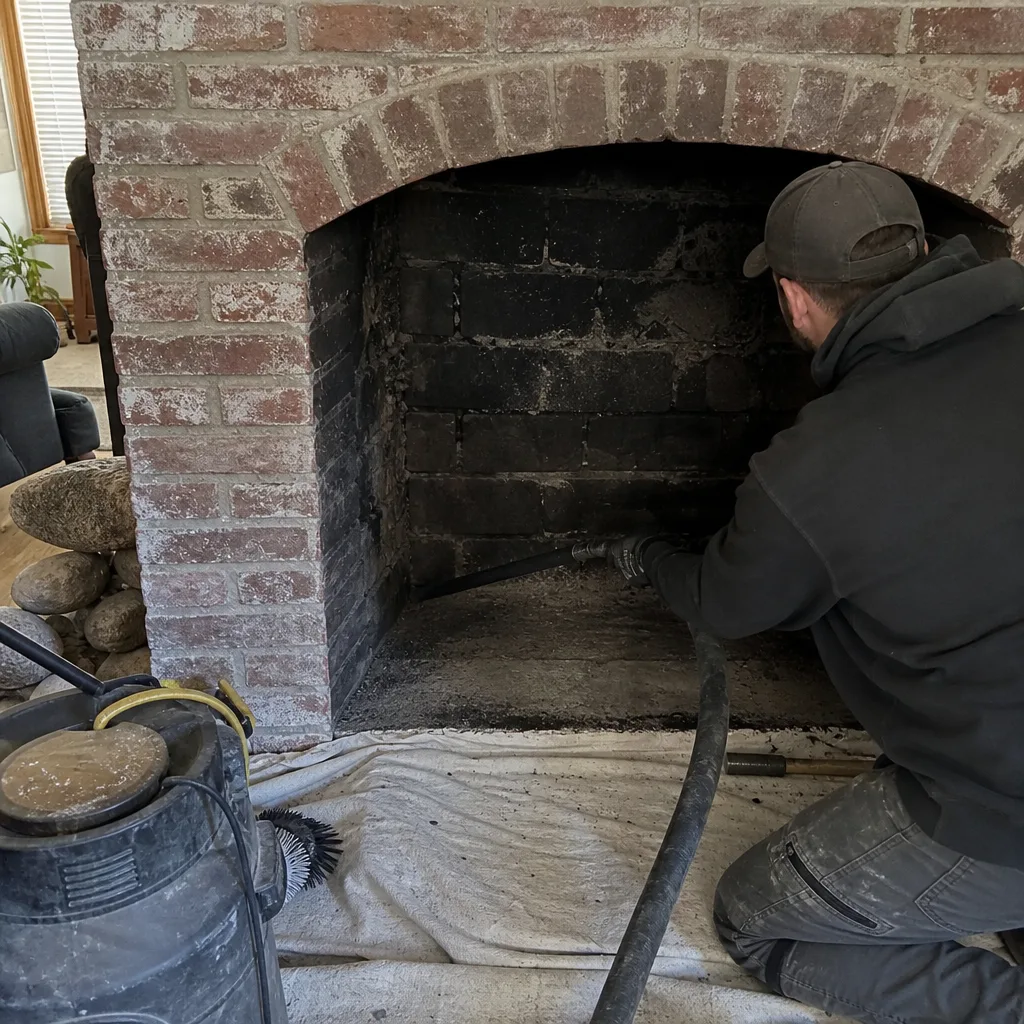
See the difference
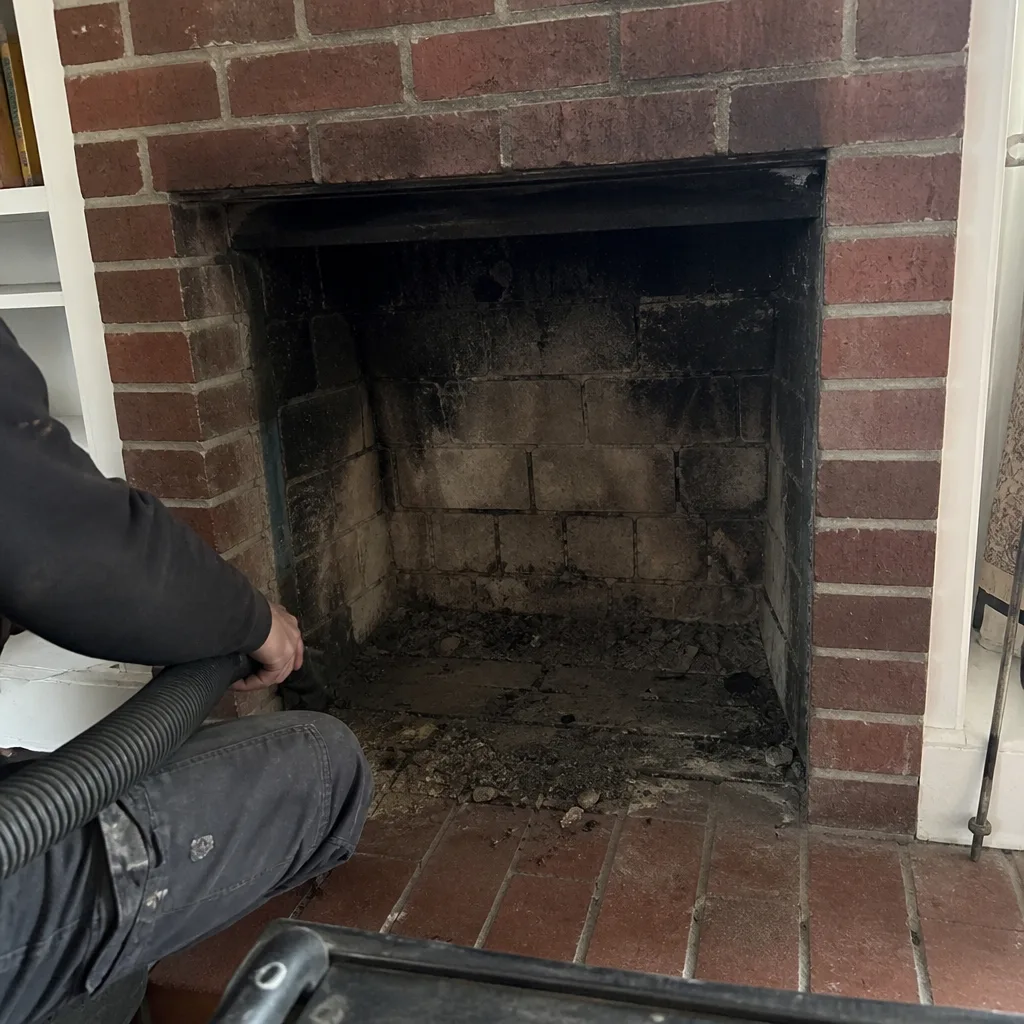 Before
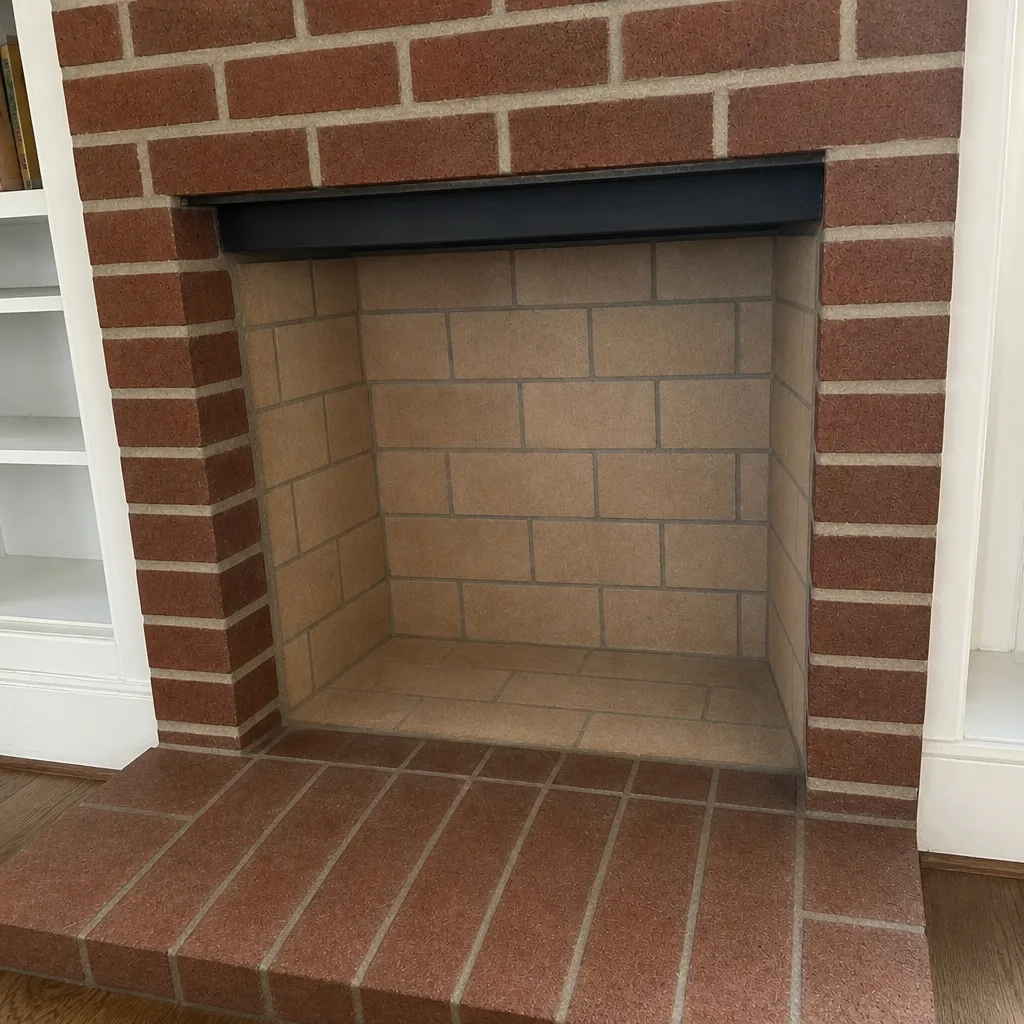 After
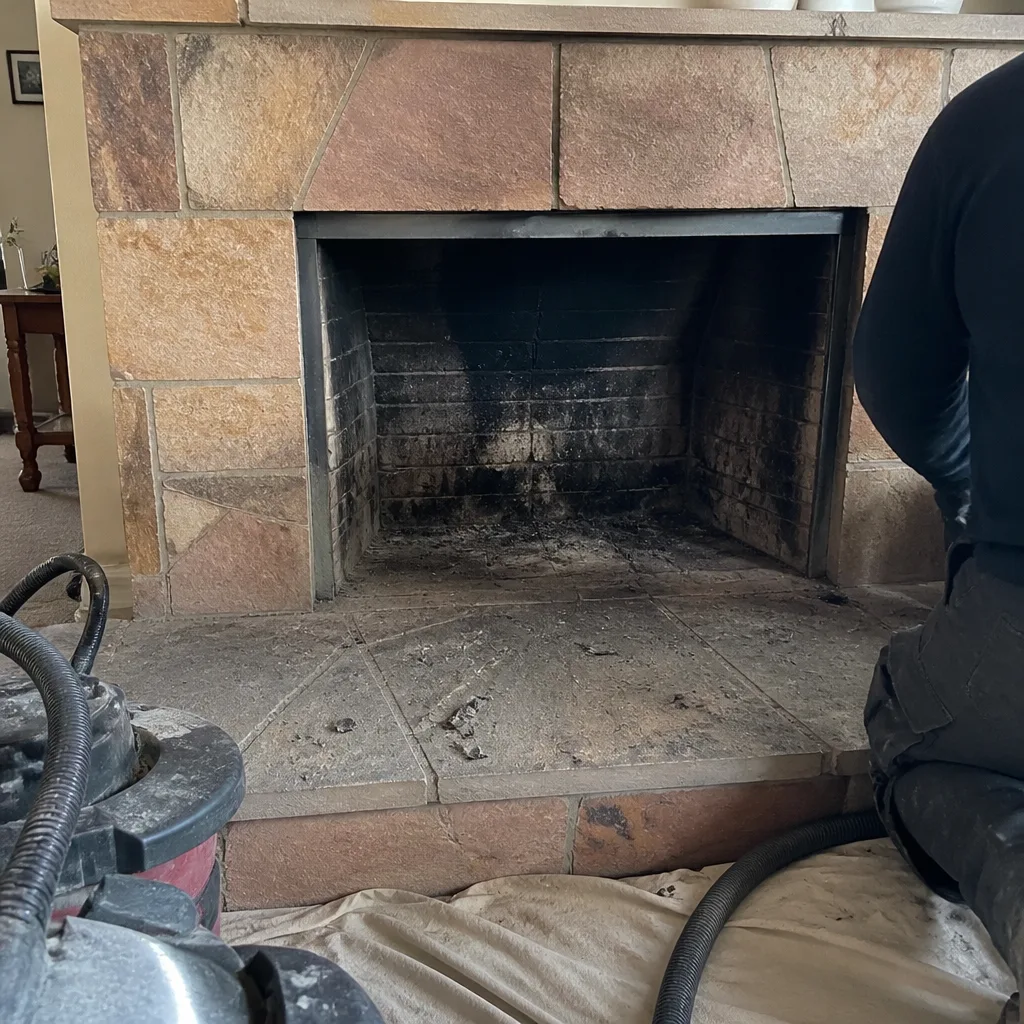 Before
 After
 Before
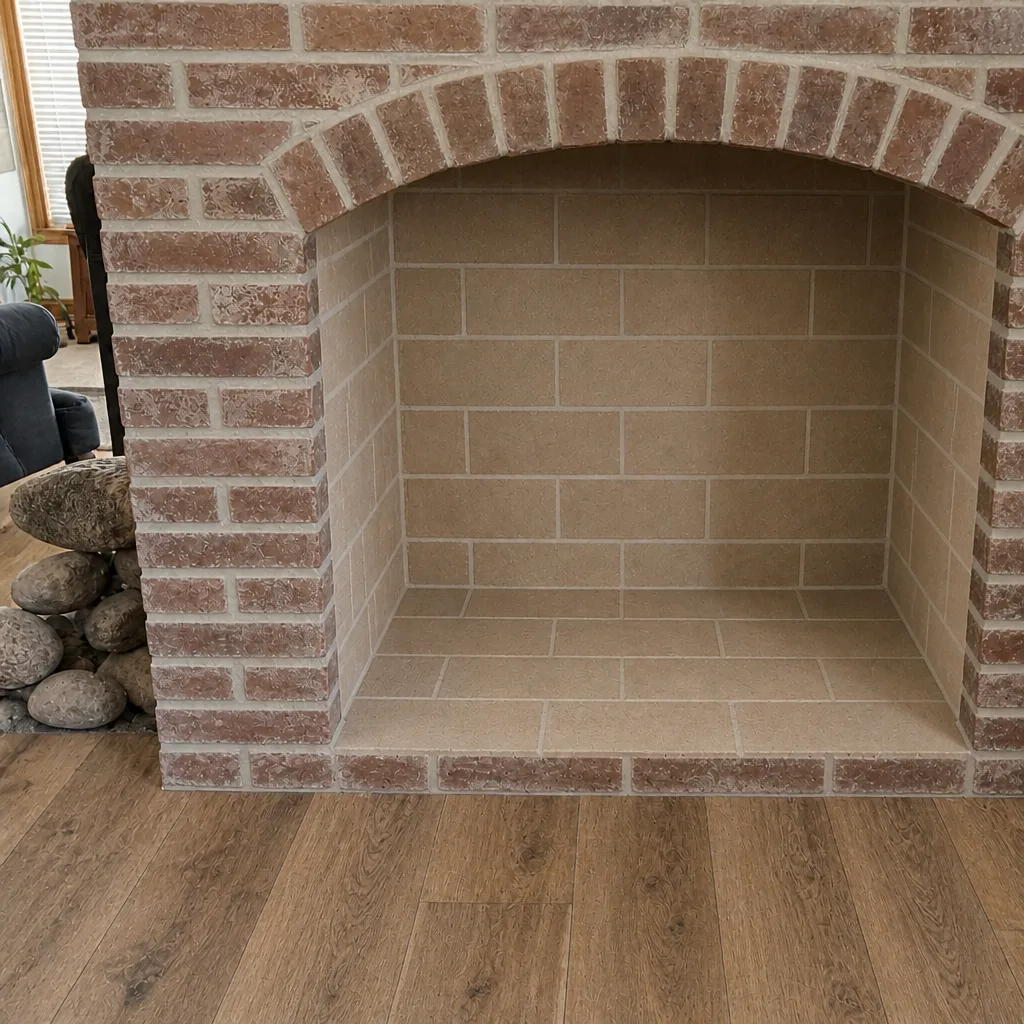 After
When to Call a Professional
Some chimney problems are obvious and some aren’t. Call a professional whenever you have a suspected chimney fire, any smoke backing into the room that doesn’t resolve with a warmed flue, a CO detector that has sounded near the fireplace, or a visible crack in the flue visible from the firebox. Call when you’ve moved into an older Longmont home and don’t have records of the last inspection. Call when the fireplace runs fine but smells off, or when the surround gets noticeably hot during a normal burn. Call after winter when the cap or crown looks damaged from the ground. And call before the first fire of the season, because a sweep and camera inspection is cheaper than an emergency. Chimney Sweep Longmont offers free estimates in Longmont, and our technicians have up to 9 years of experience – call (855) 360-7080. We answer 24/7, with fast dispatch from 7am to 7pm, Sunday through Friday.
Frequently Asked Questions
Close the damper and any glass doors, call 911 from outside, evacuate everyone including pets, and do not pour water down the flue. The four-step sequence is what a contained chimney fire needs, and the fire department can check the flue from outside. Call (855) 360-7080 for a post-incident inspection – estimates are free.
A small chimney fire can burn out on its own if you cut off the air by closing the damper, but the flue may be damaged even when nothing is visible from the firebox. Do not light another fire until a Level 2 inspection with a camera is complete. Call (855) 360-7080 to schedule the inspection – estimates are free.
CO from a chimney usually traces back to a blocked, cracked, or improperly vented flue, and it happens most often during the colder months when a fireplace runs continuously. Symptoms include headache, dizziness, and nausea, and a key sign is feeling better when you leave the house. Call (855) 360-7080 if a CO detector has sounded near your fireplace – estimates are free.
A cold flue has no upward draft yet, and a tight modern home or a running exhaust fan can push air down the chimney. A sweep can rule out a blockage, and a camera inspection will tell you whether the cause is a cleaning issue or a structural one. Call (855) 360-7080 for an inspection – estimates are free.
Once a year for most homes that burn regularly, and more often with heavy winter use. Skipping it lets creosote accumulate, which is the fuel source that turns a chimney fire into a serious problem. Call (855) 360-7080 to book a sweep – estimates are free.
Your fire department’s non-emergency line is the right number for questions after a chimney fire is out, and for the paperwork your insurance company may ask for. Never use it in place of 911 during a live chimney fire or a CO alarm. After the fact, call (855) 360-7080 with the fire department’s report number and we can schedule the camera inspection – estimates are free.
The Bottom Line
The difference between a contained chimney incident and a structural loss is almost always timing and preparation. Know the sounds and heat signs of a chimney fire, commit the four-step sequence to memory, and treat a smoke-back or a CO alarm near the fireplace as a reason to evacuate first and inspect second. Place CO detectors outside sleeping areas and in the fireplace room. Schedule a sweep and camera inspection before the Longmont burning season starts, not after. Clean the dryer vent on the same calendar. If you want to see what we see in Longmont before you light the first fire of the year, we can look. Read more about the full range of services on our Chimney Sweep Longmont page, then call (855) 360-7080 to book. We answer 24/7, with fast dispatch from 7am to 7pm, Sunday through Friday. Estimates are free, and nothing is recommended without camera evidence you can see for yourself.
Written by the team at Chimney Sweep Longmont.