
Last updated November 15, 2026
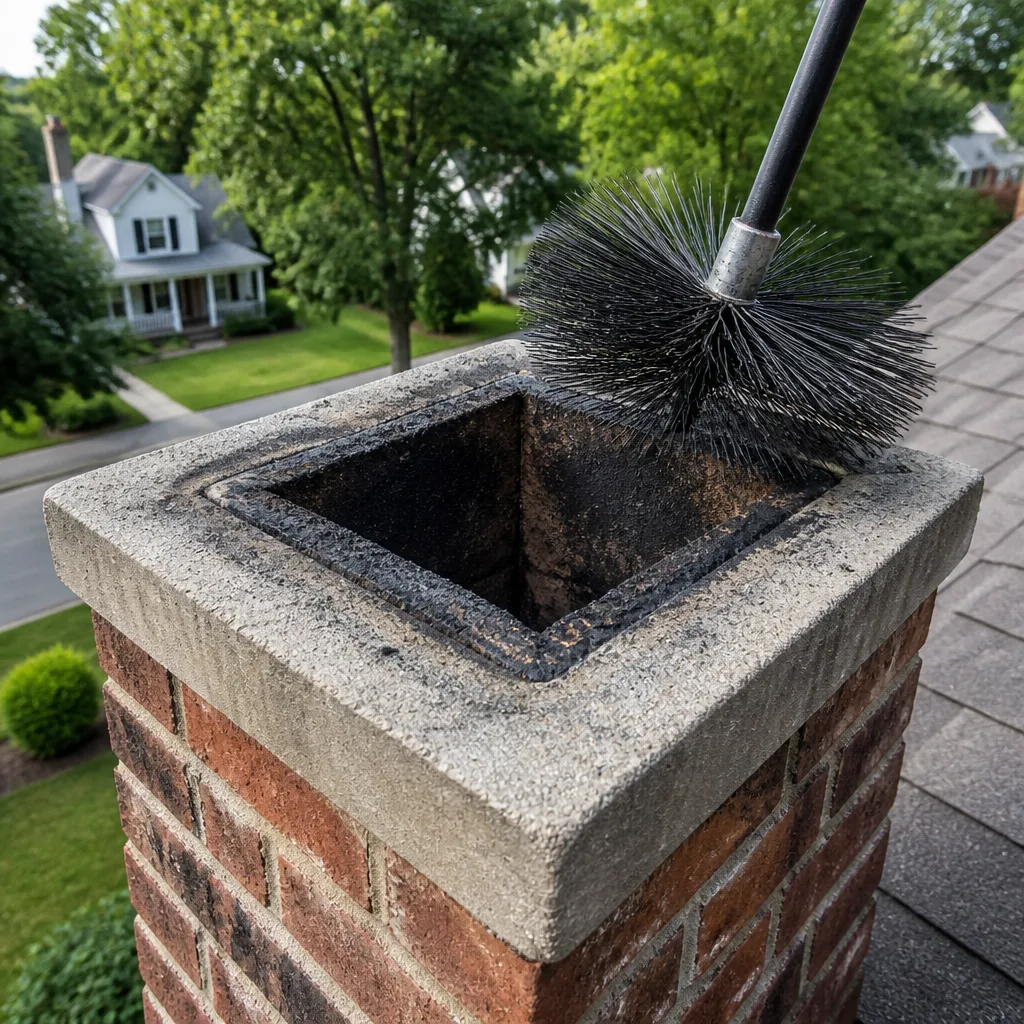 Sweep & inspection
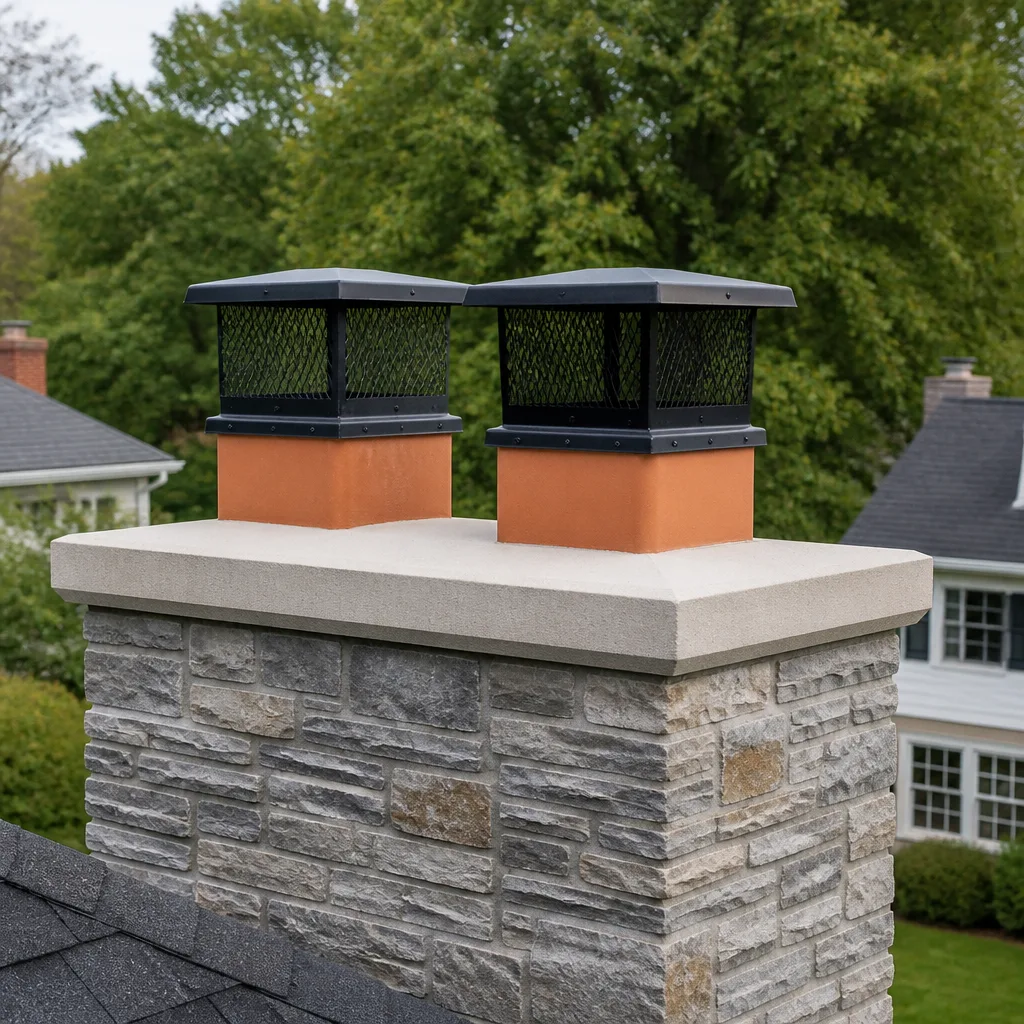 Caps & crowns
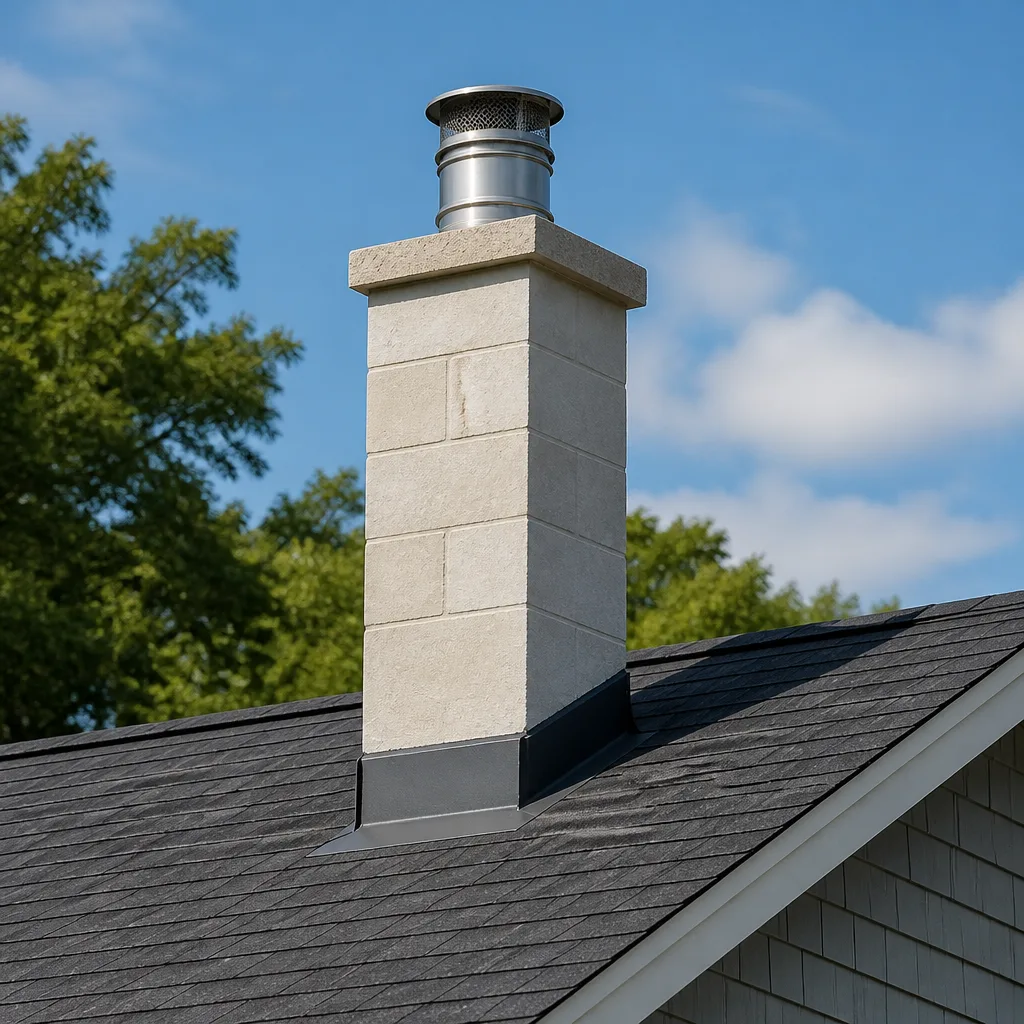 Flue relining
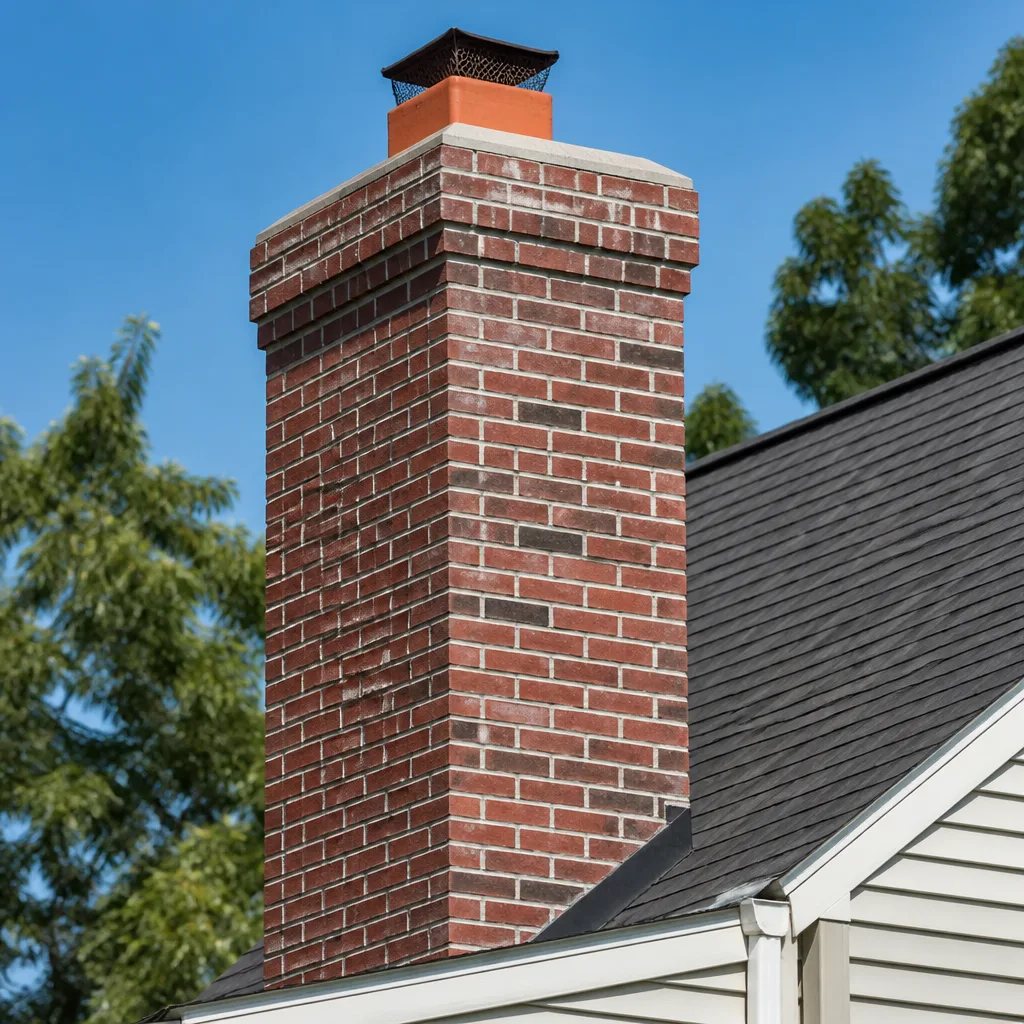 Masonry repair
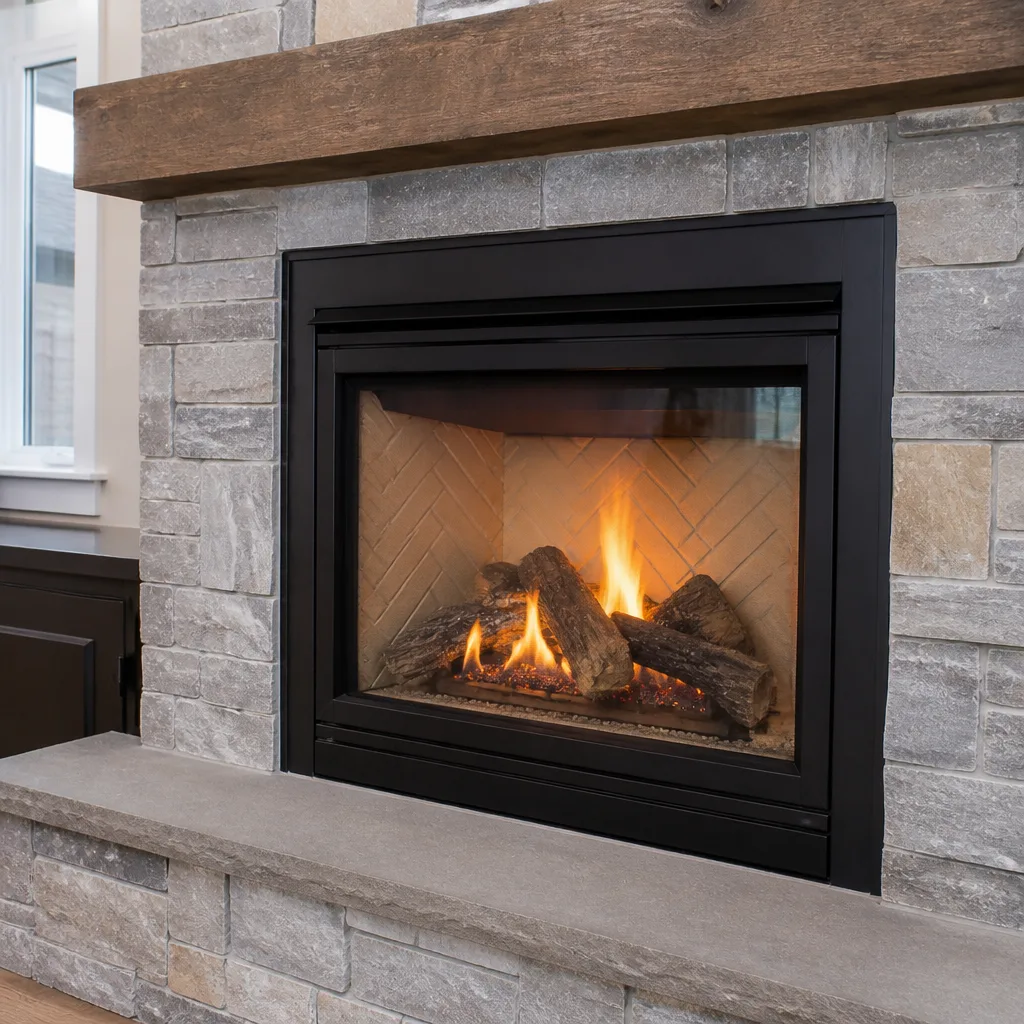 Gas fireplace service
Level 1 sweep and inspection to the NFPA 211 annual standard - flue, crown, cap, and flashing checked and photographed
Chimney sweep logs do not sweep chimneys. They loosen some creosote - which then falls where a brush and vacuum still have to collect it.
Chimney Cleaning Permits, Codes & Inspections in Longmont, CO: What You Need to Know
Most homeowners assume chimney cleaning is a permit-free service, and routine sweeping is. The moment repair or liner work begins, though, the picture changes, and it changes in ways that unqualified contractors routinely skip. A stainless steel liner installed without the right approval in Longmont isn’t just a paperwork problem. It’s the kind of thing that surfaces during home sale title review, and it can compromise your homeowner’s insurance position on a chimney-related loss. We’ve watched plenty of buyers discover unpermitted flue work after they were already under contract. This guide walks through exactly which chimney services trigger a permit under the adopted building code, how City of Longmont and Boulder County jurisdiction differ by address, what inspectors check at each stage, and how to verify past work on a home you’re buying or selling.
Quick Answer
In Longmont, routine chimney cleaning does not require a permit, but chimney repair, liner replacement, and any structural change to the flue system typically do, because they fall under the mechanical and masonry provisions of the adopted building code. Which rules apply depends on whether your address sits inside Longmont city limits or in unincorporated Boulder County, and both jurisdictions reference NFPA 211 as the installation standard. Verifying requirements before work starts protects your resale and your insurance claim.
Styles & brands we work with
- Sweep & inspection
- Caps & crowns
- Flue relining
- Masonry repair
- Gas fireplace service
Table of Contents
- Which chimney services trigger a permit in Longmont?
- City of Longmont vs. Boulder County: which rules apply to your address?
- What NFPA 211 requires and how Longmont inspectors use it
- The inspection stages for permitted chimney work
- How to verify past chimney work on a home you’re buying or selling
- What to do if you find unpermitted chimney work
- Why materials matter for code compliance
- Common mistakes to avoid
Which chimney services trigger a permit in Longmont?
Routine cleaning is not a permitting event. Sweeping a flue, removing creosote, and running a camera inspection are maintenance, and no building department expects a permit for maintenance. The line falls where the work becomes a modification.
The services that typically require a permit include:
- Liner replacement or relining. A new stainless liner changes the venting system, and inspectors want to see the installation spec before the flue is closed up.
- Structural repair to the chimney chase or crown. Rebuilding the crown, repairing a cracked chase, or repointing in a way that affects the structure often pulls in a permit.
- Firebox repair. Rebuilding a firebox with new masonry or installing a cast refractory panel is a structural change.
- Chase cover or top-mounted damper installation. Anything that alters the termination of the flue system is usually reviewed.
- Converting a venting system, such as changing an appliance or adding a flue connection.
Not typically permitting events: a normal sweep, cap replacement with a like-for-like model, and routine cap repair. Cap work varies, so confirm with the building department. Longmont’s building department adopts the International Residential Code with local amendments, along with the mechanical code. The mechanical code covers venting, which is why a liner installation usually lands on a permit reviewer’s desk.
We name the materials going into a flue, and that matters here. A permit application expects a specific product: a DuraFlex flexible liner system, or a HeatShield resurfacing spec, not a generic “we’ll install a liner” line. When the permit describes a named product with manufacturer installation instructions attached, the inspection is clean. When it doesn’t, the job stalls at final inspection and sometimes at resale years later.
City of Longmont vs. Boulder County: which rules apply to your address?
Longmont straddles two jurisdictions, and where your address sits determines who issues the chimney permit and who inspects the work.
Properties inside the City of Longmont limits fall under the city’s building department, which adopts the IRC with local amendments. Properties in unincorporated Boulder County fall under Boulder County’s own permitting process. In both cases the mechanical code and NFPA 211 shape what gets approved for venting and chimney systems.
Here’s the practical issue: Longmont has grown outward for decades, and neighborhoods near the edges of town sit in a mix of incorporated and unincorporated parcels. If you’re in a newer subdivision on the city’s southern or eastern edge, you may be inside city limits even when you mentally think of yourself as “out in the county.” A property north and east of town near the plains can just as easily be unincorporated. The address is not always obvious from the map.
How to verify in three steps:
- Check your property record. The county assessor’s parcel search shows your legal description and jurisdiction. It’s the fastest way to sort city from county.
- Call the building department. Tell them the address and the work. Ask two questions: does this specific service require a permit, and which code edition applies. Write the answers down.
- Ask the contractor for the permit number. Before the first cut or removal happens, you should have a permit number and the inspector’s name on the record. If a contractor shrugs when you ask, you have your answer about how the rest of the job will go.
If you’re unsure which Longmont neighborhood you’re in, our team at Longmont can point you toward the right department. We don’t issue permits, but we know the process and we prepare the paperwork honestly.
What NFPA 211 requires and how Longmont inspectors use it
NFPA 211 is the national standard for chimneys, fireplaces, vents, and solid fuel appliances. It isn’t a local ordinance. It’s the reference standard that local codes lean on when a chimney system is installed, altered, or repaired. Longmont and Boulder County inspectors use it the same way.
What inspectors are looking for under NFPA 211:
- Clearances to combustibles. A chimney must keep its required distance from framing, sheathing, and insulation. When a flue is being relined, the insulation around an existing chase, and the clearance around that chase, get checked.
- Proper flue sizing. A new liner must match the appliance. Oversizing a flue for a small firebox defeats the draft; undersizing chokes the appliance.
- Correct termination height. The chimney must extend the required distance above the roof surface and above anything within the specified radius. A top-mounted cap or chase cover is checked for this.
- Approved materials and installation instructions. The liner must be a listed product installed per its manufacturer’s instructions. That’s where named brands matter. DuraFlex flexible liners and HeatShield resurfacing systems ship with installation specs the inspector can review.
- Intentional closure of unused flues. An abandoned flue must be properly sealed so it doesn’t become a route for carbon monoxide to enter the home.
In our experience, the inspection failures we hear about come from one thing: a contractor who installed a generic liner with no listed instructions attached to the permit. The inspector can’t approve what can’t be substantiated. An approved liner should have a listing mark and the manufacturer’s paperwork with the permit file.
One more point about safety here. Chimney repair involving structural work, and liner work on a compromised flue, is not something a homeowner should attempt as part of the fix. Get a trained professional. A stainless liner is heavy, the work is often at height, and the failure mode is a flue fire or a carbon monoxide problem you can’t see.
The inspection stages for permitted chimney work
Permitted chimney work isn’t a single visit. It’s typically inspected at multiple points, so inspectors can see what gets covered up.
- Pre-inspection or documentation review. The permit application includes the scope of work, drawings or manufacturer specs, and the product you intend to install. Confirm which inspector will sign off, and confirm the listed installation instructions are on file.
- Rough-in inspection. Before the flue is closed, the inspector checks the chase interior, clearances to combustibles, liner sizing, and the connection at the appliance. Any damaged flue tile or cracked masonry should be visible and noted. A camera inspection helps your contractor and the inspector see the same thing.
- Insulation and closure. If the flue requires insulation around the new liner, that goes in and gets verified before the chimney is covered.
- Final inspection. After work is complete, the inspector checks the termination, caps, the top of the chase, and that nothing is left open that should be sealed. The liner should be visibly in place with no shortcuts at the top.
- Documentation and record. The signed permit and inspection records go into the property’s file with the building department. Keep a copy with your home records.
Permits issued by the City of Longmont and by Boulder County follow their own process, but the stages are recognizably similar. What differs is the paperwork and the scheduling. A chimney sweep and camera inspection before and after the repair gives you the evidence you can hand over to either office.
How to verify past chimney work on a home you’re buying or selling
This is where unpermitted chimney work and real estate interlock. During a sale, a title review and lender file are asked to be “as-built” and permitted. A liner that was installed without a permit doesn’t automatically kill a deal, but it does become an unresolved contingency that the buyer can push on.
Numbered steps for a real estate file:
- Request the permit history. Ask the real estate agent to pull the property’s permit records from the City of Longmont or Boulder County, depending on the parcel. A missing permit for a documented liner installation is a red flag.
- Get a chimney inspection from a qualified sweep. A camera inspection confirms what’s actually in the flue today, regardless of what the paperwork claims.
- Compare the work to the permit. If a permit exists but the liner installed doesn’t match the permitted product or scope, that’s a discrepancy the inspector will need to resolve.
- Get it in writing. For a seller, a clean inspection letter and permit record means the chimney section of the disclosure is closed out. For a buyer, a discrepancy is leverage to negotiate the repair cost into the sale.
If you’re selling a Longmont home and the chimney section is flagged, a documented sweep-and-camera inspection and a permit record are what clear it. If you’re buying, this is one of the easiest items to check before the inspection contingency expires.
What to do if you find unpermitted chimney work
Unpermitted work is common, and in most cases it’s fixable. The path depends on how much was actually done.
- Start with a camera inspection. You need to know what’s in the flue, how it’s connected, and whether clearances were respected. Don’t let anyone tell you “it’s fine” without seeing it.
- Ask the building department what a retroactive review requires. Sometimes the office will inspect and approve existing work; sometimes they want the work brought up to the current standard. Ask, in writing, what they need to see.
- Get a written repair estimate before you authorize work. Unpermitted liner installations often trace back to a mismatched liner or skipped insulation. HeatShield resurfacing can fix some of those cases without the full reline. DuraFlex relining is the path when the flue is compromised beyond resurfacing.
- Document the resolution. Keep the new permit, inspection record, and photographs with your home file. That’s the evidence a future buyer will want.
In our experience, the most common unpermitted installs are liners in older Longmont properties where the flue was in rough shape. Original clay tiles from the mid-twentieth century have had decades of heat cycles, and the tile cracks are the reason a liner was needed in the first place. If nobody checked the clearances or documented the product, the fix is a proper, permitted reline, not another patch.
Why materials matter for code compliance
An inspector isn’t approving “a chimney repair.” They’re approving a specific, listed product installed per manufacturer instructions. That’s the reason we name the brands.
When a permit application lists Copperfield or Olympia Chimney components, or a HeatShield resurfacing system, the inspector can pull the listing and confirm that the materials meet the standard. A generic liner with no listing can fail inspection even if it happens to fit. We name the brands we install because you deserve to know what’s going into your home. Gelco chimney products, and HeatShield, and the DuraFlex system, all come with documented installation instructions you can hand to the building department.
This is also why repair and cleaning under one service makes sense. If a camera inspection during a dryer vent cleaning visit turns up a problem in the chimney, or a routine sweep reveals a cracked tile before it goes to the inspector, you have the evidence in your hand and the repair under the same roof. Nothing is recommended without camera evidence you can see for yourself. And some issues can safely wait until the next season, which we’ll tell you plainly when we see it.
Dryer vent cleaning itself is worth a note. Lint accumulation is a leading household fire hazard, and many chimney-only companies don’t touch it. It’s one of our three core services, and the same diagnostic standard applies to it.
Common Mistakes to Avoid
- Assuming all chimney work is permit-free. Cleaning is, but liner installation and structural repair aren’t. Confirm with the City of Longmont or Boulder County before the work begins, not after.
- Trusting a contractor’s reassurance without a permit number. If the contractor can’t show you the permit, the work is unpermitted. That’s a problem at inspection and a bigger one at resale.
- Skipping the camera inspection. A liner installed without camera evidence is a guess. Inspectors want to see the flue, and so should you.
- Letting an unlisted product get installed. A liner with no manufacturer listing may fail inspection. Ask what product is going in and confirm it matches the permit.
- Ignoring a flagged chimney section on a home inspection. A flag either closes out before the contingency period or follows the house to the next buyer. Handle it now.
- Assuming the city and the county work the same way. Neighboring properties in Longmont can fall under different departments. Confirm the jurisdiction tied to the parcel.
- Waiting on a flue repair that has real safety consequences. A cracked flue tile or a compromised liner is a fire and carbon monoxide concern. Get it inspected by a trained professional.
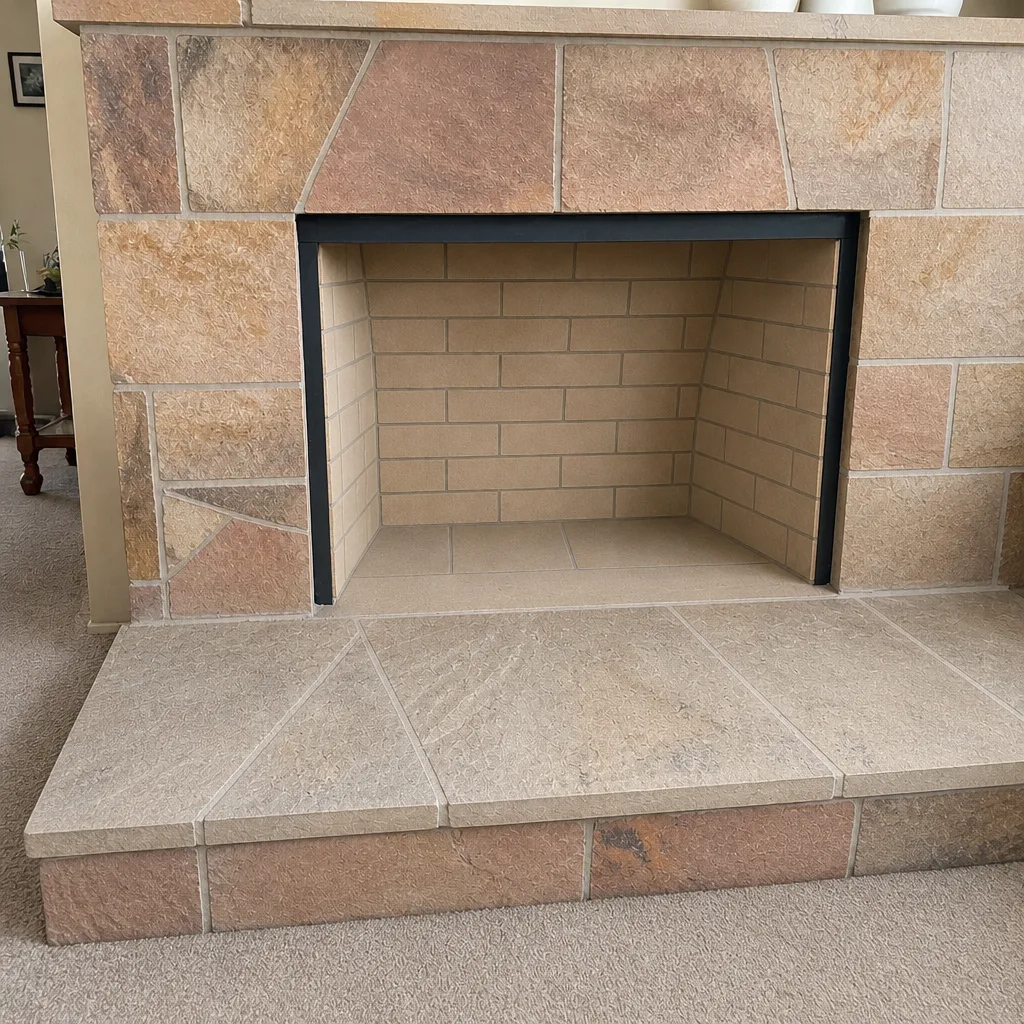
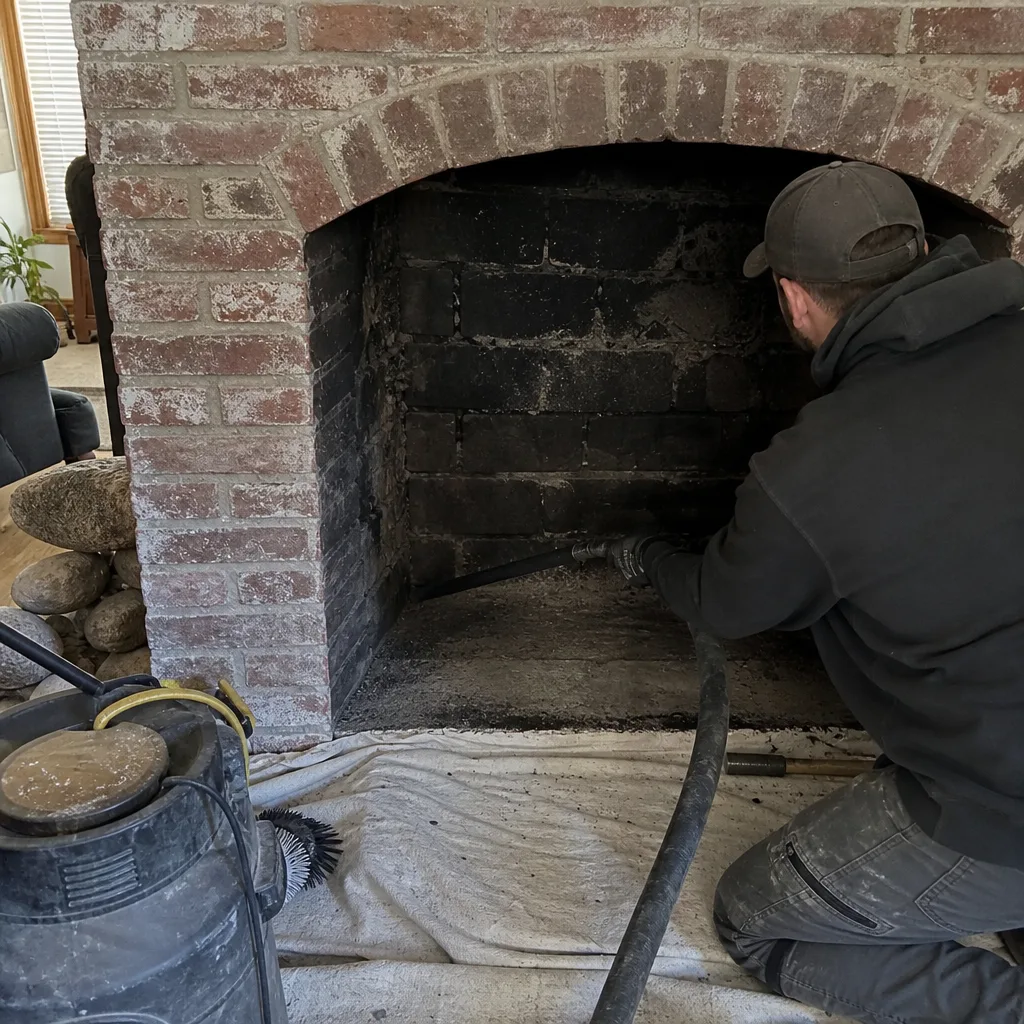
See the difference
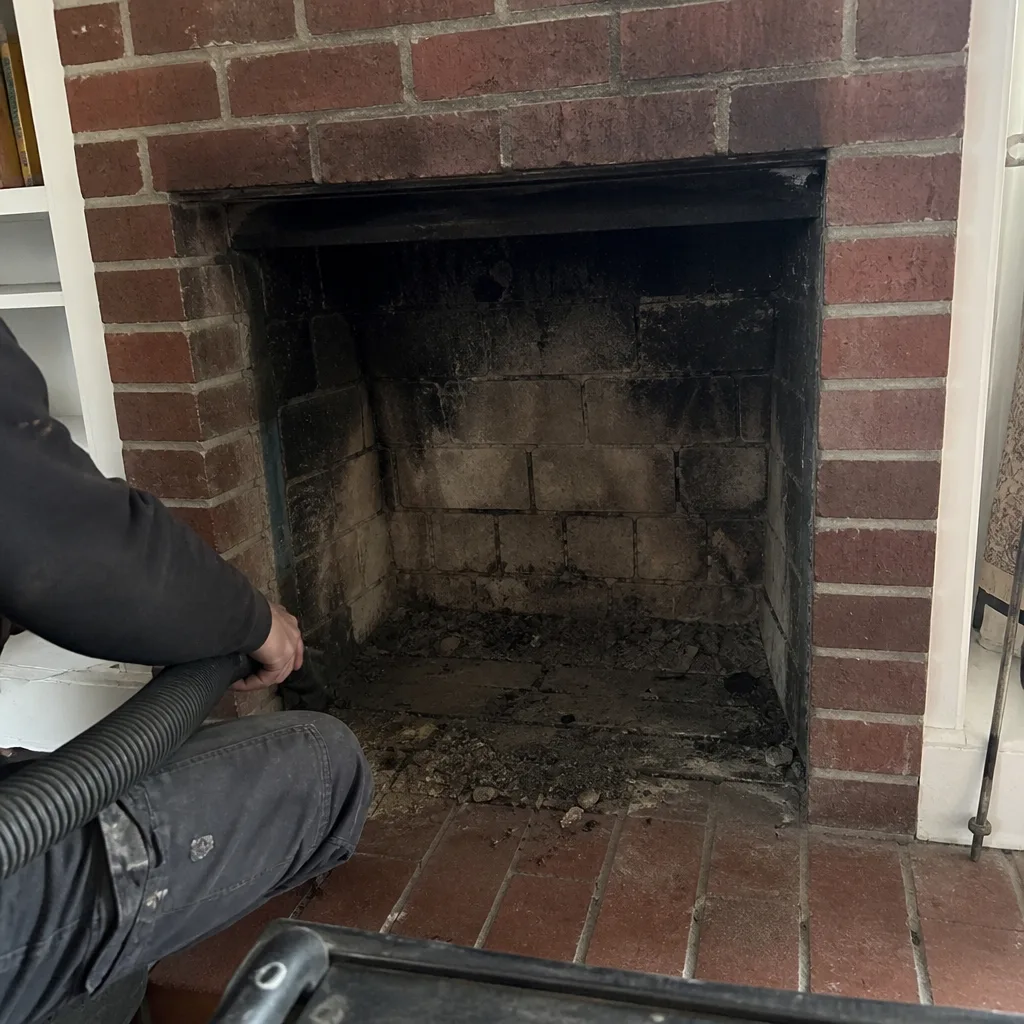 Before
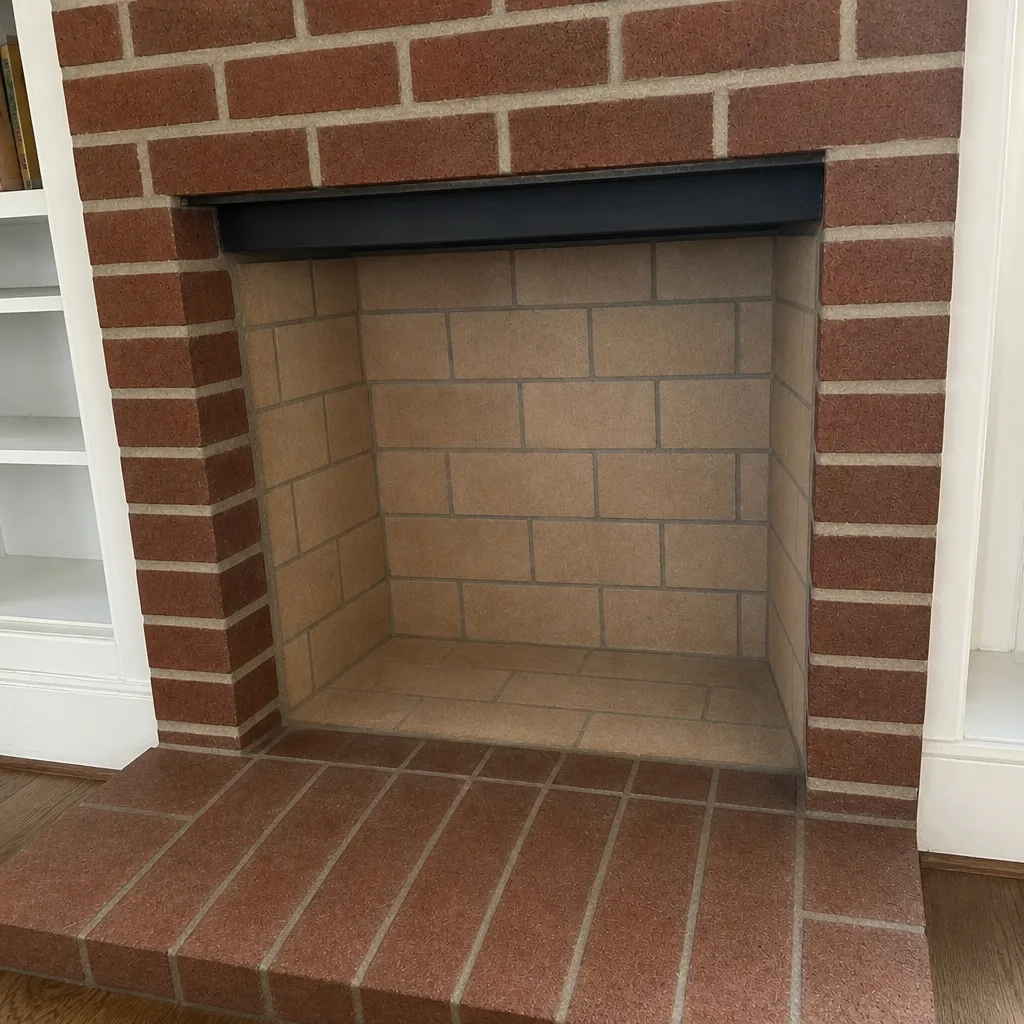 After
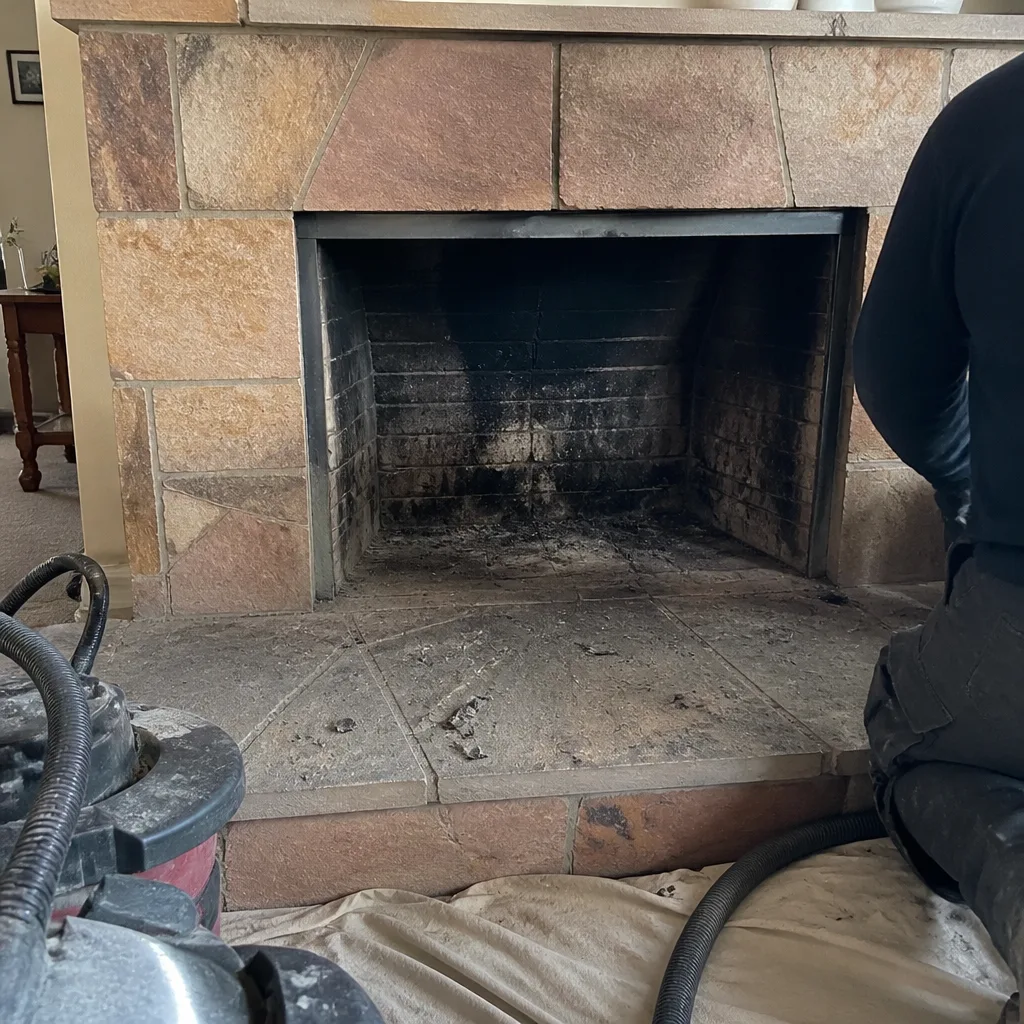 Before
 After
 Before
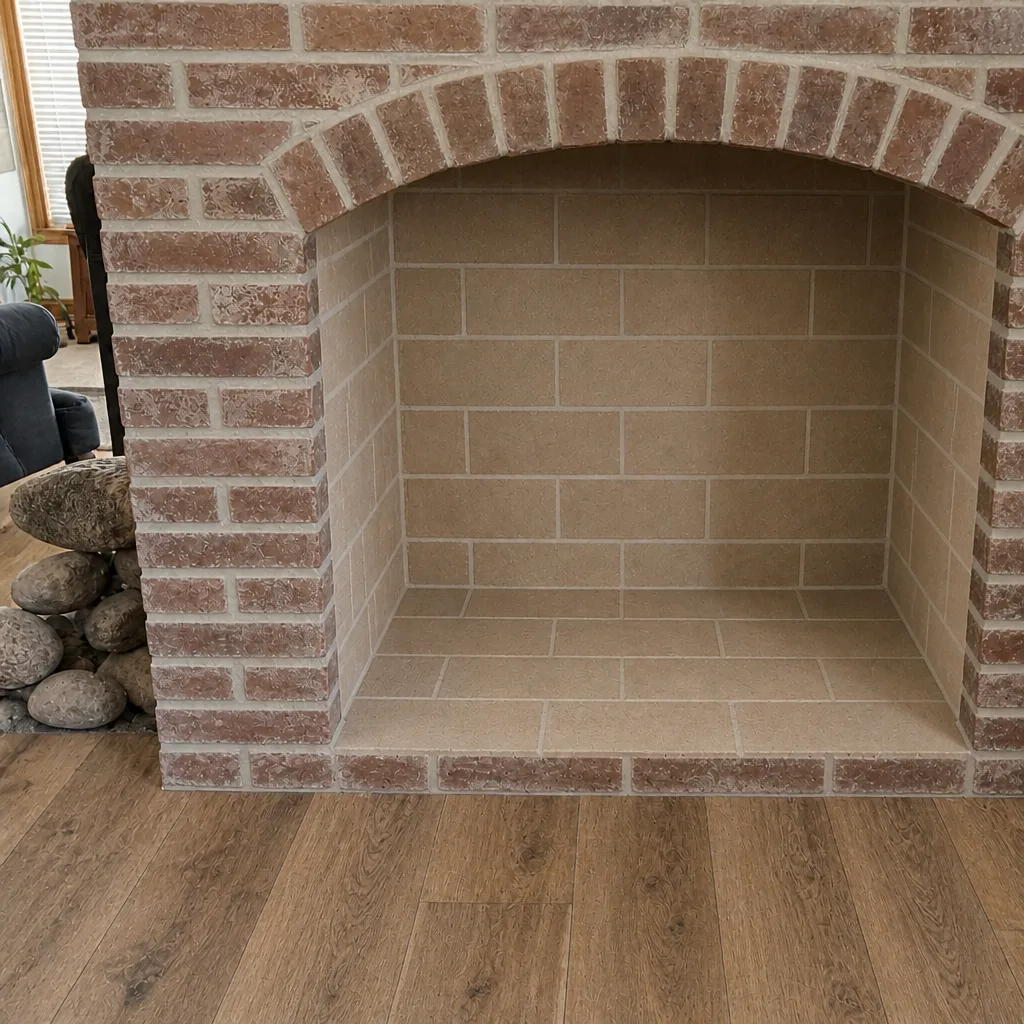 After
When to Call a Professional
Call a professional when the work involves a flue liner, structural masonry, a cracked firebox, or a chimney that’s been flagged in a home inspection. Those aren’t weekend projects: they’re the exact repairs that need a permit, a listed product, and an inspector’s sign-off. Call when you’re selling or buying a home and the chimney record is unclear, and call when a flue has been dormant for years and you have no record of when it was last swept. Call if you’re unsure whether you’re inside the City of Longmont or in Boulder County, since the jurisdiction decides the process. Our technicians have up to 9 years of experience working with the flue systems common in Longmont homes. Chimney Sweep Longmont offers free estimates in Longmont. Call (855) 360-7080.
Frequently Asked Questions
No. Routine chimney cleaning and inspection don’t require a permit in Longmont. Permits typically come into play for repair, liner replacement, structural changes, and any alteration to the venting system. If you’re unsure which category your work falls into, call us for a free estimate: (855) 360-7080.
Yes, a liner installation usually requires a permit, because it changes the venting system under the mechanical code and is reviewed against NFPA 211. The application should list the specific product, such as a DuraFlex liner system, and include the manufacturer’s installation instructions. If your contractor doesn’t bring up the permit, ask about it before the work starts. Call us for guidance, free estimates.
It depends on your address. Properties inside City of Longmont limits go through the city building department. Properties in unincorporated Boulder County go through the county. Check your parcel record or call the building department to confirm. Our team can point you to the right office, and we include the permit paperwork in our written estimates.
Pull the property’s permit history from the City of Longmont or Boulder County and compare it against a camera inspection of the flue. If the liner doesn’t match a permit, or there’s no permit at all, you’re looking at unpermitted work. Don’t guess from a visual look at the chimney top. Call us for a documented inspection with photo evidence.
Permitted chimney work is typically inspected at the rough-in and final stages, plus any required insulation or closure steps in between. Inspectors check clearances to combustibles, liner sizing, termination height, and whether a listed product was installed per manufacturer instructions. Keeping the permit records with your home file simplifies a future sale.
You can, and many homeowners do, but the risk travels with the house. Unpermitted work can become an unresolved item at resale and can complicate a chimney-related insurance claim. It’s also easier to correct before a deal is on the table than after. Call us to schedule an inspection and get a clear picture of what was actually done: (855) 360-7080.
The Bottom Line
Routine cleaning is permit-free in Longmont. Liner work, structural repair, and any change to the venting system usually aren’t, and the City of Longmont and Boulder County each run their own process. NFPA 211 is the standard inspectors reference, and the days of a generic liner quietly going in without documentation are over. If you’re buying or selling a home, pull the permit record and get a camera inspection before the contingency window closes. If you’re repairing a chimney, ask your contractor for the permit number, the product name, and the manufacturer’s installation instructions. We work with professional-grade brands, handle repair and cleaning under one service, and show you the evidence before recommending work. If you’re still unsure where to start, the easiest first step is a conversation.
Call Chimney Sweep Longmont at (855) 360-7080 for a free estimate. We answer 24/7. Fast dispatch from 7am to 7pm, Sunday through Friday.
Written by the team at Chimney Sweep Longmont.