
Last updated November 15, 2026
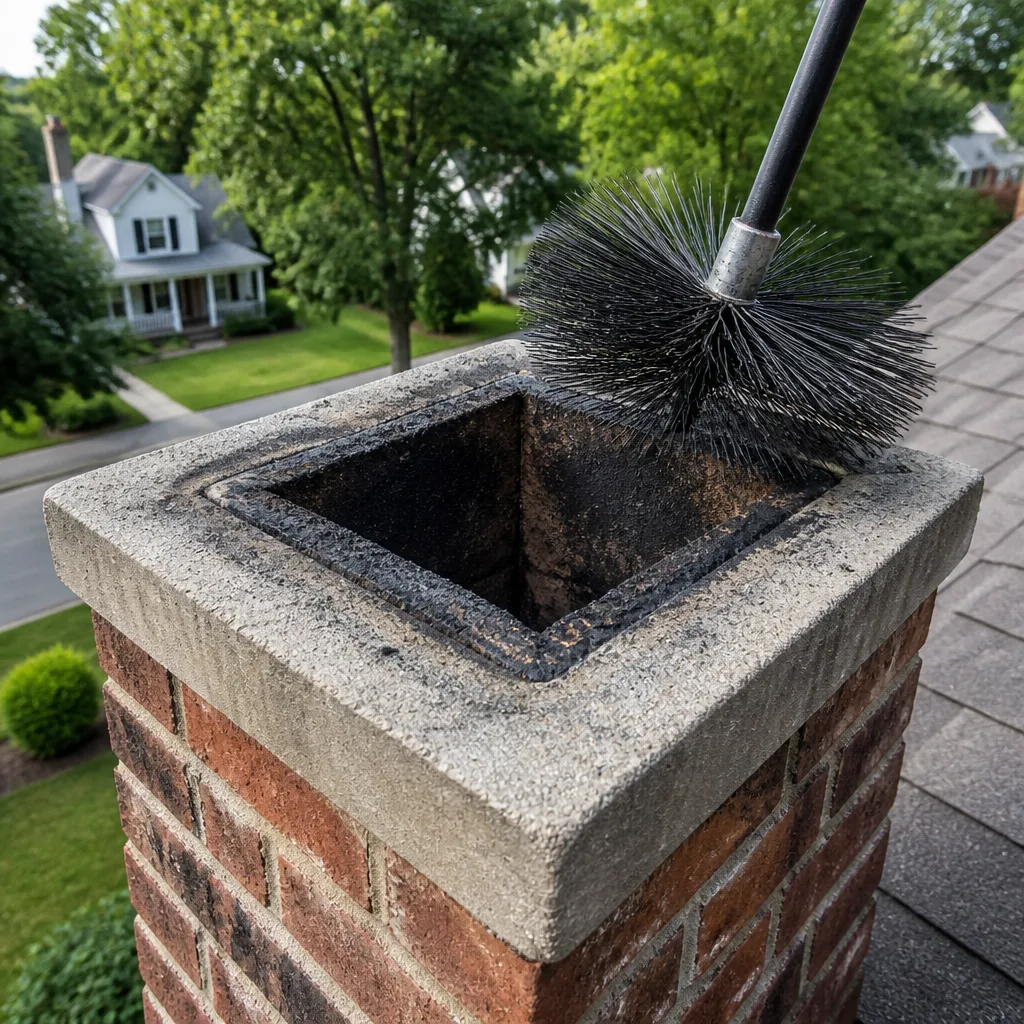 Sweep & inspection
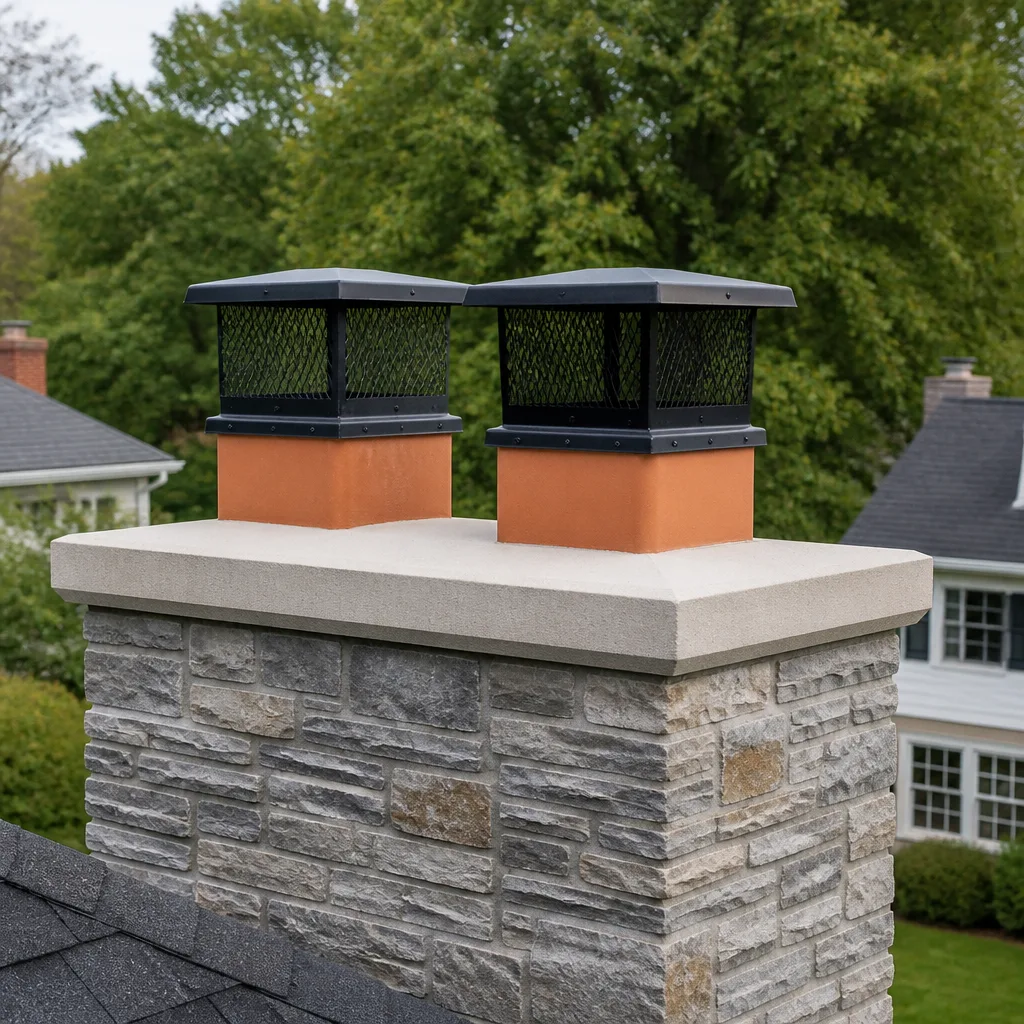 Caps & crowns
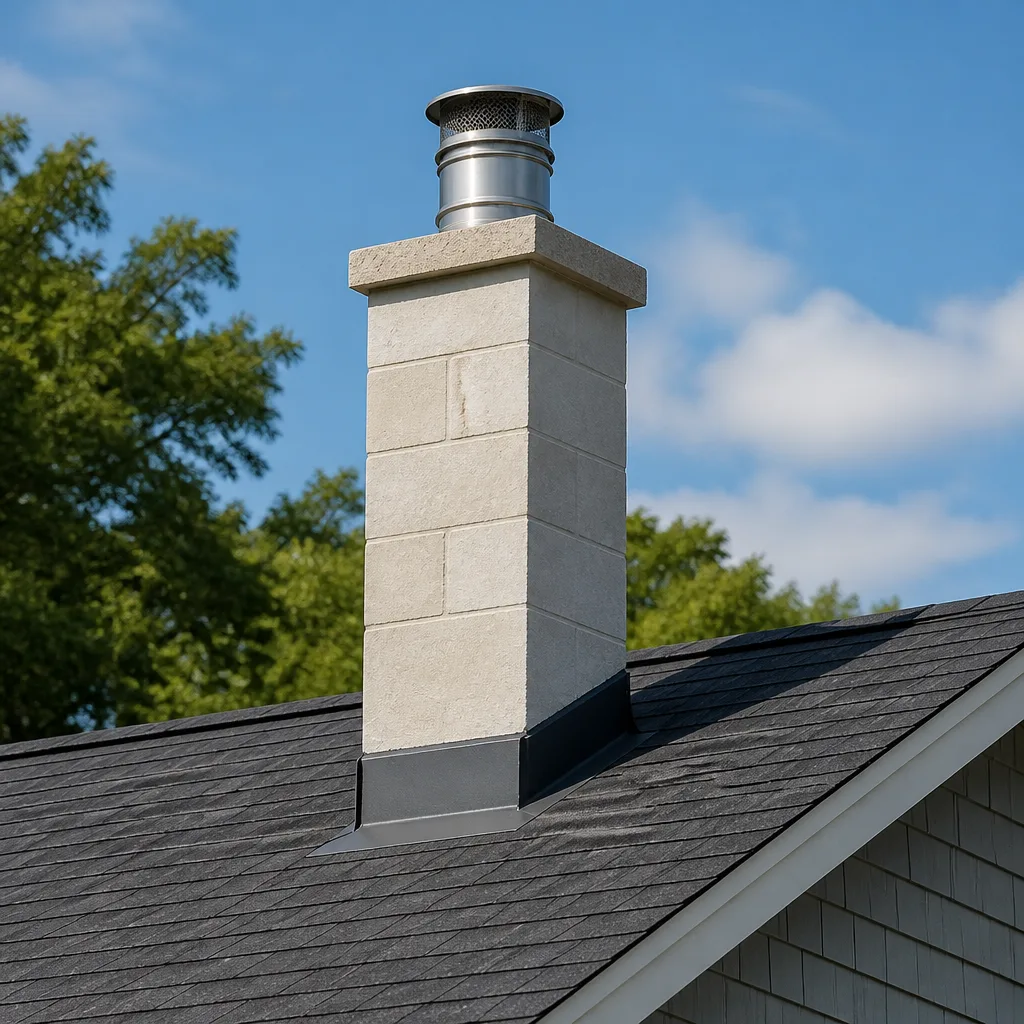 Flue relining
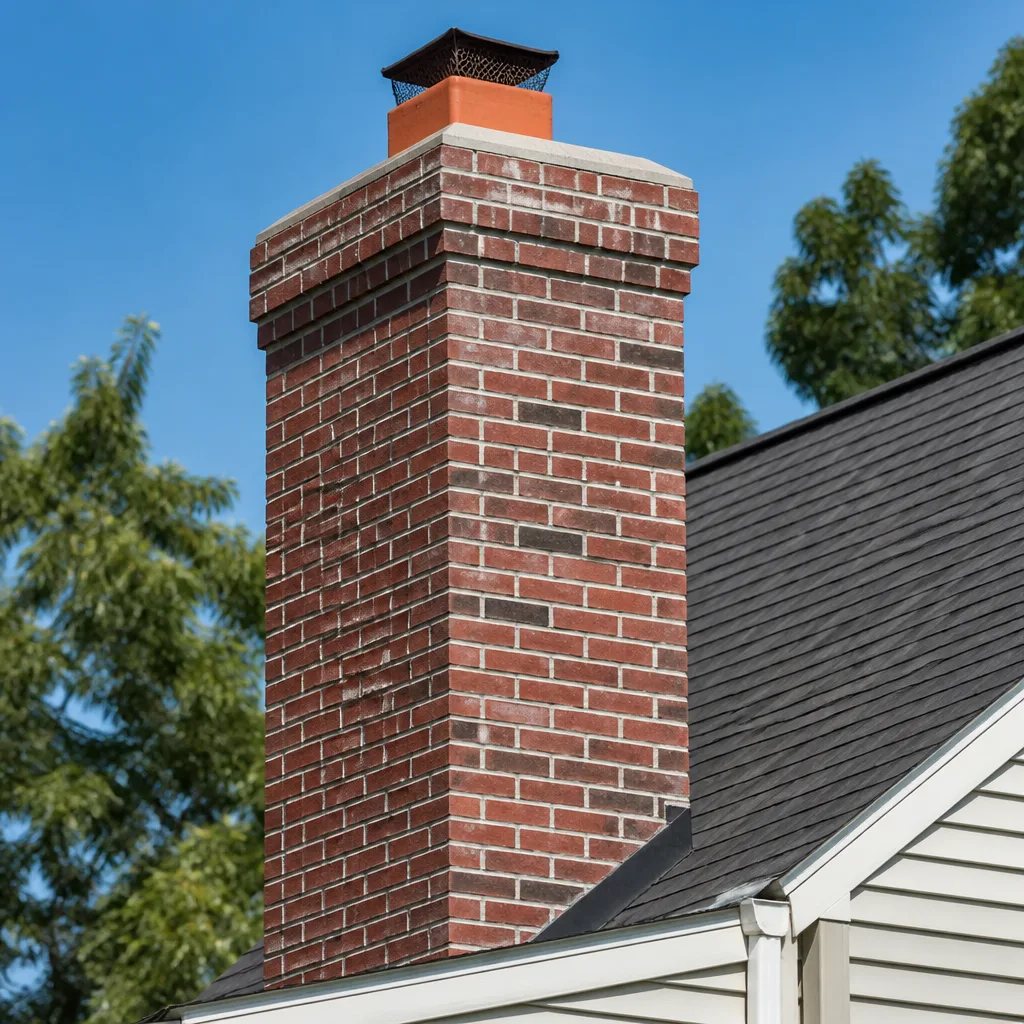 Masonry repair
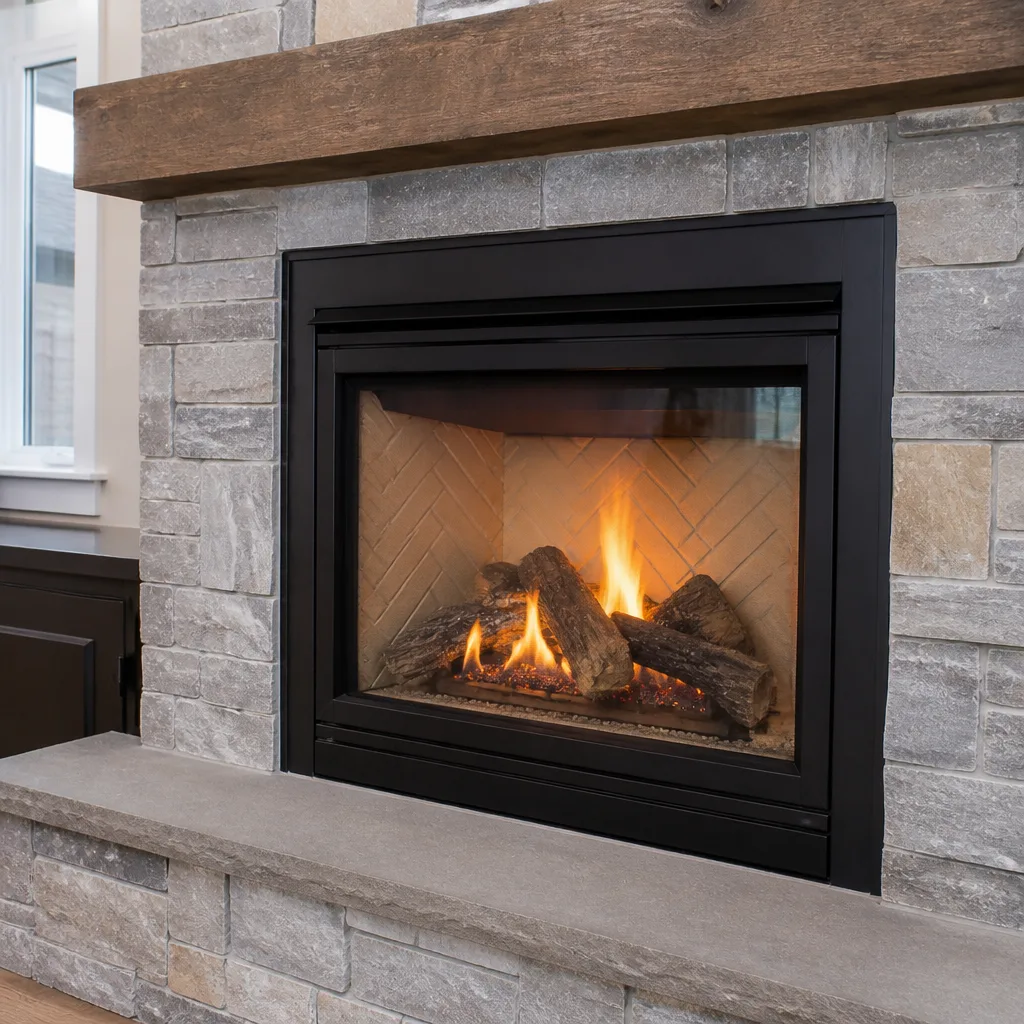 Gas fireplace service
Level 1 sweep and inspection to the NFPA 211 annual standard - flue, crown, cap, and flashing checked and photographed
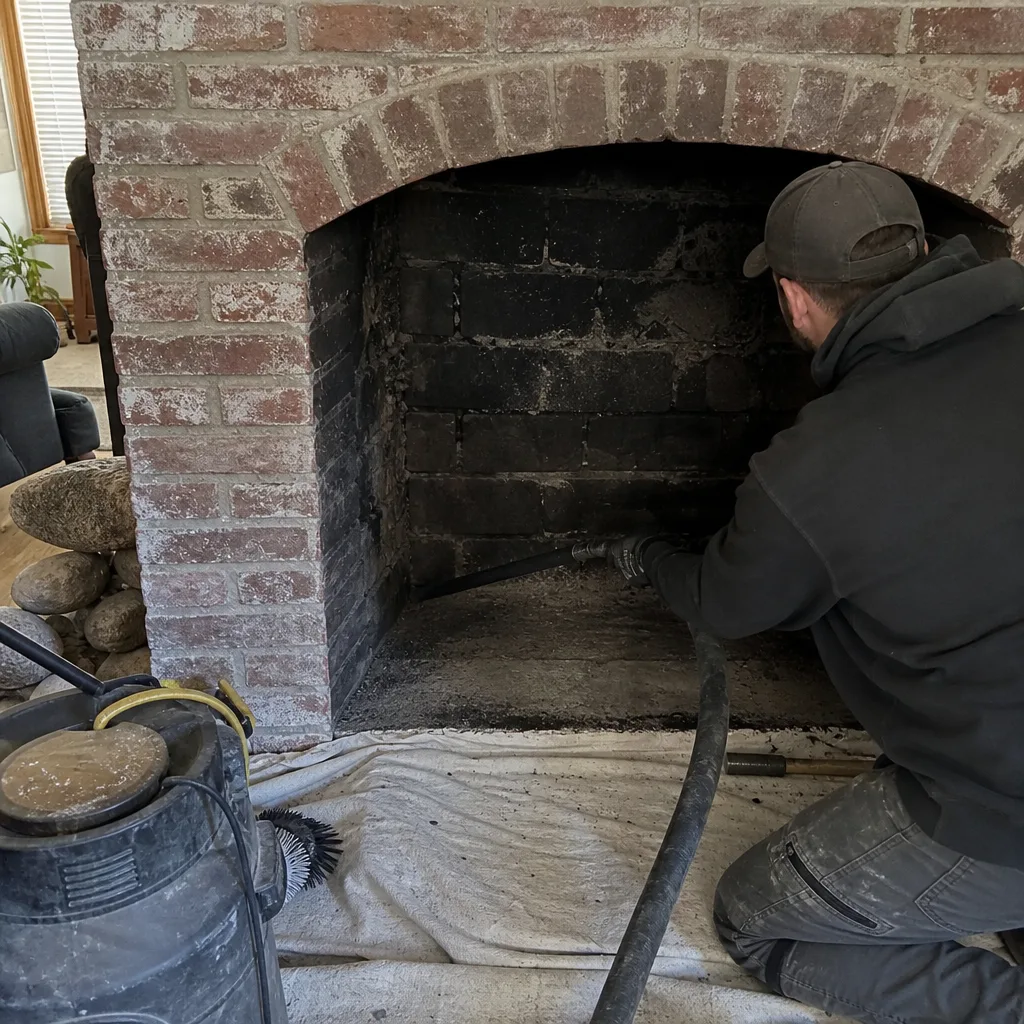
Chimney sweep logs do not sweep chimneys. They loosen some creosote - which then falls where a brush and vacuum still have to collect it.
Chimney Cleaning Warning Signs: A Longmont Homeowner’s Reference Guide
A white stain running down the outside of a chimney isn’t cosmetic. That crust is efflorescence, the visible marker of water migrating through brick and mortar, and by the time you can see it, the masonry is already being eaten from the inside. Most chimney problems announce themselves long before they turn into a repair bill, but only if you know what normal looks like. This guide pairs each observable symptom with the cause behind it so you’re diagnosing the system, not guessing. We’ll cover exterior clues, interior fireplace behavior, the difference between draft trouble and a blockage, the sounds a chimney makes, and which signs mean stop burning today. If you’d rather cut to the chase, call (855) 360-7080 for a free estimate in Longmont.
Quick Answer
The most serious chimney cleaning warning signs are efflorescence or spalling on the exterior masonry, smoke rolling back into the room, a sharp or acrid smell when the fireplace is cold, black staining above the firebox opening, and water dripping sounds after rain. Any of those points to a real defect, not just a dirty flue. Milder signs like a persistent sooty odor or a slightly stiff damper usually mean schedule a sweep and inspection soon. If two or more symptoms show up together, have it looked at before your next fire.
Styles & brands we work with
- Sweep & inspection
- Caps & crowns
- Flue relining
- Masonry repair
- Gas fireplace service
Table of Contents
- Exterior Warning Signs and What Causes Them
- Interior Fireplace Signs You Can Observe
- Draft Problem vs. Blockage: Telling Them Apart
- Sounds Your Chimney Makes and What They Signal
- Stop-Burning Emergencies vs. Schedule-Soon Repairs
- Signs You Cannot See: What a Camera Reveals
- Longmont-Specific Watch Points
- Common Mistakes to Avoid
Exterior Warning Signs and What Causes Them
Walk outside and look up. The chimney exterior tells you more about masonry health than anything happening inside the firebox. Here’s what each sign actually means.
Efflorescence. That chalky white or gray stain is salt drawn to the surface by moisture moving through the brick. It’s not mold and it doesn’t come from the fire. It comes from water finding a way in through failing mortar joints, a cracked crown, or a missing cap, then pushing back out as it dries. Left alone, the freeze-thaw cycle in Longmont works the salt crystals against the brick face until the brick starts to break apart.
Spalling brick faces. Spalling is the next stage past efflorescence. You’ll see brick faces peeling, flaking, or lying in a pile at the base of the chimney. The face is popping off because water got inside the brick itself and expanded when it froze. On the Front Range, where we get hard overnight freezes after mild afternoons, that cycle can chew through compromised brick in a few seasons. Once the brick face is gone, the softer interior of the brick absorbs water even faster.
Crown cracking. The crown is the sloped concrete cap at the top. It’s supposed to shed water away from the flue. Hairline cracks are normal settlement; cracks wider than a hair, or a crown that’s separating from the brick below it, let water run straight down the flue. A rusted or missing spark arrestor on top makes it worse, since rain and pests have clear access.
Rusted chase cover, cap, or damper. A rusted-through cap or a flue cover that’s pitting isn’t just ugly. It means water has been sitting on top of it long enough to eat through metal. When a cover fails, the first thing it stops doing is keeping animals, rain, and debris out of the flue.
Chimney leaning or tilting. A visible lean is a structural issue. It points to failed footing or a foundation problem, and it’s not something a sweep can fix. Get a chimney professional out to assess it before the next burn season.
If you’re seeing any of these and you’re in Longmont, a proper visual inspection from the ground and from the top will tell you which are cosmetic and which are active damage. We look for all of them on every chimney sweep visit.
Interior Fireplace Signs You Can Observe
The inside of your fireplace talks, too. You don’t need equipment to notice most of these, though you will need to know what’s abnormal.
- Smoke rollout. Smoke spilling into the room when you open the door, start a fire, or even when the fire is burning with the damper open is not a draft problem you should live with. It’s either a flue issue, a firebox that’s too small for the opening, or a blockage. Any of those matter for indoor air quality and carbon monoxide risk.
- Odor when there’s no fire. This is the smell test most homeowners get wrong. A sharp, acrid, chemical odor that shows up on warm days or when there’s a draft pushing air down the chimney is creosote off-gassing. A musty, damp, earthy smell is water in the masonry or flue. Those two point to completely different fixes, and confusing them is what leads to wasted repair money.
- Damper resistance. A damper that’s stiffer than it used to be, or won’t open fully, is usually rusting or warped from moisture. A damper that won’t close at all is a heat-loss and draft problem. Either way, it’s the first thing an inspection checks.
- Black staining above the firebox opening. A thin smudge line at the top of the firebox is normal. A spreading, thick black stain up the face of the brick or stone, or on the wall above the mantel, means combustion gases are escaping past the firebox opening instead of going up the flue. That’s a draft or blockage issue, and it’s the most common reason we get called out to look at a fireplace that’s “burning fine.”
- Soot on the glass or doors. A light haze on glass doors is normal. Heavy sooty buildup on the glass or the inside of the doors after one fire is a sign of incomplete combustion or restricted air.
In our experience, homeowners often dismiss odor and damper stiffness as “how it’s always been.” Both are worth a look the moment they start, because a slow moisture problem inside the flue is much cheaper to stop early. If you’ve got a gas fireplace and you notice any odor or hesitation, that’s a call-a-professional event, not a wait-and-see.
Draft Problem vs. Blockage: Telling Them Apart
These two look almost identical from the living room. Smoke rolls into the room either way, the fire’s hard to start either way, and the smell is similar. But the fixes are entirely different, and treating one as the other wastes time and money.
A draft problem is an airflow and pressure issue. The chimney is clear, but the air isn’t moving the way it should. Common causes:
- The flue is too short for the firebox opening, or the chimney is on the wrong side of the house for prevailing wind.
- The house is tight and modern. A tightly sealed home starves the fireplace of combustion air, and the chimney can’t pull.
- A bathroom fan, kitchen exhaust, or dryer vent running at the same time competes for the same air.
- Outside temperatures are mild. A warm chimney and cool outside air create the pressure difference that makes draft work, and that difference is weak on a 60-degree day.
A draft problem usually gets better as the fire heats the flue, or when you crack a window in the room. If your fire catches hard and then burns clean once it’s going, that’s a pressure issue, not a blockage.
A blockage is a physical obstruction. Something is in the flue. Causes include:
- Creosote buildup, especially glazed creosote near the top of the flue.
- Nesting material, or animals that got in through a missing or damaged cap.
- Leaves, twigs, or debris that fell in when the cap was off.
- A collapsed flue tile or a chunk of masonry from a spalling liner.
- A bird or squirrel that got in and couldn’t get out.
A blockage doesn’t improve with heat and doesn’t respond to a cracked window. In fact, a fire in a blocked flue can push carbon monoxide back into the room, which is why smoke rollout, headache, or an unusual smell should stop the fire immediately. If you can’t tell which problem you have, don’t guess. This is the exact scenario a camera inspection exists for, and it’s included with every sweep we do. For homeowners in Longmont, getting the camera down the flue is the only way to know for sure.
Sounds Your Chimney Makes and What They Signal
A chimney is mostly quiet when it’s working. When it’s not, it can make some specific sounds that point toward specific problems.
Popping or sharp cracking during a burn. Some crackling is normal wood. Popping that’s louder than the fire, or that comes with a smell like tar, is often glazed creosote expanding under heat. That sound is a warning. Glazed creosote is the most flammable stage of creosote and the most common fuel in chimney fires. If you hear popping that seems to come from up the flue, close the damper, let the fire die out, and don’t light another one until the flue has been inspected.
Water dripping sounds after rain. If you hear dripping inside the firebox or the flue after a rainstorm, that’s water getting past the crown, the flashing where the chimney meets the roof, or a damaged cap. This is one of the most useful sounds to listen for, because it usually precedes visible staining. Water in the flue combines with creosote and turns into acid that eats mortar joints from the inside. That’s why water is the leading cause of liner failure in this climate, and why we check the flashing every time a fireplace is used seasonally.
Scratching, scurrying, or chirping. These are animal activity signs. A bird or squirrel in the flue, or a nest built in the smoke chamber, restricts airflow and creates a fire and carbon monoxide hazard. A cap with a spark arrestor is the standard fix after removal. Animals don’t belong in a flue, and once a nest is there, it needs to come out before a fire is lit.
Whistling or a low hum. Often a draft problem, not a blockage. It can mean the flue is drawing hard because there’s air leaking somewhere it shouldn’t, or the cap or chase cover is loose. A quick look from the roof tells you which.
If you’re hearing any of these, don’t wait for a rainy day to investigate. A dryer vent cleaning visit is also worth it if you’re hearing weird noises near the laundry, since lint accumulation creates a similar fire risk in a different part of the house.
Stop-Burning Emergencies vs. Schedule-Soon Repairs
Not every warning sign means emergency. The wrong response in either direction causes problems: ignoring a serious sign can lead to a chimney fire or carbon monoxide exposure, and treating a minor sign as an emergency can lead to unnecessary repairs. Here’s how to sort them.
Stop using the fireplace now (call before your next burn)
- Smoke rolling back into the room consistently, even with the damper open and the fire hot.
- A strong sharp or chemical smell when the fireplace is cold or when weather changes push air down the flue.
- Popping or rumbling sounds from the flue during a burn.
- Visible spalling brick or chunks of masonry or tile in the firebox.
- Any sign of a chimney fire (loud roaring, flames or sparks from the top, a sudden burning smell with no visible source).
- Water in the firebox, or dripping sounds inside the flue after rain.
- A carbon monoxide alarm going off in the home (this is also a call-911 situation; then call a chimney professional).
- Birds, squirrels, or visible nesting material in the firebox or flue.
Schedule soon (plan a visit before the weather turns cold)
- Efflorescence or white staining on the exterior, with no other symptoms.
- Hairline cracks in the crown, or a cap that’s starting to rust but is still intact.
- A damper that’s slightly stiff or needs a firmer push to close.
- A light haze of soot on glass doors, or a thin black smudge line above the firebox.
- A persistent sooty smell that’s noticeable but not strong.
- More than a year since the last inspection if you burn wood regularly.
The natural question is which is which when you’re not sure. If in doubt, treat it as stop-use until a camera inspection says otherwise. That’s why we bring the camera on the first visit: you can see the flue on the screen yourself, and you don’t have to take our word for it. We’d rather look at a clean flue than find a problem.
Signs You Cannot See: What a Camera Reveals
Some of the most expensive problems don’t show any exterior or interior symptom at all. Cracks in the flue liner, gaps in the smoke chamber, missing mortar between flue tiles, and glazed creosote near the top of the chimney are invisible from the living room and from the ground.
The only way to know is to look. A proper chimney sweep includes a camera inspection and a photo report of what’s in the flue. That report is what turns a vague worry into a specific recommendation, and it’s the standard we hold ourselves to on every visit.
When we do find a problem, we install and repair with materials we name. We use DuraFlex flexible liner systems when a flue is compromised or outdated, because the liner is the longest-lived fix and the wrong material is expensive to redo. For a flue that doesn’t need a full reline but does have small cracks or spalling tile interior, we can use HeatShield liner resurfacing, which seals the existing flue from the inside and extends its working life. We also work with Gelco, Olympia Chimney, Famco, and Copperfield products, and we don’t stock mystery parts. If a technician tells you a liner or a crown repair is needed, we show you the photograph of why. If a repair can safely wait until spring, we say so.
The question homeowners ask most often is, “Do I really need a new liner?” The honest answer is: not always. Some flues need HeatShield and will last many more years. Some need a full DuraFlex reline. Some are fine and the smartest move is to clean and wait. A camera inspection is what separates those three, and it’s the only thing we’d trust in our own homes.
Longmont-Specific Watch Points
Longmont’s mix of housing stock and climate means some warning signs matter more here than the general literature suggests.
Older homes in central Longmont and along the older residential blocks often have original masonry chimneys with flue tile and interior clay liners that have been in service through many heating seasons. That means cracks in the liner, efflorescence on the exterior, and mortar-joint erosion are common finds. If you’ve recently bought one of these homes and the home inspection flagged the chimney, treat that as your starting point and get it looked at before you burn.
Newer construction and tighter homes have a different issue. Well-sealed homes can be so tight that the fireplace doesn’t get enough combustion air, which shows up as smoke rollout or a fire that catches hard and then goes sluggish. That’s a draft problem, not a blockage. Longmont’s Front Range weather swing matters here too: an afternoon that’s 60 degrees and sunny may not be cold enough to get the flue pulling, so the fire struggles until evening. That’s a pressure difference, not a chimney defect.
Freeze-thaw and the Front Range’s dry, windy springs are the single biggest driver of masonry wear in Longmont. A brick that’s slightly compromised absorbs water, freezes overnight, and spalls its face. Then the next morning’s meltwater gets into the mortar. That cycle is why efflorescence and spalling are the two exterior signs we see most often on Longmont brick. A crown that sheds water correctly and a cap that’s intact are the two cheapest protections against that cycle, and both are checked during a routine visit.
Gas fireplaces in Longmont homes run into a different set of warning signs: soot on glass, odor when the unit is off, and damper issues. We treat those with the same camera and inspection standard as wood-burning systems. If you’re not sure which kind of fireplace you have or what it needs, ask. There’s no charge to look.
The Chimney Sweep Longmont approach to all of these is the same: photograph the problem, name the materials, and set a written estimate before work begins. If you’re in Longmont, that’s the standard we hold to on every visit. And if you’re looking at our coverage of the broader Longmont area, everything in this guide applies the same way.
Common Mistakes to Avoid
- Treating efflorescence as mold. It’s not. It’s water pushing salt out of the masonry, and cleaning it off doesn’t fix the source. Two sentences of diagnosis from a professional will save you a whole season of scrubbing and disappointment.
- Burning a fire in a flue that’s making popping sounds. Popping usually means glazed creosote is expanding under heat, which is the stage right before a chimney fire. Close the damper, let the fire die out, and have the flue inspected before your next burn.
- Assuming a stiff damper is a cheap fix. A damper that doesn’t open fully is a draft problem, and a draft problem ignored can cause smoke rollout and carbon monoxide exposure. Have it looked at the same visit as a sweep.
- Skipping the camera because nothing looks wrong. The problems that matter most, like cracks in the flue liner, live where you can’t see them. Without a photo report, you’ve got no way to verify the advice you’re paying for.
- Letting a rusty cap stay on the roof. A rusted-through cap is the entry point for rain, animals, and debris. It’s one of the least expensive repairs and one of the most expensive things to skip.
- Using a chimney-only company for a house with a dryer vent. Lint in the dryer duct is a real fire risk of its own. If you’re already having a chimney swept, add the dryer vent to the same visit and stop guessing about a hidden hazard.
- Signing off on a “full reline” before a camera inspection. Not every flue needs a new liner. HeatShield resurfacing can seal a flue that doesn’t need a full replacement, and a company that sells both should show you which one the photo supports.
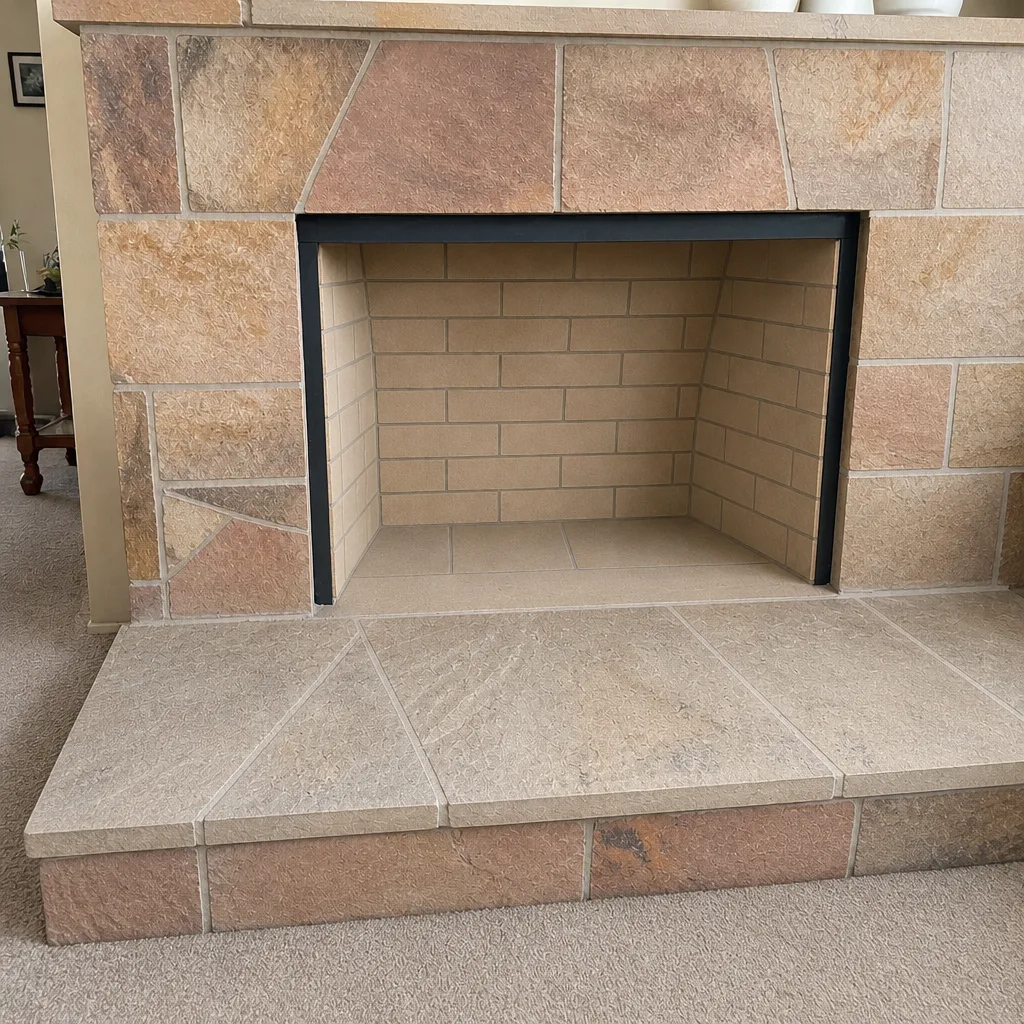
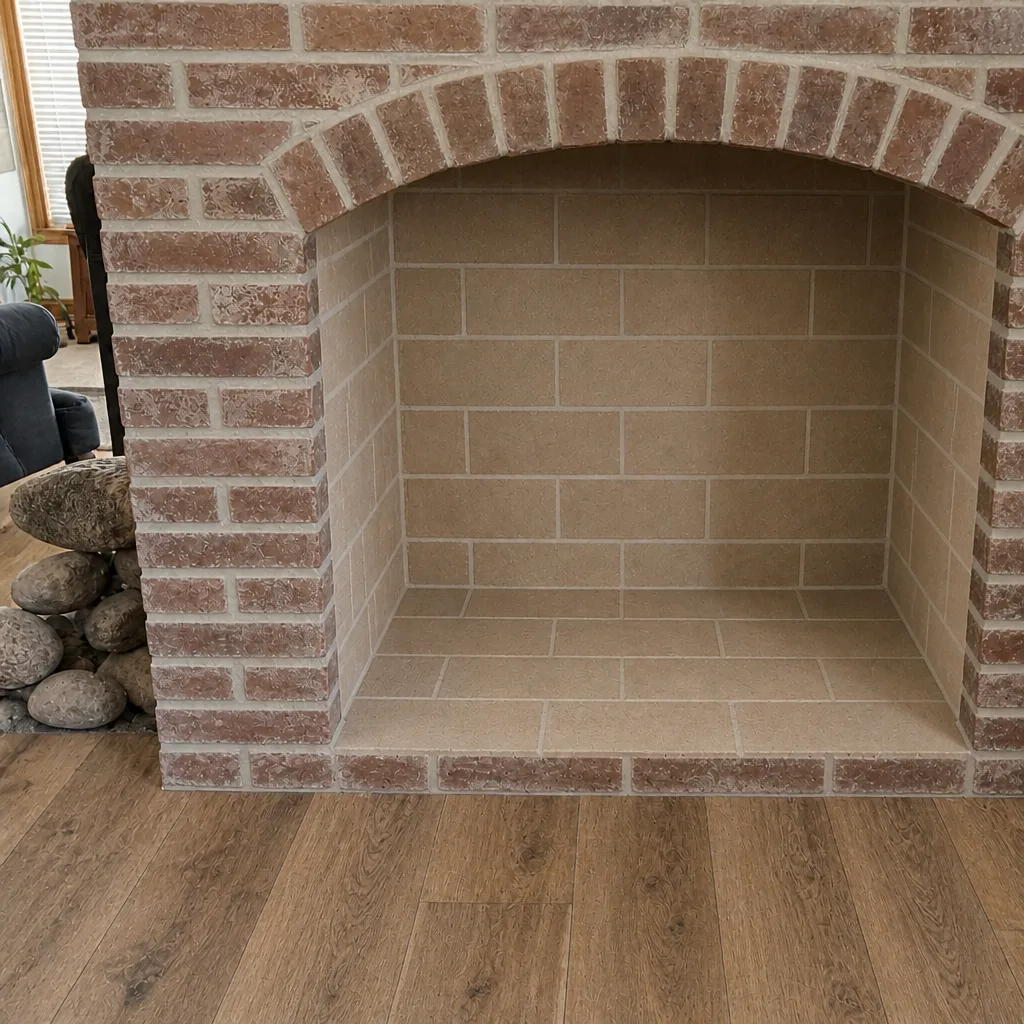
See the difference
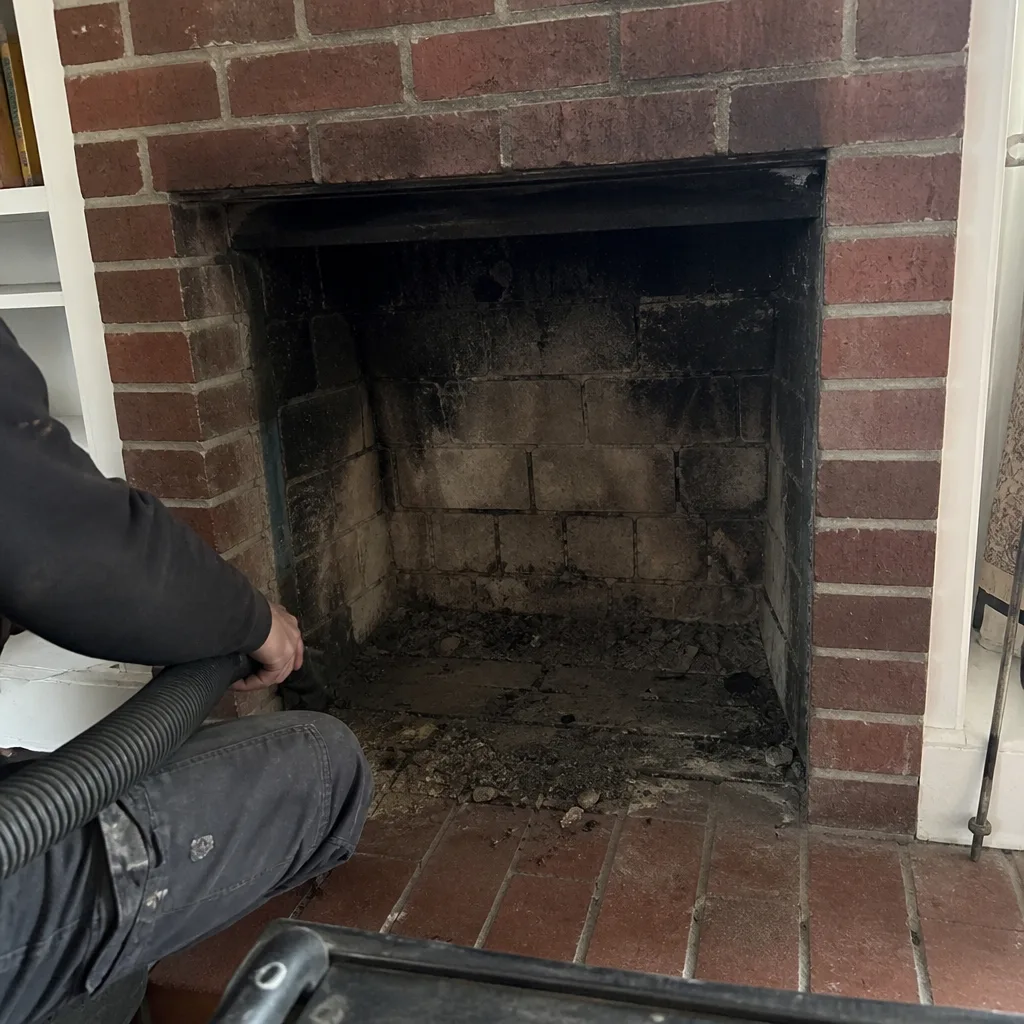 Before
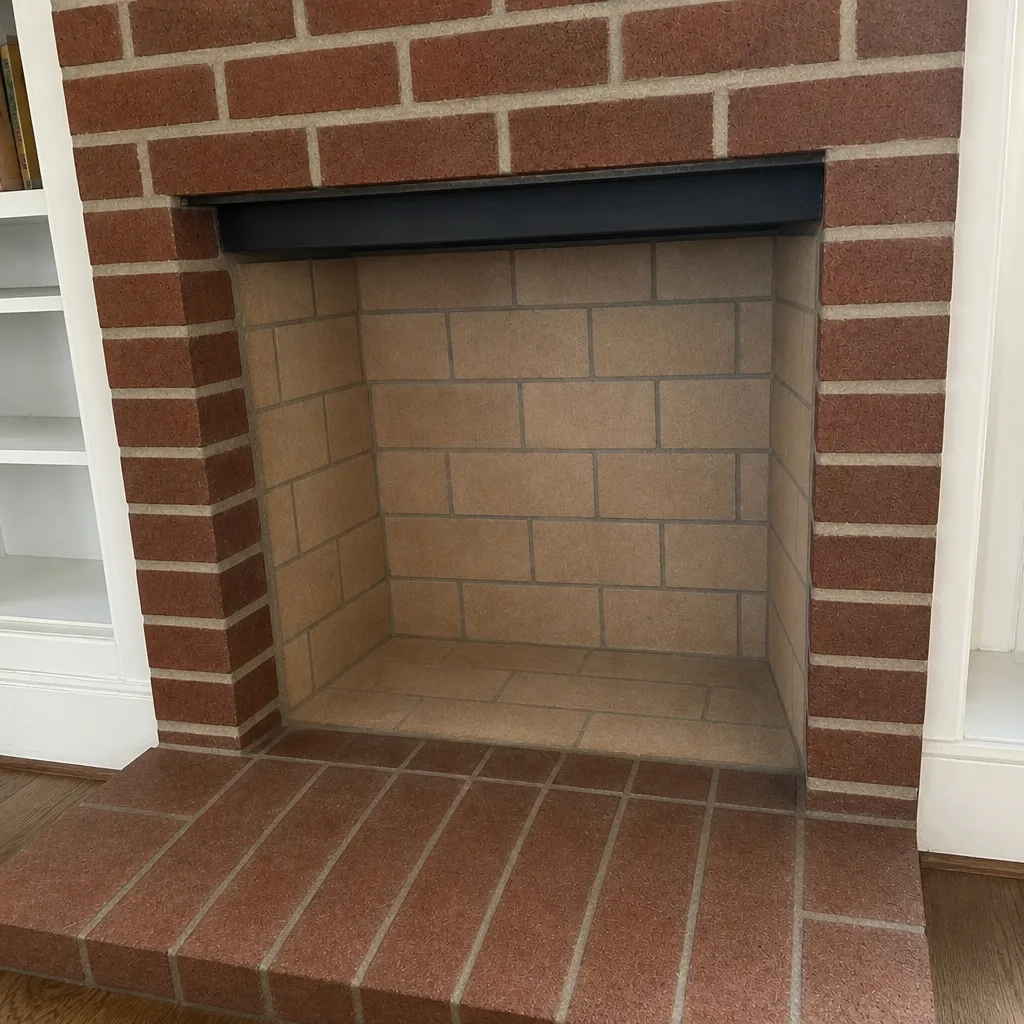 After
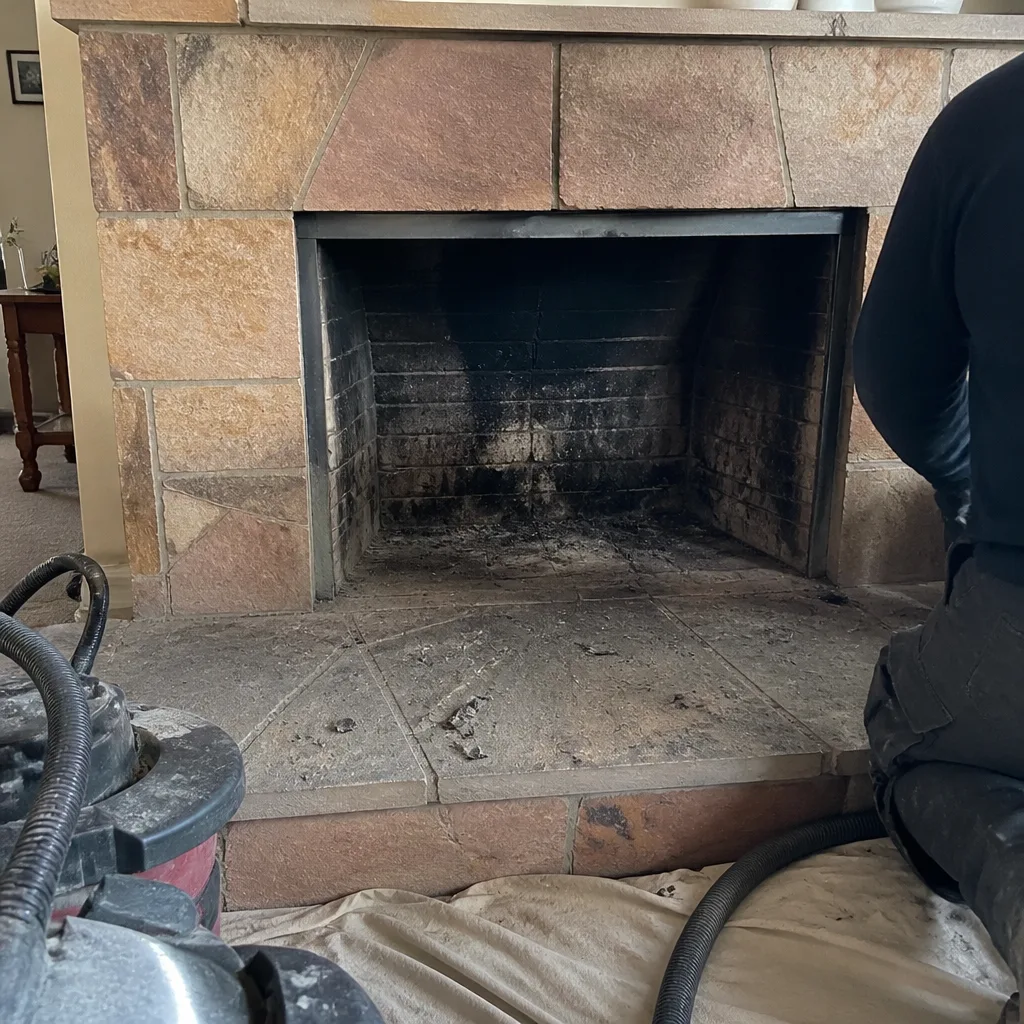 Before
 After
 Before
 After
When to Call a Professional
Call a professional chimney company the moment you have smoke rollout, a sharp or chemical smell with no fire, popping from the flue, visible spalling or chunks of masonry in the firebox, water in the firebox after rain, animal activity, or a home inspection that flagged the chimney. Also call if it’s been a full season since your last sweep, or if you’ve just bought an older home and you don’t know the chimney’s history.
Chimney Sweep Longmont offers free estimates in Longmont. Call (855) 360-7080 and we’ll book your visit. Our technicians have up to 9 years of experience, we bring a camera to every inspection, and you’ll get a photo report you can look at yourself before any repair is recommended. If the problem can safely wait, we’ll tell you that too.
Frequently Asked Questions
A chimney sweep in Longmont typically costs in the range of a standard routine sweep and inspection, but the written estimate you get before booking is what sets the final price, and it depends on the system and any repairs found. We set a flat price per job by written estimate, and the estimate is free. Call (855) 360-7080 for an exact quote; estimates are free.
Not always. A camera inspection is what decides between a full DuraFlex reline, HeatShield liner resurfacing, and a clean-and-wait recommendation. If the flue has small cracks or spalling tile interior but is structurally sound, resurfacing can extend its life without a full reline. Call (855) 360-7080 for an exact quote; estimates are free.
Wood-burning fireplaces should be swept and inspected at least once a season for regular users, and sooner if you see or hear any of the warning signs in this guide. Gas fireplaces need an inspection on a similar schedule, even though the flue stays cleaner. If it’s been more than a season, book a sweep before you burn again. Call (855) 360-7080 for an exact quote; estimates are free.
Creosote keeps building up in the flue with every fire, and once it reaches the glazed stage it becomes a real chimney fire risk. Water that’s been getting in through a failed crown or cap turns that creosote acidic and starts eating mortar joints and liner tiles from the inside. Catching it early is almost always less expensive than the repair. Call (855) 360-7080 for an exact quote; estimates are free.
Smoke rollout can come from either a draft problem or a blockage, and they look nearly identical from the living room. A draft problem improves when the fire heats up or the room gets some outside air; a blockage does not, and it can push carbon monoxide back into the room. A camera inspection is the only reliable way to tell. Call (855) 360-7080 for an exact quote; estimates are free.
The staining itself isn’t dangerous, but what it means is serious. Efflorescence is water migrating through the masonry, and if it’s not stopped, the freeze-thaw cycle in Longmont will start spalling the brick faces. A crown and cap repair now is much cheaper than rebuilding a chimney later. Call (855) 360-7080 for an exact quote; estimates are free.
The Bottom Line
Most chimney damage is visible before it becomes expensive, but only if you know what normal looks like. Efflorescence, spalling brick, a cracked crown, smoke rollout, a sharp or musty smell, popping sounds, and water dripping after rain are the eight signals worth acting on. Sort them into stop-use and schedule-soon, don’t treat a draft problem like a blockage, and don’t take a repair recommendation you haven’t seen on camera. We name the materials we install, and we’ll tell you when work can safely wait. For a free estimate in Longmont, call (855) 360-7080. We answer 24/7, with fast dispatch from 7am to 7pm, Sunday through Friday, and we’re closed Saturday.
Written by the team at Chimney Sweep Longmont.