
Last updated November 15, 2026
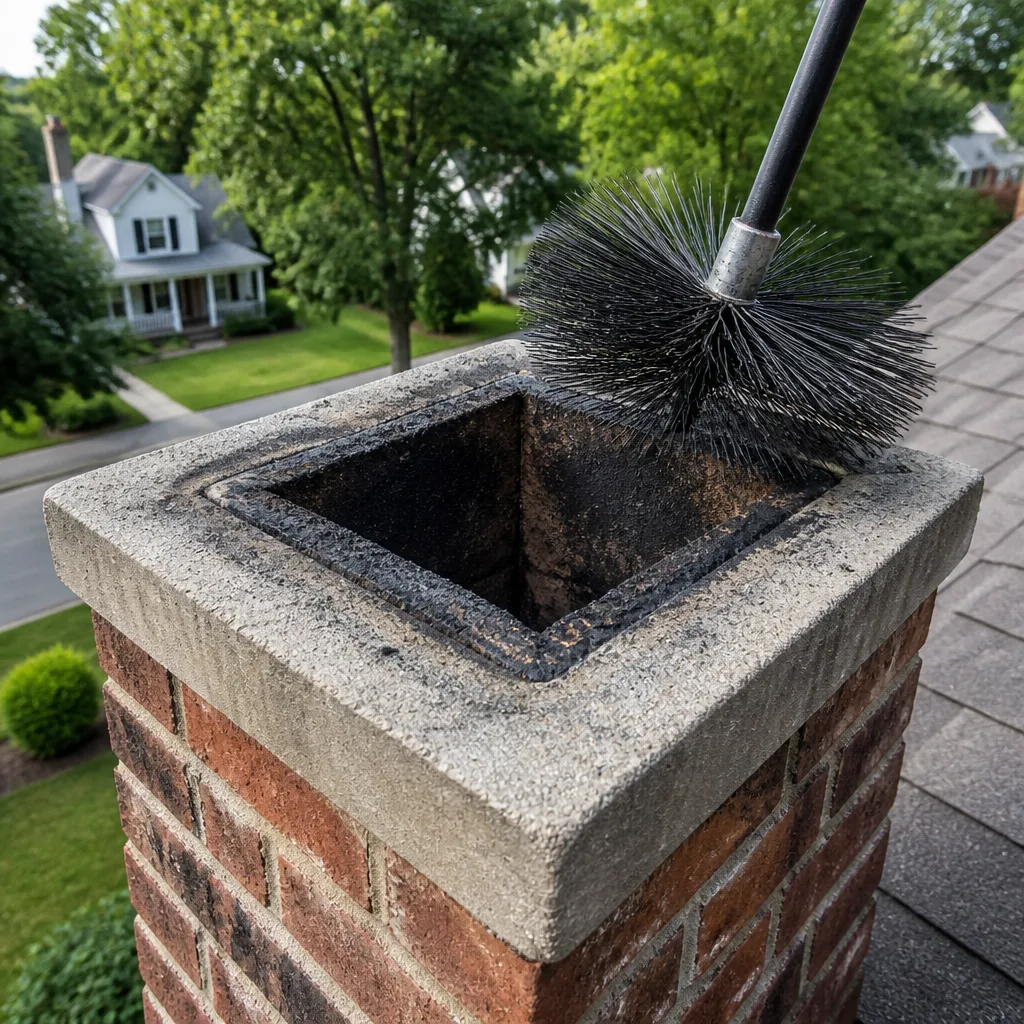 Sweep & inspection
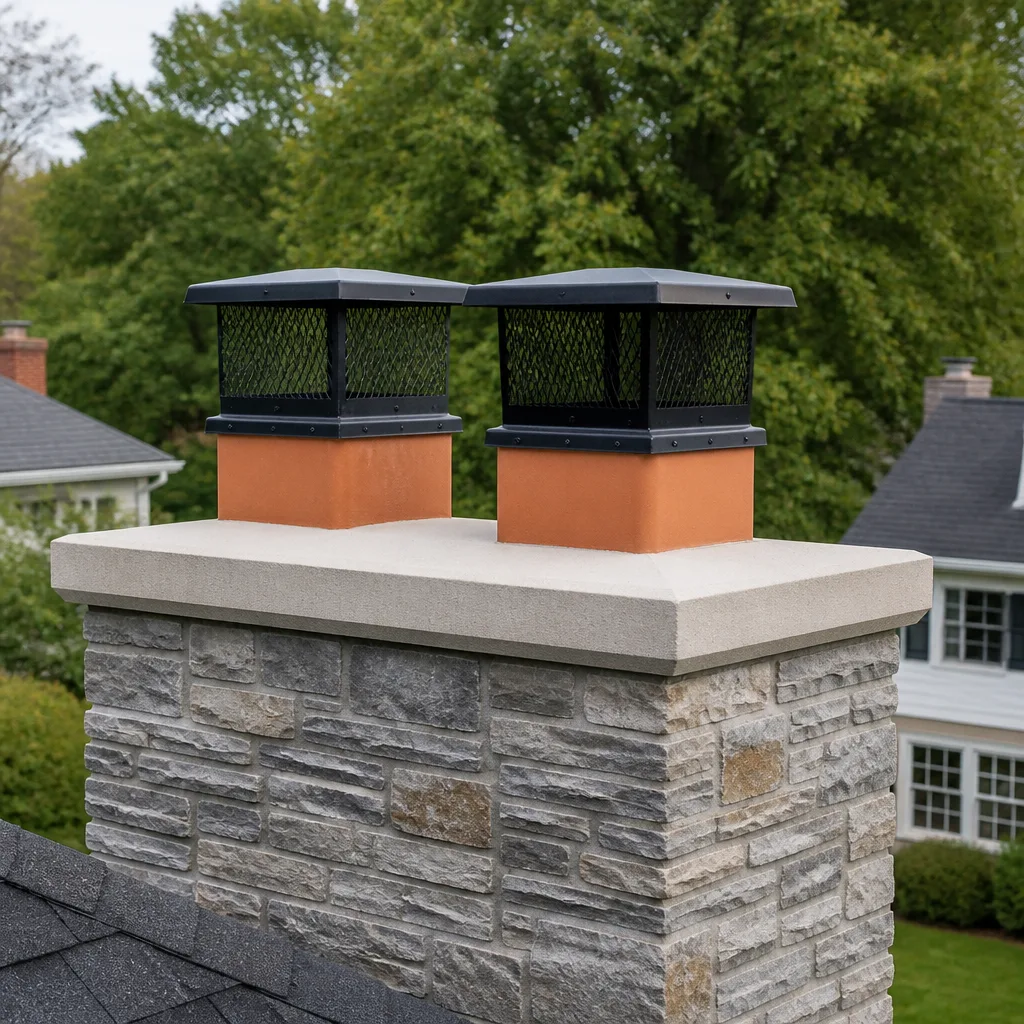 Caps & crowns
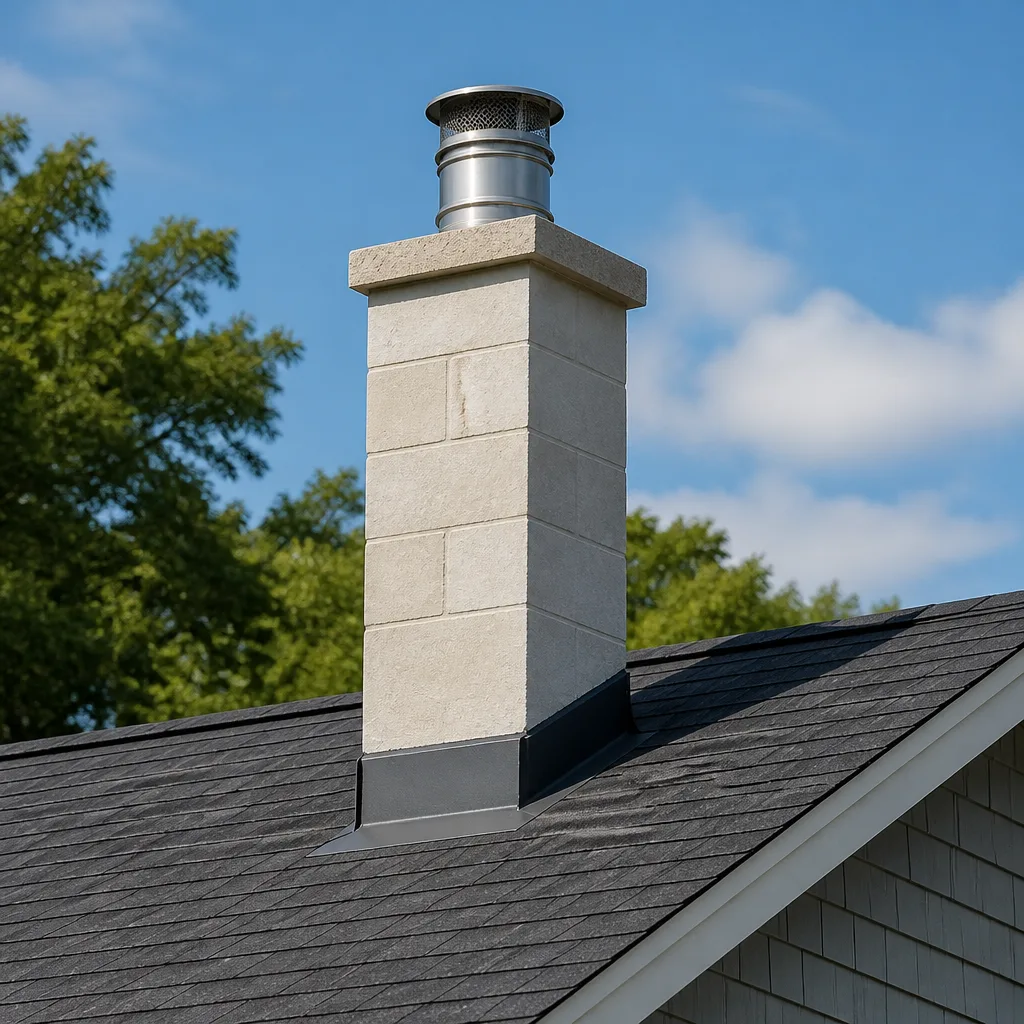 Flue relining
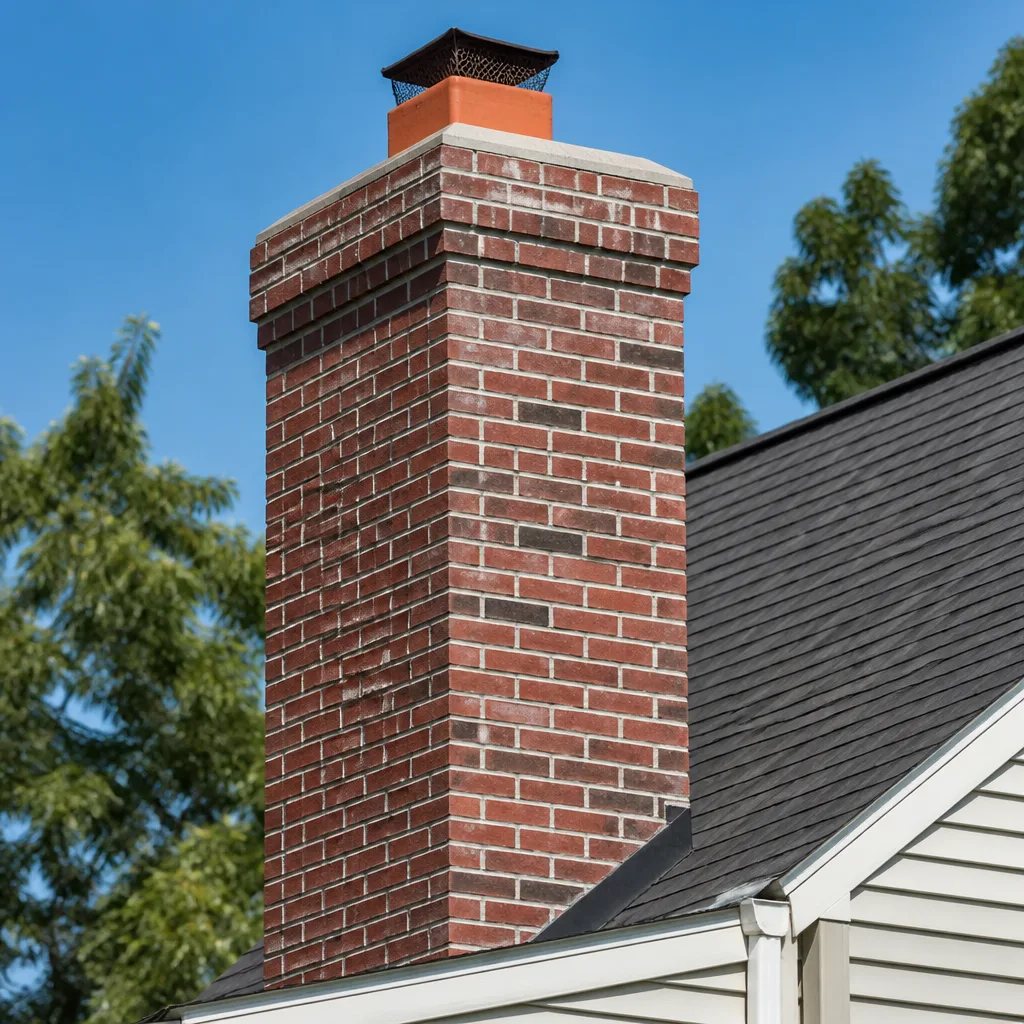 Masonry repair
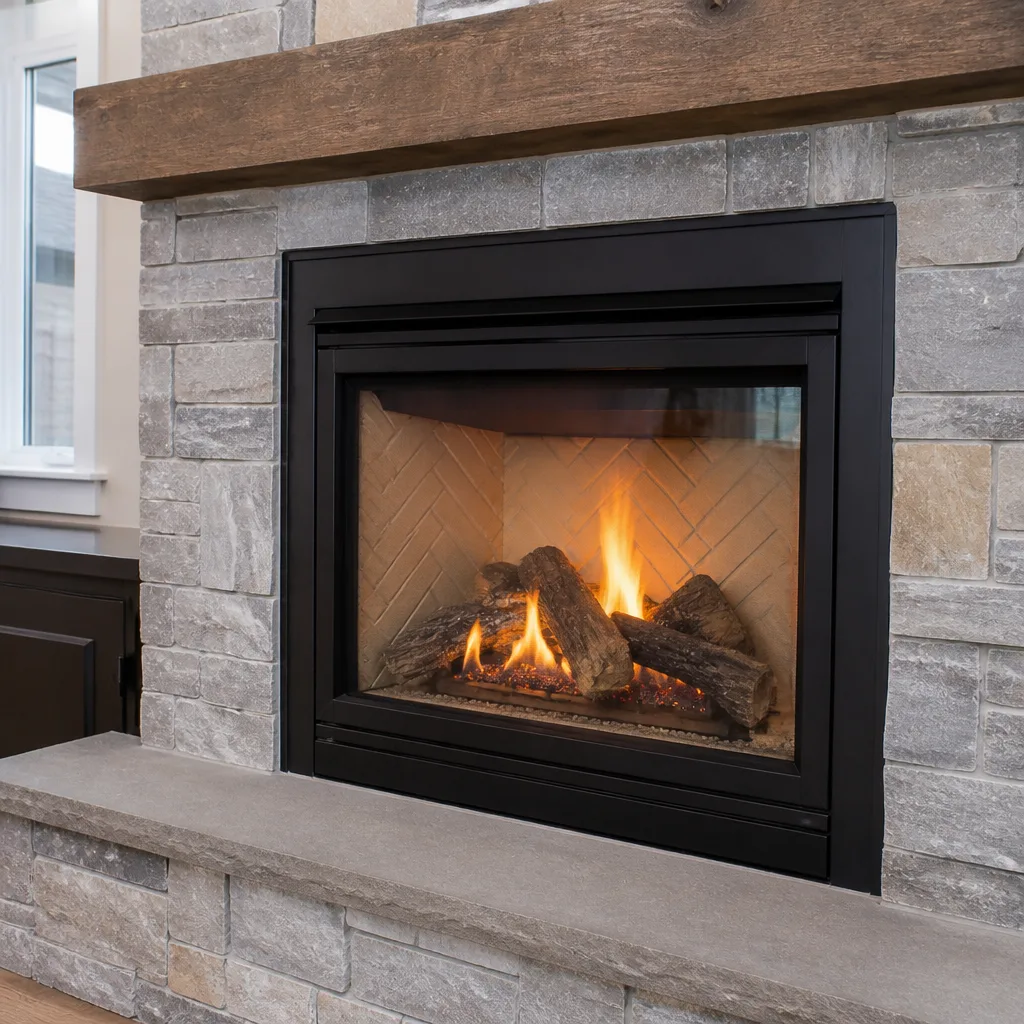 Gas fireplace service
Level 1 sweep and inspection to the NFPA 211 annual standard - flue, crown, cap, and flashing checked and photographed
Chimney sweep logs do not sweep chimneys. They loosen some creosote - which then falls where a brush and vacuum still have to collect it.
Chimney Cleaning Cost Breakdown: The Longmont Homeowner’s Reference for 2026
The $99 chimney cleaning special almost never loses money for the contractor running it. It’s a door-opener, priced to get a technician into your living room where the real conversation happens: the liner that’s spalling, the crown that’s cracked, the cap that’s missing. That conversation is worth having if you need the work. It’s expensive if you don’t, and most homeowners have no framework for telling the difference. This guide gives you one. You’ll find honest 2026 cost ranges for Longmont, the specific materials behind them, what actually drives price up or down, and how to read a written estimate so two bids can finally be compared fairly. No upselling. Just the numbers and the reasoning behind them.
Quick Answer
In Longmont, a basic chimney sweep plus Level 1 inspection typically runs $150 to $250 in 2026. A Level 2 inspection with camera adds $100 to $200 on top. Liner repair with HeatShield resurfacing starts around $700 and can reach $2,000, while a full DuraFlex or Olympia Chimney reline typically falls between $2,800 and $6,500 depending on height, flue size, and access. The written estimate sets the final price, and a free one should tell you exactly what’s included.
Styles & brands we work with
- Sweep & inspection
- Caps & crowns
- Flue relining
- Masonry repair
- Gas fireplace service
Table of Contents
- Why the Same Service Costs $99 From One Company and $450 From Another
- What Each Service Actually Costs in Longmont in 2026
- What Drives Chimney Cleaning Price Variation
- How to Compare Quotes Accurately
- The Real Cost of Deferring Cleaning
- Level 1 vs. Level 2 Inspections: What You’re Paying For
- Insurance and Tax Considerations
- Dryer Vent Cleaning: The Hidden Line Item
Why the Same Service Costs $99 From One Company and $450 From Another
Two companies describe the exact same job on the phone. One quotes $99, the other $450. Neither is lying, and the gap isn’t greed. It’s the scope hiding behind the words “chimney sweep.”
A $99 cleaning usually means a brush down the flue and a visual glance from the firebox. No camera. No written documentation. The technician is in and out in 25 minutes because the business model assumes a percentage of visits convert into repair work. The contractor isn’t losing money on the cleaning itself; they’re recouping it on the upsell that follows.
A $350 to $450 cleaning typically includes a full Level 1 inspection with photos, a written report of findings, a roof-level check of the crown and flashing, and a technician on site long enough to answer real questions. You’re paying for documentation, not just sweeping. If you’re a new homeowner trying to understand the condition of a flue you’ve never seen, that documentation has genuine value. If you’ve had a sweep every year and know your system is sound, it may be money you don’t need to spend.
The honest framing: cheap cleanings are fine if you’re confident about your flue condition and don’t need evidence. They’re a poor choice if a home inspector just flagged something on your Longmont property, if you’ve never had the chimney looked at, or if you’re preparing to sell. In those cases, paying $100 more for a documented inspection is the cheaper decision.
What Each Service Actually Costs in Longmont in 2026
The ranges below reflect typical Longmont market pricing for 2026. They are estimates only. Height, flue count, liner material, and access all shift the number, and the written estimate sets the final price every time.
| Service | Typical Range | What’s Included |
|---|---|---|
| Basic chimney sweep | $120 – $200 | Brush and vacuum of firebox, smoke chamber, flue; visual check |
| Sweep + Level 1 inspection | $150 – $250 | Full sweep, photo documentation, written summary, roof-level crown and cap check |
| Level 2 inspection (camera) | $250 – $450 | Video camera down the flue, joint and offset review, written report with stills; typically required for sale, after a chimney fire, or after a system change |
| HeatShield liner resurfacing | $700 – $2,000 | Targeted repair for cracked or pitted clay flue tiles; less invasive than full relining |
| Full liner replacement (DuraFlex or Olympia Chimney) | $2,800 – $6,500 | Insulated flexible liner, new top plate and cap, appropriate connectors; permits where required |
| Dryer vent cleaning | $120 – $225 | Full-length lint removal, airflow check, vent cap inspection |
Basic Chimney Sweep: $120 to $200
This is the floor. A standard sweep of a wood-burning fireplace removes creosote and soot from the firebox, smoke chamber, damper, and flue. Most Longmont homes with a single masonry chimney land near the middle of this range. If your fireplace has a gas insert, the process is different but usually close in price.
Level 1 Inspection: $150 to $250 With the Sweep
Often bundled. A Level 1 inspection is a visual check of everything accessible without cutting or removing anything: the firebox, damper, flue interior (with a light from above or below), crown, cap, and flashing. It’s the minimum you should get with any sweep, and getting it written down is the point.
Level 2 Inspection With Camera: $250 to $450
A Level 2 inspection uses a video camera to look at what the eye can’t: the joints between flue tiles, offsets, and hidden sections. This is the inspection type typically required after a chimney fire, when a property changes hands, or when you’re switching to a different fuel type. It’s more expensive because it’s more thorough, and because interpreting the video actually takes judgment.
HeatShield Liner Resurfacing: $700 to $2,000
HeatShield is a resurfacing system that coats the inside of a damaged clay flue to restore its integrity without tearing out the existing tile. It’s a targeted solution for cracked, spalling, or pitted tiles that haven’t yet failed completely. It extends the life of the chimney at a fraction of the cost of full relining, and it’s the right call only when the underlying structure is sound enough to be worth saving. That’s a diagnostic judgment, and any honest contractor should tell you when resurfacing won’t work and relining is the correct path instead.
Full Liner Replacement With DuraFlex or Olympia Chimney: $2,800 to $6,500
When the existing flue is compromised beyond resurfacing, a new flexible liner is the durable answer. DuraFlex is an industry standard for this work, and Olympia Chimney systems are commonly used for the same purpose. Pricing depends heavily on chimney height (a two-story exterior chimney costs more than a single-story interior one), flue diameter, and whether the liner needs insulation for gas or high-efficiency appliance venting. These jobs often require a permit, so always ask your city’s building department whether one applies to your home.
Dryer Vent Cleaning: $120 to $225
Most chimney-only companies skip this entirely. It’s a separate system, but it’s the same hazard class: lint buildup in a dryer vent is a leading household fire risk, and it’s documented by NFPA safety data. If you’re already scheduling a sweep, having the dryer vent cleaned on the same visit is efficient and worth asking about.
What Drives Chimney Cleaning Price Variation
Two Longmont homes on the same street can get very different quotes for what sounds like the same service. Four factors account for most of the gap.
Chimney Height
Higher chimneys take longer to access, longer to sweep, and more liner material. A single-story ranch with an exterior chimney is a fast job. A two-story home with a tall chimney requires more time on the roof and a longer liner if replacement is needed, and the price reflects that.
Flue Count
A chimney with two flues (one for the fireplace, one for the furnace or water heater) is two flues to sweep and inspect, not one. Some contractors price per flue; others quote a flat rate and adjust after the first visit. Ask which model the company uses before booking.
Liner Material and Condition
Clay tile liners in good shape sweep cleanly and cheaply. Deteriorated clay tile may need attention during the sweep, and if the tile is spalling, that’s a repair conversation. Stainless steel liners are typically easier to sweep and hold up well, but the flue needs to be sized correctly for the appliance, which is an assessment, not a sweep.
Access Difficulty
Longmont’s mix of ranch homes, two-story builds, and additions means rooflines vary. A flat roof with easy ladder access is a faster job than a steep pitch above a lower roof section. If the chimney cap is stuck, the crown is loose, or the firebox has a non-standard insert, expect the estimate to reflect the extra time. None of these are surprises; they should be built into the written estimate before work starts.
How to Compare Quotes Accurately
Quotes for chimney work are notoriously hard to compare because companies describe the same service with different words. A written estimate that includes all of the following can be compared line by line to another. One that doesn’t can’t be compared to anything.
- Scope in writing. Exactly what will be swept or inspected, and which parts of the system are excluded. “Chimney sweep” is not a scope.
- Inspection level specified. Level 1, Level 2, or Level 3, with or without camera. If the estimate doesn’t name the level, ask.
- Materials named. For any repair, the estimate should state the specific product. HeatShield resurfacing, DuraFlex liner, Olympia Chimney components, Famco caps, and Copperfield top plates are all identifiable. “A new liner” is not. You deserve to know what’s going into your home.
- Permit inclusion stated. Some repairs need a permit from the city. The estimate should say whether the contractor is pulling it or you are, and whether the fee is included.
- Warranty terms spelled out. Product warranty and workmanship warranty are two different things. Both should be stated in writing, with duration and what voids them.
- Photo documentation promised. A real inspection produces photos you can see. An estimate that doesn’t mention documentation is an estimate without evidence.
Three quotes for the same job should look similar on paper if they’re genuinely comparable. If one is $500 cheaper and the estimate is a single line that says “chimney work,” you’ve just found the reason.
The Real Cost of Deferring Cleaning
Skipping a cleaning doesn’t save the cleaning money. It accumulates a cost that comes due later, and creosote stage is where that cost gets predictable.
Stage 1 Creosote
Sooty, flaky, and easy to brush out. This is normal buildup after a season of burning. A standard sweep handles it, and a regular cleaning schedule keeps you here. Cost of remediation: the sweep itself, nothing more.
Stage 2 Creosote
Darker, stickier, and crusty. It’s harder to remove and may need chemical treatment in addition to brushing. Some surfaces need multiple passes. A cleaning at this stage costs more than a standard sweep, and it’s a warning sign that the flue isn’t drafting cleanly. If your fire has smoked back into the room or the glass blackens quickly, you may already be here.
Stage 3 Creosote
Concentrated, glazed, and hard. It’s a serious chimney fire risk, and it can’t be brushed out with a standard sweep. Removal requires specialized equipment or, in advanced cases, relining. The gap between a routine sweep and a Stage 3 remediation is one of the largest cost differences in chimney work. It’s the argument for sweeping on schedule.
There’s no reliable way to know your stage by looking. That’s what the inspection is for. If you’ve never had a sweep on your Longmont property or it’s been several winters, book a chimney sweep before the next burning season and get the answer.
Level 1 vs. Level 2 Inspections: What You’re Paying For
The inspection level is the single biggest lever on price, and the one most homeowners understand least. Here’s what each level actually buys you.
- Level 1: Visual check of accessible components. Appropriate when the chimney is in known condition and nothing has changed. Comes with most standard sweeps. Cheap, fast, sufficient for routine maintenance.
- Level 2: Everything in Level 1 plus a video scan of the flue interior, joint review, and written report with photos. Appropriate for home purchases, after a chimney fire, after an appliance change, or any time the hidden condition matters. Costs more because it produces more.
- Level 3: Everything in Level 2 plus opening walls or removing components to inspect concealed areas. Reserved for specific suspected problems. Rare, and expensive, but sometimes necessary.
The trap with cheap quotes is that a “Level 1” inspection is sometimes performed with no camera and no written report, described as a Level 2. When you compare bids, ask which level is being performed and whether documentation is delivered. If a company won’t name the level, that’s the answer.
If you’re buying a home in Longmont or have just had an inspector flag chimney issues, a Level 2 is usually the correct starting point. It’s the difference between “looks fine” and “here’s what we saw.”
Insurance and Tax Considerations
Chimney work isn’t typically covered by homeowners insurance as routine maintenance, but the picture changes with cause. If a chimney fire or sudden failure triggers a claim, documented cleaning history matters, because insurers often look at maintenance records when assessing a loss. This isn’t a guarantee of coverage, and it varies by policy. But a written history of annual cleanings is a reasonable thing to keep.
On the tax side, the picture is simpler than it sometimes sounds. Chimney repairs are generally treated as home improvements or repairs, not tax deductions, unless they’re part of a larger documented improvement to the property. Keeping receipts and written estimates is still good practice. Some claim outcomes and some resale disclosures benefit from a documented history of maintenance and repair work.
None of this is tax or legal advice. But it’s the reason a written estimate and a documented inspection are worth paying for. The paperwork itself has downstream value.
Dryer Vent Cleaning: The Hidden Line Item
Dryer vents are part of the same fire-safety picture as chimneys, and most chimney-only companies leave them out. Lint accumulation in a dryer vent is a well-documented fire hazard, and the fix is a straightforward cleaning that most homeowners never schedule. If you’re already having a sweep done, adding dryer vent cleaning on the same visit is one of the few genuinely efficient pairings in home maintenance. It’s typically $120 to $225 on its own, and the airflow check at the end tells you whether the vent is actually clear or just partially clear.
Common Mistakes to Avoid
- Booking the $99 special without asking what’s included. The low price is real, but the scope usually isn’t the whole flue. Ask whether the crown, cap, and smoke chamber are inspected, and whether you’ll get anything in writing.
- Accepting a verbal estimate for a liner repair. Liner work is a multi-thousand-dollar category. If the estimate isn’t in writing with the material named, don’t book it. “A new liner” is not an estimate.
- Skipping the inspection because the sweep “looks fine.” Stage 2 and Stage 3 creosote aren’t visible without a camera. The sweep cleans what it can reach; the inspection tells you what you’re living with.
- Assuming a gas fireplace needs no maintenance. Gas inserts vent through the same flue and can produce different deposits. A sweep on a gas appliance is different work, but it’s not zero work.
- Buying the cheapest quote and comparing nothing. A quote that doesn’t specify inspection level, material brand, permit handling, and warranty isn’t cheaper. It’s just less specific. The cheapest accurate comparison is the one with the most detail.
- Waiting until the flue is smoking back. By the time smoke is coming into the room, the draft problem is established. That’s a repair conversation, not a cleaning one, and it costs more.
- Ignoring the dryer vent because the chimney got the attention. Dryer vent lint is a leading household fire hazard. If you’re getting one system cleaned, get the other looked at too.
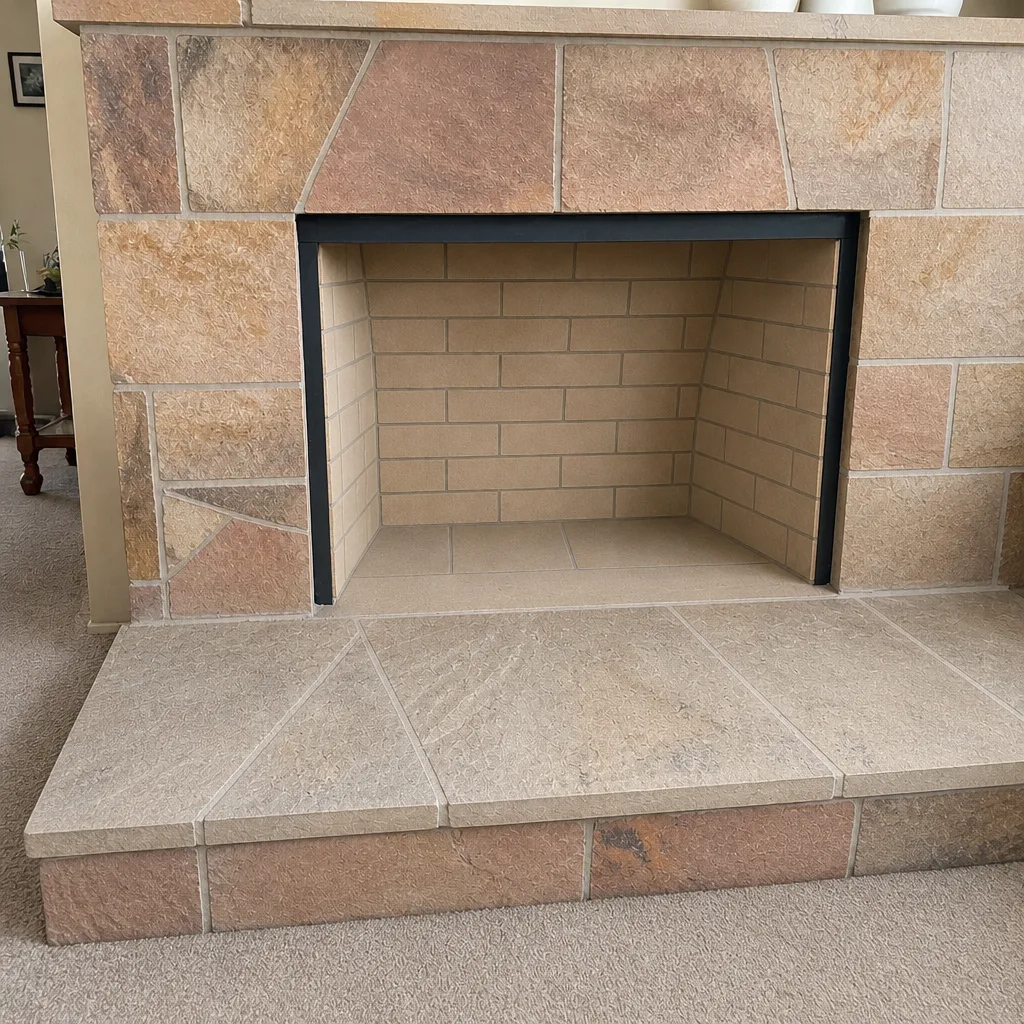
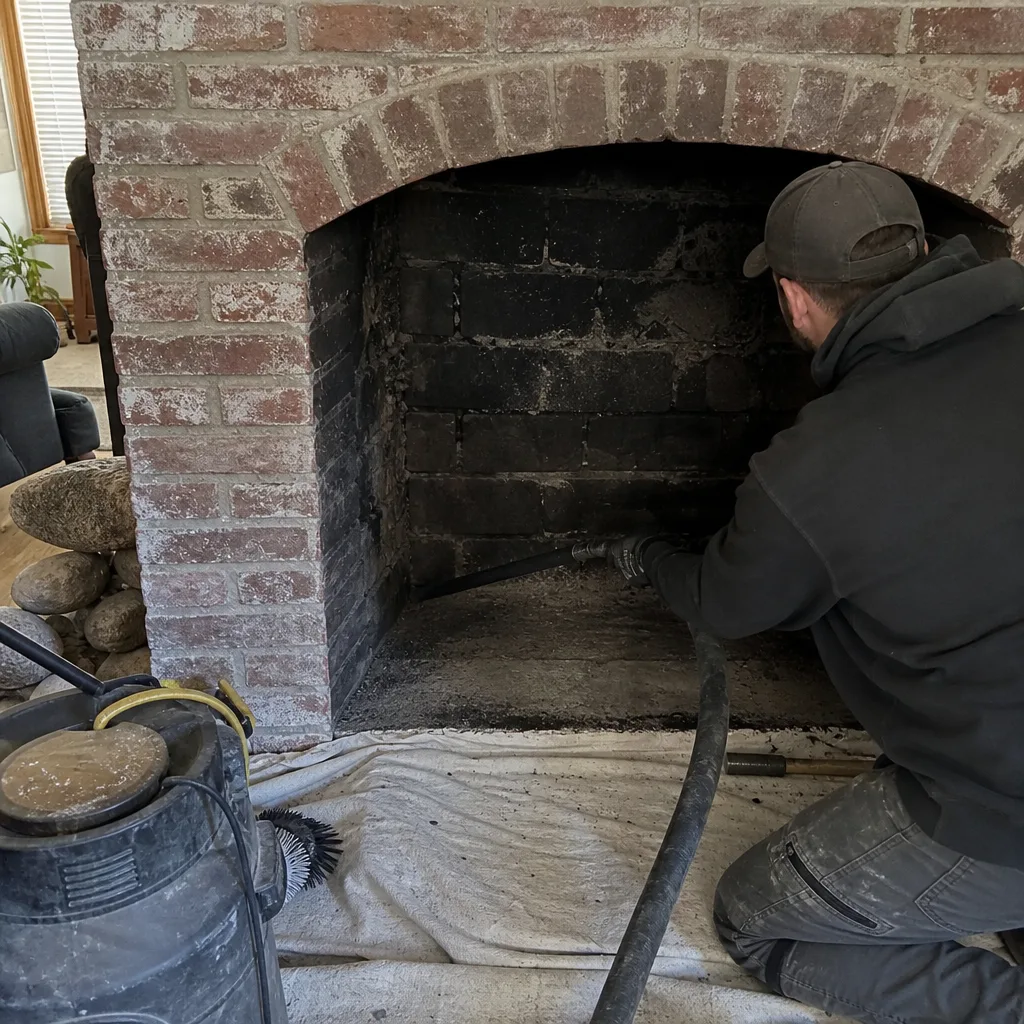
See the difference
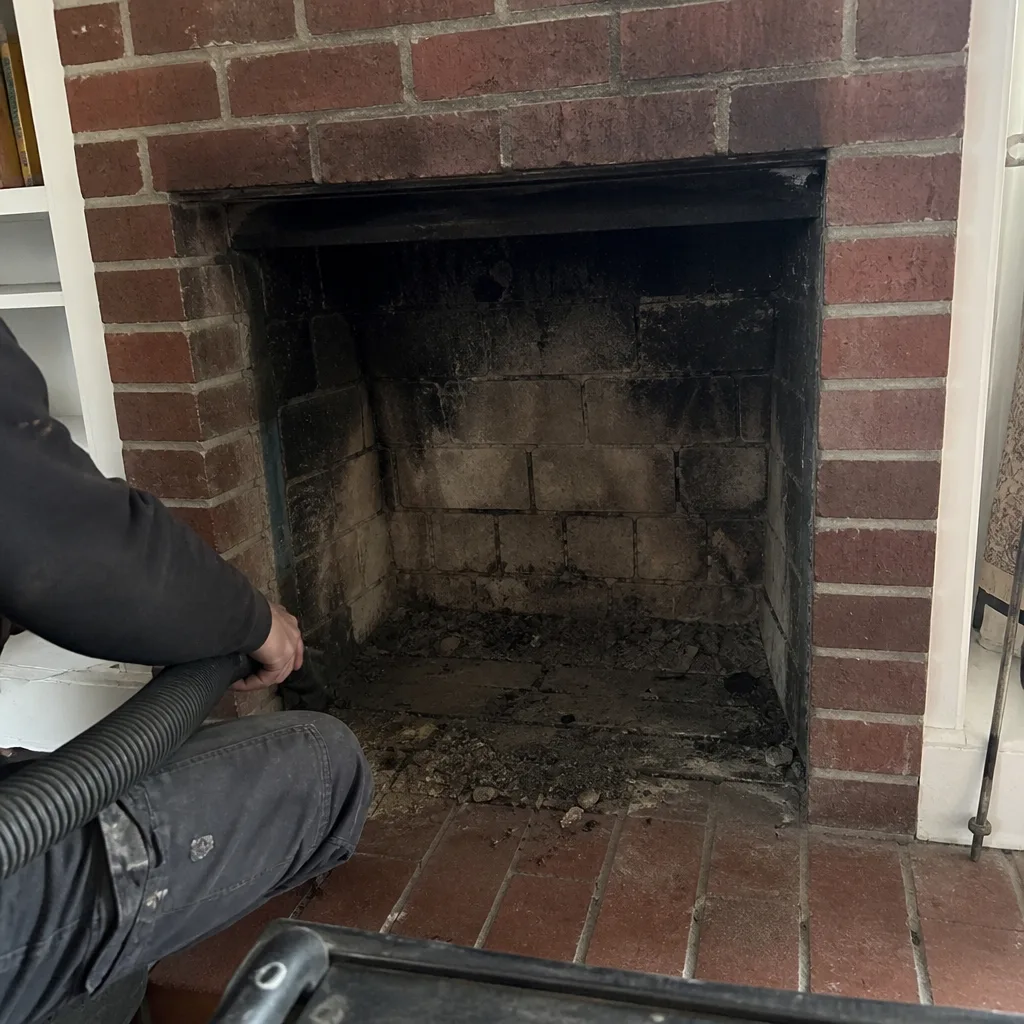 Before
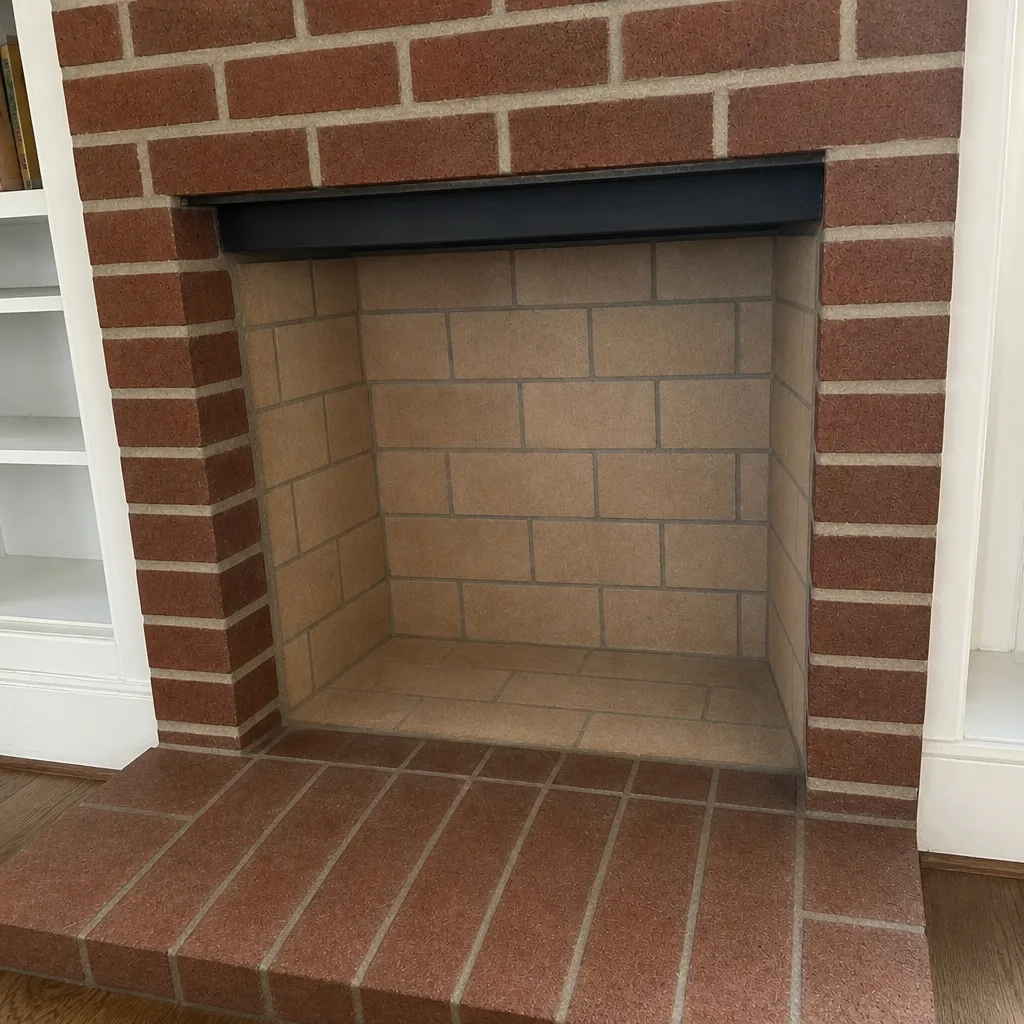 After
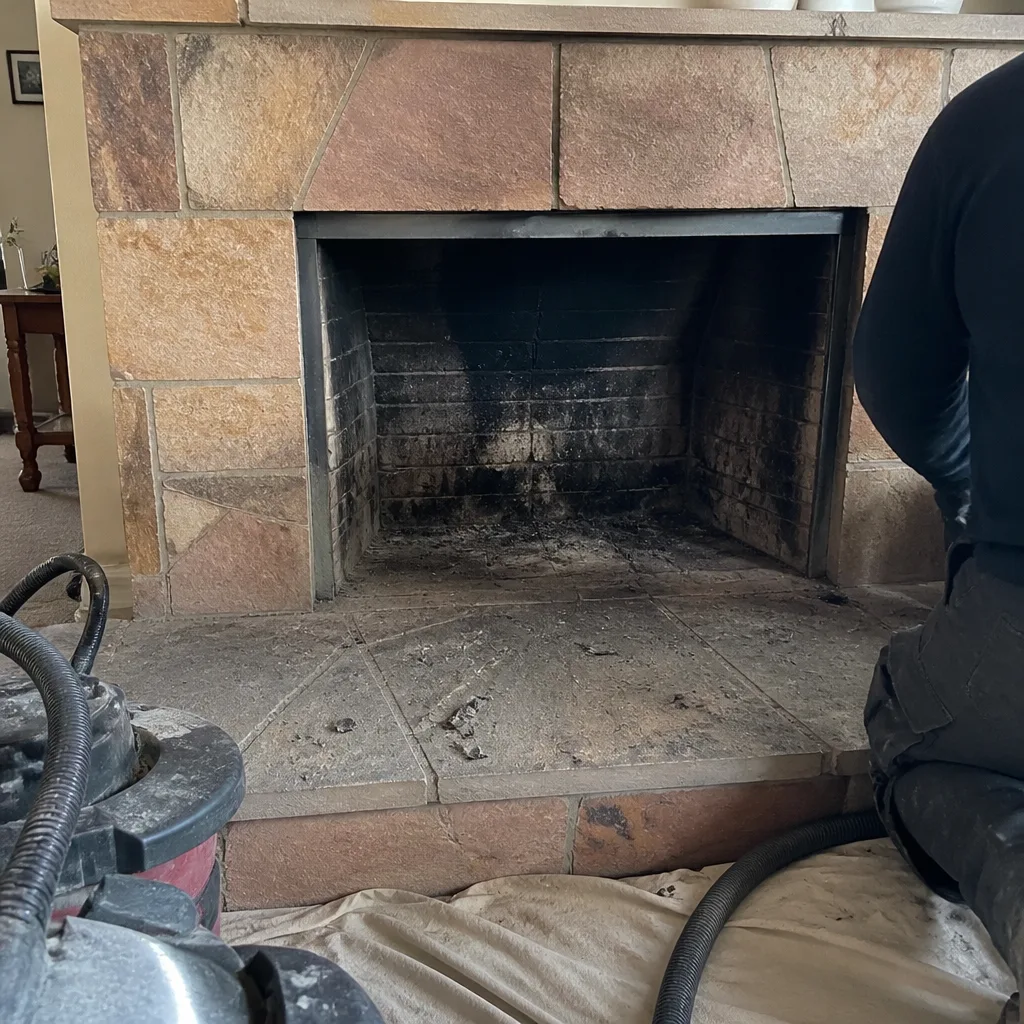 Before
 After
 Before
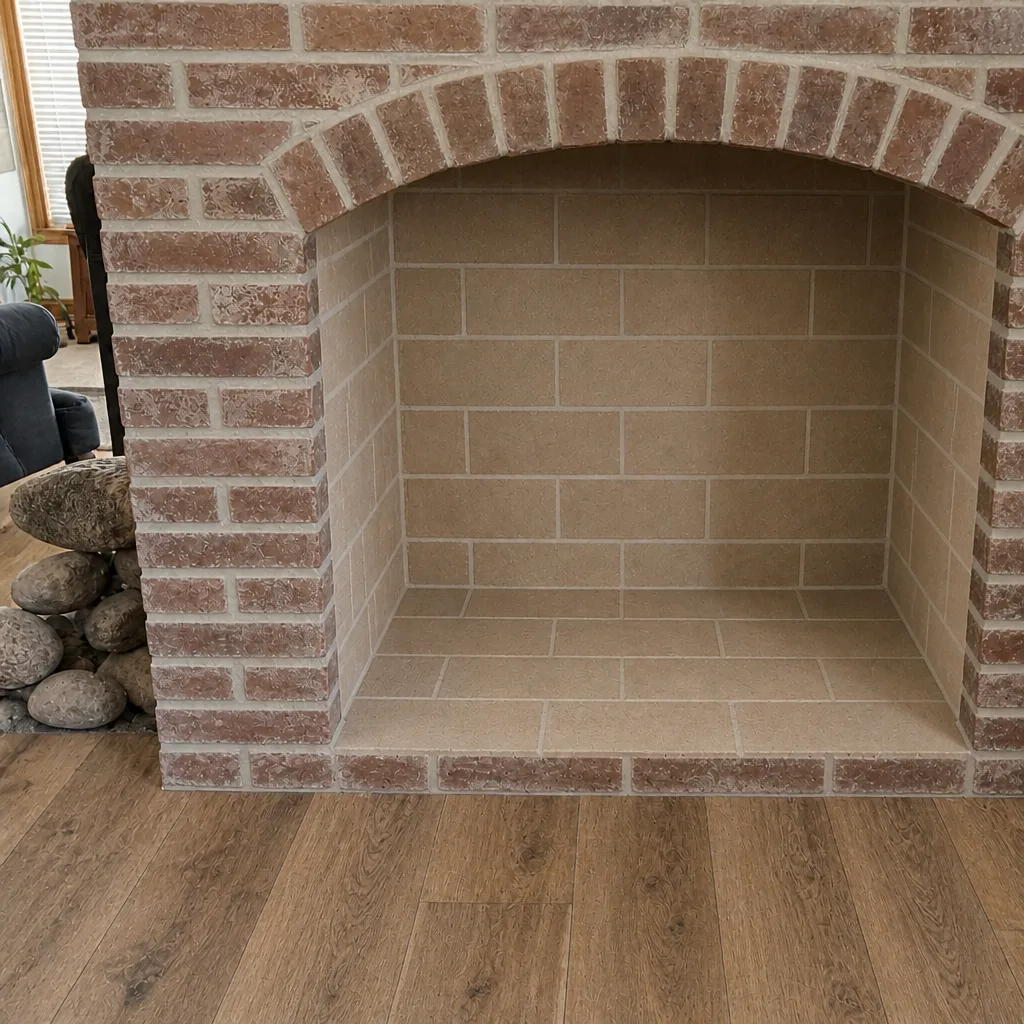 After
When to Call a Professional
Some chimney work is safe for a homeowner to think about and unsafe to attempt. Sweeping and inspection are trained work. Liner repair, relining, and any work on the interior of a compromised flue should be done by a professional, because the failure modes – chimney fire, carbon monoxide, structural collapse – are the ones that matter. Call a professional when: you’ve bought a home and don’t know the flue’s history; it’s been more than a year since the last sweep; the fire smokes back or drafts poorly; you see cracked or missing flue tiles; the crown is cracked or the cap is missing; or a home inspector flagged anything chimney-related. Chimney Sweep Longmont offers free estimates in Longmont – call (855) 360-7080. We answer 24/7. Fast dispatch from 7am to 7pm, Sunday through Friday.
Frequently Asked Questions
A basic chimney sweep in Longmont typically runs $120 to $200, and a sweep bundled with a Level 1 inspection usually falls between $150 and $250. A Level 2 inspection with camera adds $100 to $200. The written estimate sets the final price. Call (855) 360-7080 for an exact quote – estimates are free.
Only if the existing flue can’t be repaired another way. A cracked or spalling clay liner sometimes qualifies for HeatShield resurfacing at $700 to $2,000, which extends life without full replacement. A full DuraFlex or Olympia Chimney reline at $2,800 to $6,500 is the right call when resurfacing won’t hold. The recommendation should always be backed by camera evidence you can see. Call (855) 360-7080 for an exact quote – estimates are free.
Most wood-burning chimneys should be swept once a year, or more often if you burn heavily. Gas appliances have different schedules, and a Level 2 inspection is worth doing periodically even on a clean system. If you’ve never had a sweep, schedule one. Call (855) 360-7080 for an exact quote – estimates are free.
Creosote builds in stages. Stage 1 sweeps out easily. Stage 2 is crusty and needs more work. Stage 3 is glazed and a serious chimney fire risk, requiring specialized removal or relining. Skipping a $150 sweep doesn’t save the money; it moves the cost to a later, larger bill. Call (855) 360-7080 for an exact quote – estimates are free.
Because the scope differs. A $99 quote usually covers a brush and a glance, not a documented inspection. A $350 quote typically covers a full inspection with photos and a written report. Comparing them without knowing that is comparing two different jobs. Call (855) 360-7080 for an exact quote with the scope in writing – estimates are free.
No – they’re separate systems and separate services. Chimney Sweep Longmont offers dryer vent cleaning alongside chimney sweeping because lint buildup is a leading household fire risk that chimney-only companies often skip. Adding it to a scheduled sweep is efficient. Call (855) 360-7080 for an exact quote – estimates are free.
The Bottom Line
Chimney cleaning in Longmont in 2026 costs what it costs because of scope, not margin. A $120 sweep and a $450 sweep aren’t the same product, and the gap is documentation, inspection level, and time on site. The categories that matter most are the ones you can’t see: creosote stage, flue liner condition, and whether the repair recommendation is backed by evidence. Compare quotes by scope and named materials, not price alone. Pay for the inspection, skip the upsell you don’t need, and never skip the sweep. The $150 you save by waiting gets paid back with interest.
Get an Exact Quote for Your Longmont Chimney
Chimney Sweep Longmont works across Colorado’s Front Range, and we handle the full lifecycle of a chimney system: routine sweeping, inspection with documentation, HeatShield resurfacing, DuraFlex and Olympia Chimney liner installations, and dryer vent cleaning. We name the brands we install because you deserve to know what’s going into your home. Professional-grade materials, transparent process, no mystery parts. From the first sweep to a full liner repair, we handle the whole flue. Call (855) 360-7080 for a free estimate. We answer 24/7. Fast dispatch from 7am to 7pm, Sunday through Friday. Or reach us through our main page at Chimney Sweep Longmont.
Written by the team at Chimney Sweep Longmont.