
Last updated November 15, 2026
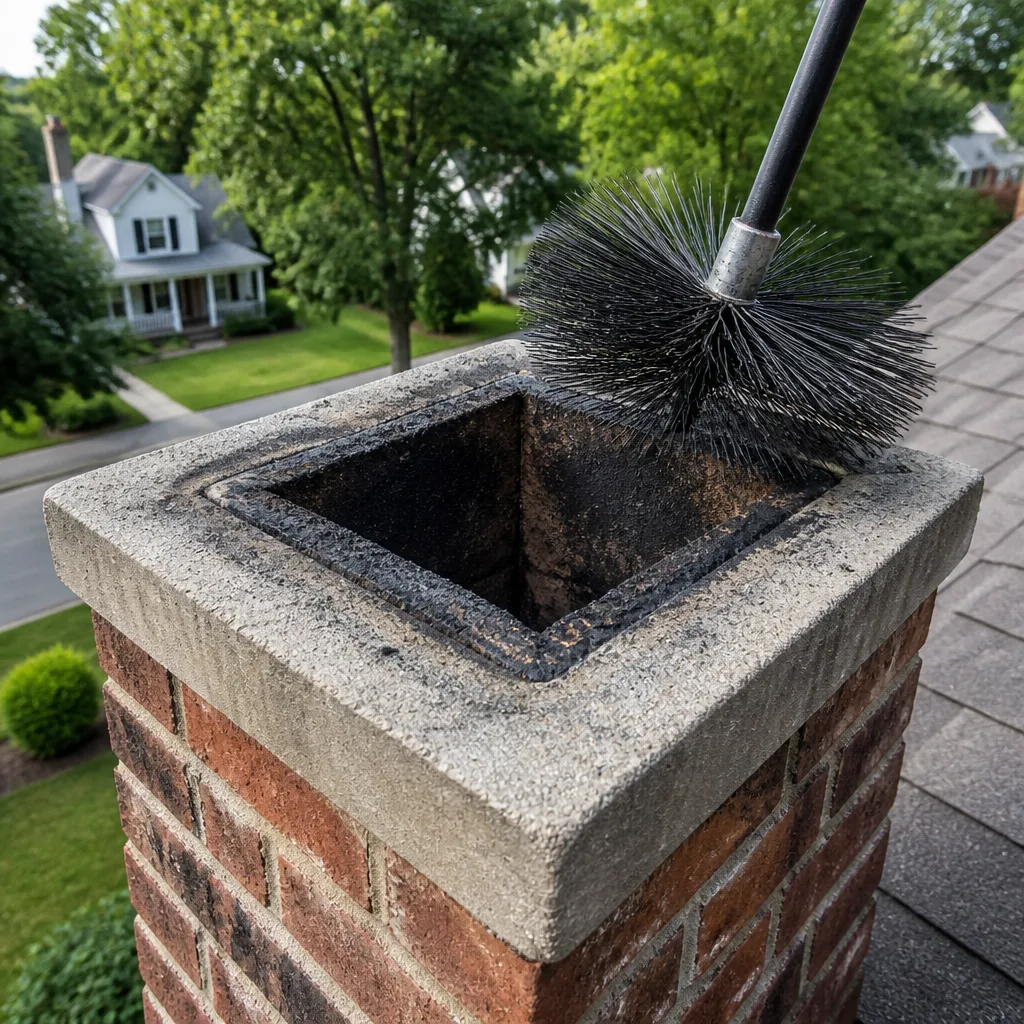 Sweep & inspection
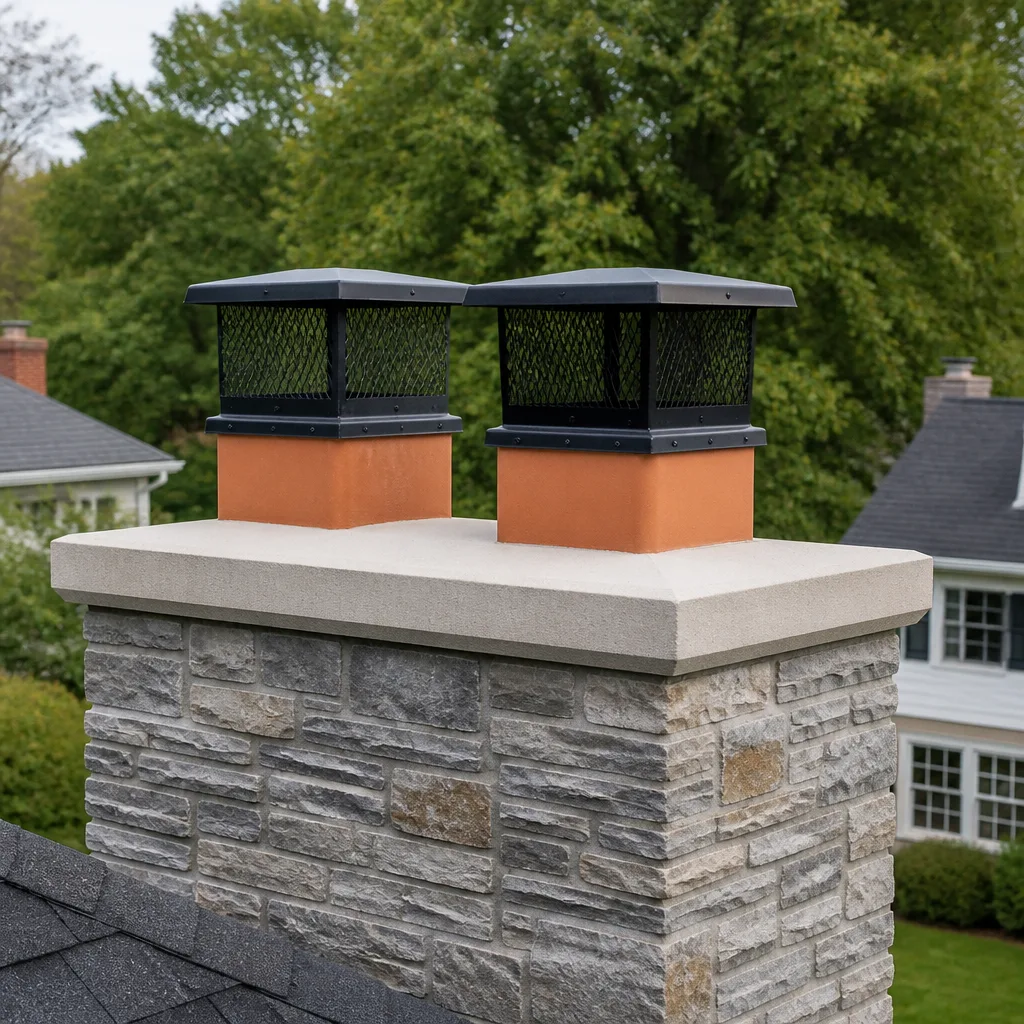 Caps & crowns
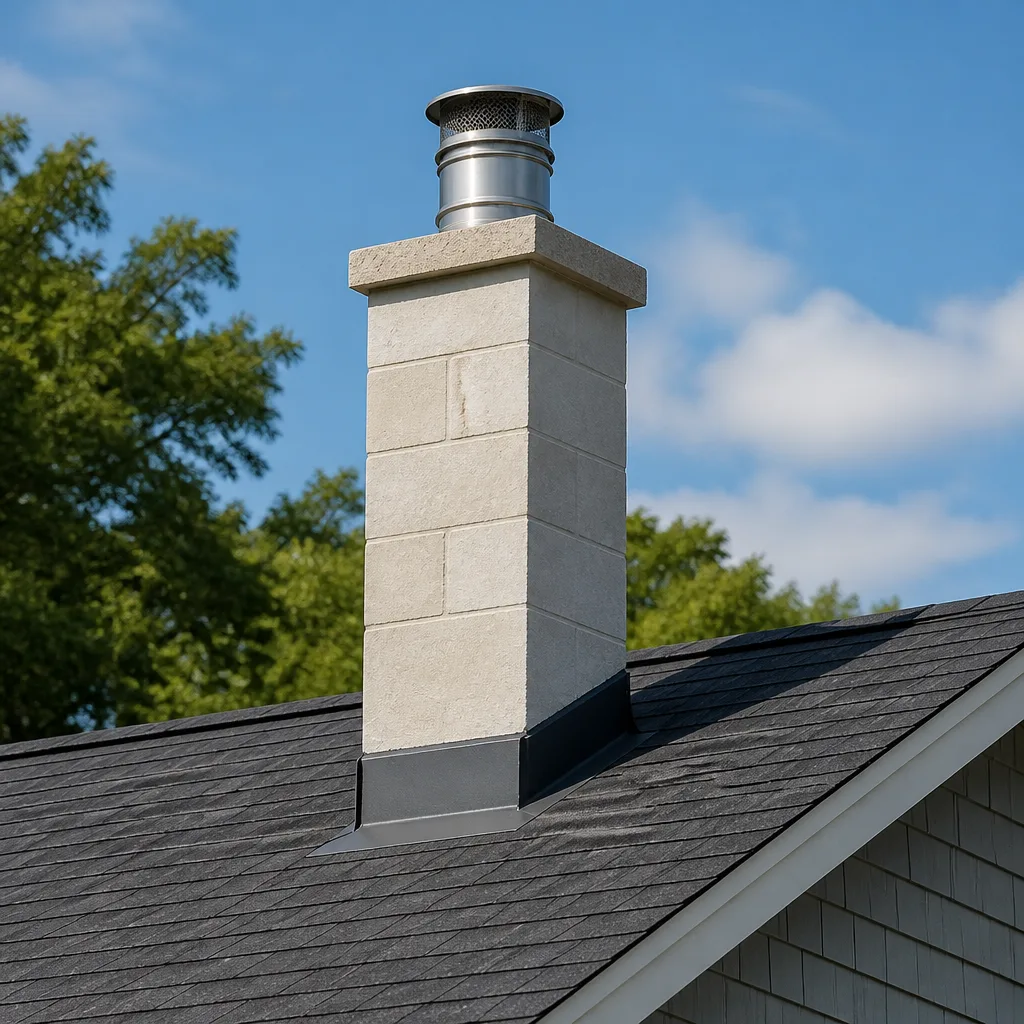 Flue relining
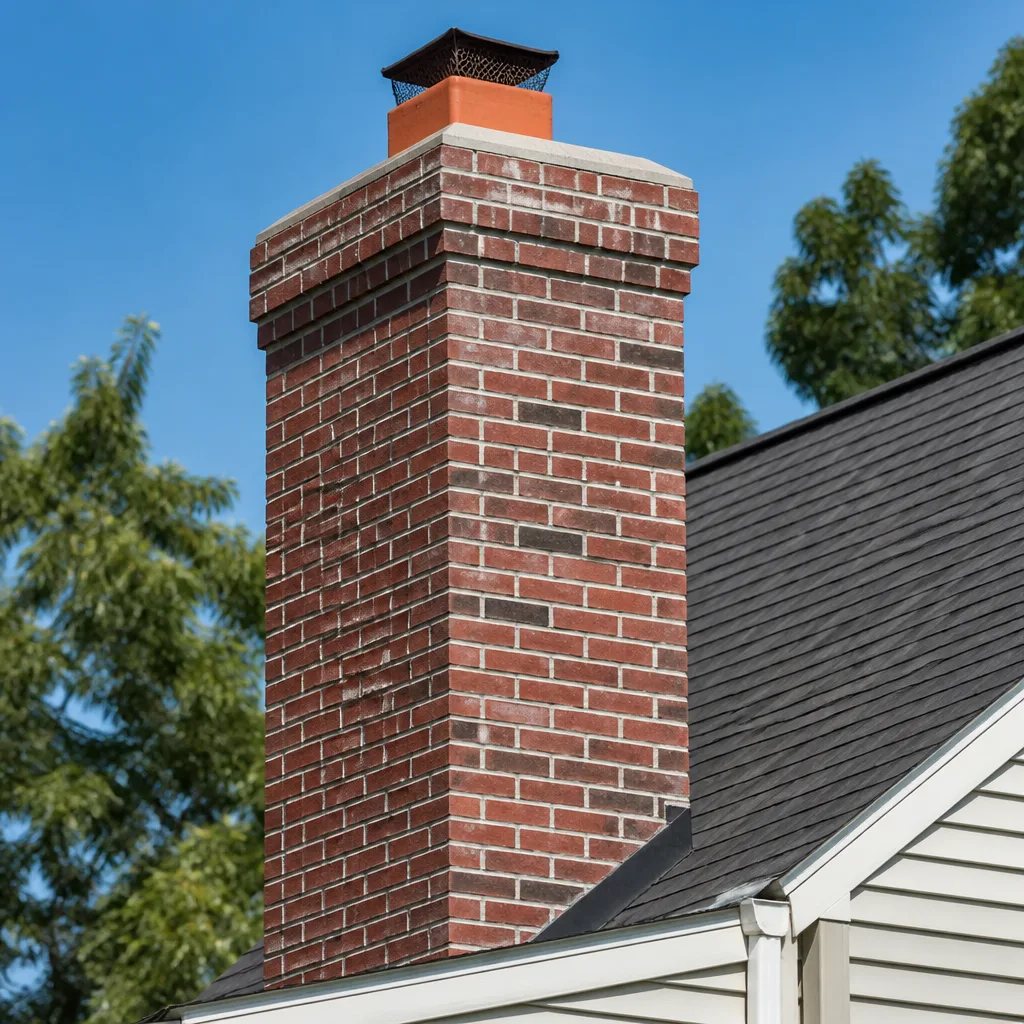 Masonry repair
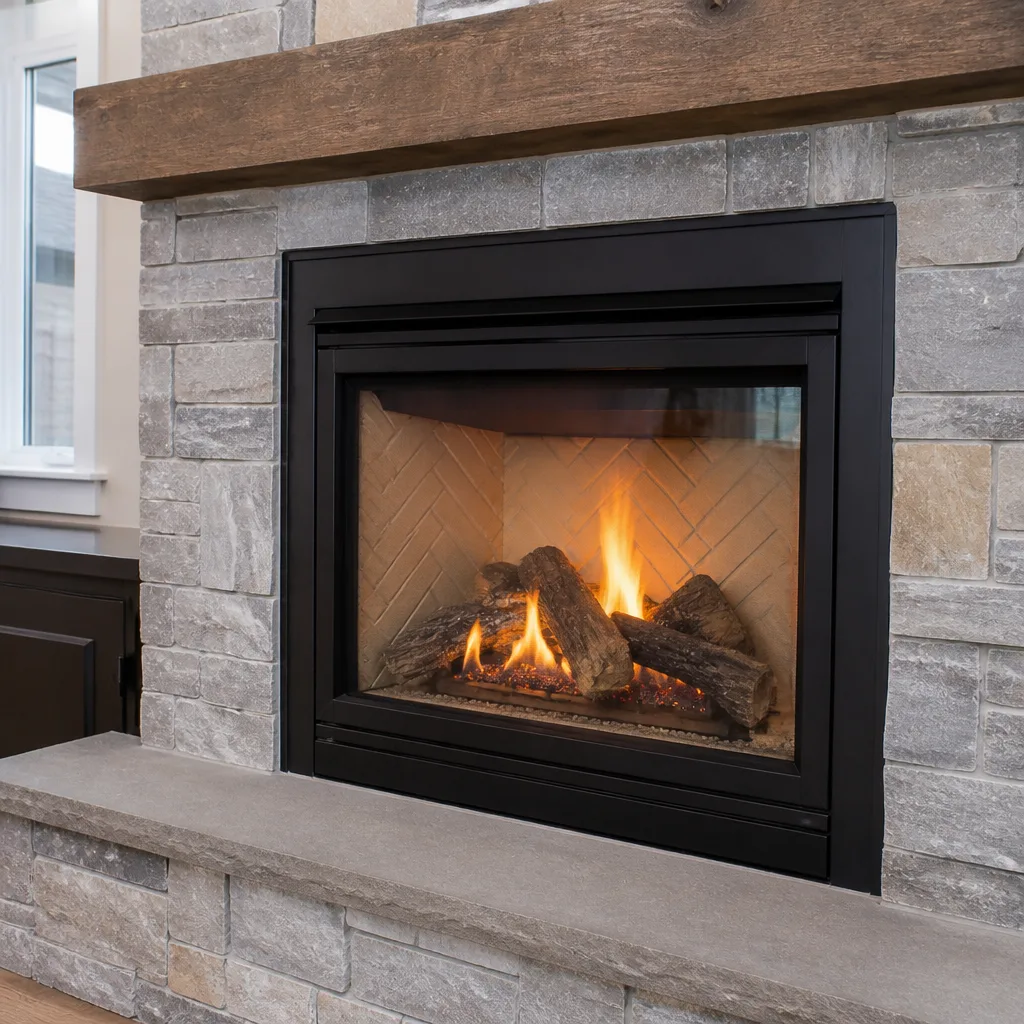 Gas fireplace service
Level 1 sweep and inspection to the NFPA 211 annual standard - flue, crown, cap, and flashing checked and photographed
Chimney sweep logs do not sweep chimneys. They loosen some creosote - which then falls where a brush and vacuum still have to collect it.
Seasonal Chimney Cleaning Care for Longmont: Year-Round Homeowner’s Guide
Most homeowners treat a chimney like a furnace filter: one cleaning a year, whenever it comes to mind. In Longmont, that habit leaves real gaps. Not because a cleaning isn’t enough, but because one cleaning addresses one season’s worth of problems. Summer hail dents a cap, the fall freeze cracks a crown, January’s fire loads the flue with creosote, and spring melt pushes water into the seams that opened over winter. Each of those lands in a different month. This guide walks through Longmont’s four real chimney care windows – pre-season prep, active burn season, post-freeze spring checks, and summer structural work – so you know what to look at and when. It’s written for homeowners in older homes with fireplaces that sat idle for a year or three, and for anyone whose inspection report flagged something they didn’t fully understand.
Quick Answer
Seasonal chimney care in Longmont runs on four distinct windows rather than one annual cleaning: a pre-season inspection and sweep in September before your first fire, mid-season checks if you burn more than a cord, a post-freeze structural look in April and May for crown and flashing damage, and summer for any liner or masonry repair while the chimney is out of use. The most expensive repairs we see trace back to water or hail damage discovered too late, not to creosote.
Styles & brands we work with
- Sweep & inspection
- Caps & crowns
- Flue relining
- Masonry repair
- Gas fireplace service
Table of Contents
- Why Longmont Chimneys Age Differently
- Pre-Season (September): The Window That Matters Most
- Active Burn Season (October-March): When a Second Cleaning Is Worth It
- Spring (April-May): The Post-Freeze Structural Assessment
- Summer (June-August): The Best Time for Liner and Masonry Work
- Wildfire Smoke and Red Flag Days: Draft, Damper, and Embers
- What a Proper Sweep Involves, Season by Season
- Common Mistakes to Avoid
- When to Call a Professional
- Frequently Asked Questions
Why Longmont Chimneys Age Differently
Longmont sits at the edge of the Front Range where the plains meet the foothills, and that geography drives the chimney calendar. You get a lot of sun, hard freeze-thaw cycling from roughly September through April, and the occasional summer hailstorm that arrives without much warning. Each of those leaves a different mark on masonry and metal.
Sunshine sounds harmless. On a chimney, it isn’t neutral. UV breaks down sealants around the crown and flashing faster in a high-altitude, high-sun location than in a cloudy climate, and it dries masonry unevenly, which stresses the joints. Meanwhile the freeze-thaw cycle works on whatever moisture has already gotten in. Water seeps into a hairline crack during a warm afternoon, drops below freezing overnight, expands, and widens the crack. Repeat that forty or fifty times across a single winter and a crack you couldn’t see in October becomes a channel you can slide a putty knife into by March.
Longmont also has a housing stock that spans a wide range of ages, from mid-century ranch homes with original clay-tile flues to newer builds with factory-built fireplaces. The old ones often have liners that were never designed for modern stove efficiency. The newer ones have their own issues, usually around flashing and cap fasteners. Either way, the seasonal schedule below gives you a way to catch problems at the point where repair is still small.
Pre-Season (September): The Window That Matters Most
September is the highest-value month on this calendar, and it’s the one most homeowners skip. The reasoning is simple: everything that happened over the previous twelve months is now visible and still fixable before you need the chimney to work. A sweep and inspection in September catches summer hail damage, dried-out seals, and any liner deterioration from last season, all while there’s still time to book repair work without rushing it. Once the first cold snap hits, schedules tighten and every fireplace owner in Longmont calls at once.
Here’s what should be completed before your first fire of the season:
- Sweep the flue. A professional chimney sweep removes creosote, soot, and any debris that dropped in over the summer – bird nests, wasp nests, leaves. You get a photo report of what the flue actually looks like.
- Test the damper. The damper should open, close, and seat fully. A damper that sticks open sends heat up the flue all winter. One that sticks closed traps smoke in the room.
- Inspect the liner. Clay tile liners crack. Metal liners corrode at the seams. A camera inspection shows the actual condition rather than guessing from the firebox.
- Check the cap and spark arrestor. After summer hail, the cap is the first thing to look at. Dented or loosened caps let water in, and water is the single most destructive thing that happens to a chimney.
- Look at the crown and flashing. The crown is the concrete cap on top of the masonry. The flashing is the metal seal where the chimney meets the roof. Both crack and separate with age and weather.
- Confirm clearance and venting. A quick check that nearby combustibles and the firebox are clear, and that gas appliances vent correctly.
Why September specifically? Because the weather is still workable for repairs, the masonry is dry enough to accept sealants and patching materials, and you’re not competing with everyone who waited until the first freeze. A cap resealed in September is a different job from a cap resealed in January, when the material won’t cure properly and the masonry is holding moisture.
Active Burn Season (October-March): When a Second Cleaning Is Worth It
If you burn a cord or less per season, the September sweep is usually your only cleaning for the year. Some homes need two. The determining factors are how much wood you burn, what species, and how you run the fire.
- Cord count. Around two cords or more in a single season is the usual threshold where a mid-season or end-of-season inspection starts making sense. Below that, the September sweep generally covers the year.
- Wood species. Softwoods like pine and fir produce more creosote per cord than hardwoods like oak or ash. If you’re burning a lot of softwood, plan for closer attention to the flue.
- Fire behavior. Smoldering, low-air fires deposit far more creosote than hot, active fires. A damper left half-closed all evening is the most common cause of heavy buildup we see.
- Draft quality. A chimney that draws poorly runs cooler, which means more condensation inside the flue and more creosote.
Mid-season warning signs worth taking seriously, in Longmont’s burn season specifically:
- Smoke rolling into the room when you open the glass or the fire is lit.
- A noticeable decrease in draft compared to earlier in the season.
- A strong, sharp smell of creosote in the house, especially on warmer days.
- Visible soot on the firebox walls or on the glass that builds up faster than usual.
- Any sign of water staining inside the firebox after a snowmelt or rain event.
If any of those show up, stop burning until someone looks at the flue. Creosote in a hot fire is genuinely dangerous, and this is the one area of chimney care where we don’t suggest waiting. For anything else, a mid-season call can usually be handled without shutting down your fireplace for long.
Spring (April-May): The Post-Freeze Structural Assessment
Spring is when Longmont’s freeze-thaw cycle shows what it did over the winter. April and May are the right months because the ground has thawed, the roof is safe to access, and you can see the damage before summer heat dries it into something harder to diagnose. This is the assessment window, not the sweep window. Your flue was cleaned in September or later; by spring, the service chimney cares about is the structure around it.
What we look for in a spring assessment:
- Crown cracking. The concrete crown on top of the chimney takes every freeze and thaw. Hairline fractures in fall become open cracks in spring. A cracked crown lets water straight into the masonry below it.
- Flashing separation. The metal flashing at the roof-to-chimney joint lifts and pulls as the roof and chimney expand and contract at different rates. A separated flashing is the source of most interior leaks near a chimney.
- Mortar spalling. Mortar joints that absorbed water over winter will flake and crumble once the thaw sets in. Spalling is the visible sign that the masonry has been wet and freezing repeatedly.
- Efflorescence. The white powdery staining on the outside of a chimney is salt pushed out of the masonry by moisture migrating through it. It’s a sign, not a cause, but it tells you water is getting in somewhere.
- Cap and crown fasteners. Hail doesn’t just dent the cap; it can work screws loose over a season. A cap that’s no longer tight is no longer keeping water out.
If any of those turn up, the repair is often straightforward in May and much harder by October. Water intrusion is a compounding problem: the longer a crack sits open, the more freeze-thaw cycles it goes through, the more masonry softens, and the larger the eventual repair.
Summer (June-August): The Best Time for Liner and Masonry Work
An unused summer chimney gets treated like furniture. It shouldn’t. Summer is the best time to do liner and structural work, and there are two practical reasons why.
First, the chimney is out of service anyway, so a multi-day repair doesn’t cost you a fire. Second, the weather cooperates with materials. Patching compounds, crown sealants, and liner cements all cure more reliably in warm, dry conditions than in shoulder-season cool or winter cold. Schedule a structural repair in July and you’re done before October. Schedule the same repair in November and you’re waiting on weather while you’d rather be burning.
Summer is also when we suggest you look at moisture intrusion rather than just water damage. The signs are quieter in summer: occasional dampness at the firebox floor, a musty smell in the room, paint bubbling on the chimney chase, or a rust line on the damper. None are emergencies. All are early indicators that should be checked before the fall.
For liner work specifically, summer is often the easiest time. Aging flues that have lost integrity can be relined with a flexible stainless system – we install DuraFlex flexible liners, which are the professional standard for relining compromised or outdated flues. In cases where the existing liner is still sound but has cracks or gaps that need resurfacing rather than full replacement, HeatShield liner resurfacing extends the life of the flue without the cost and disruption of a complete reline. Both are summer-friendly jobs. Both need to be decided on evidence from a camera inspection, not from a guess. No repair is recommended without photos you can look at yourself.
While you’re thinking about summer air quality, this is also the right season to look at your dryer vent cleaning. Lint accumulation in a dryer vent is one of the most common household fire hazards, and most chimney-only companies don’t touch it. It’s a good pairing with a summer chimney inspection – one visit, two safety concerns handled.
Wildfire Smoke and Red Flag Days: Draft, Damper, and Embers
Front Range summers bring smoke. Longmont gets wildfire smoke events with enough regularity that it’s worth knowing how they change how you use your chimney, not just how they change air quality outside.
During a smoke event or Red Flag day, the practical concern is twofold: smoke entering the house through a passive chimney, and embers entering from outside. Here’s the short version.
- Close the damper when you’re not burning. A passive chimney draws air from the house to the outside all the time. On a heavy smoke day, that draw pulls smoke down into the firebox and into the room. Closing the damper and sealing the firebox glass reduces it substantially.
- Close the firebox doors. Even with the damper closed, gaps around a firebox door let smoke slip in. A closed door with good gaskets is your next line of defense.
- Check for ember screens on the cap. A screened cap or spark arrestor keeps wind-driven embers from entering the flue. A cap without a screen on a Red Flag day lets embers in, and embers landing in a flue with creosote on the walls is exactly the wrong thing.
- Don’t burn during a smoke event. If the air quality is poor, adding smoke to it is a bad trade. Save the fire for a cleaner day.
- Inspect the cap after a smoke event. Embers can leave soot on the cap and screen. If the screen has soot or debris buildup, it blocks draft on your next fire.
None of this requires a service call. But if you notice the chimney drawing badly after a smoke event, or if smoke continues to come into the room after the damper is closed, that’s a sign the cap or damper needs an actual look.
What a Proper Sweep Involves, Season by Season
Some homeowners think a sweep is a guy with a brush and a drop cloth. In practice, a modern sweep is a diagnostic visit as much as a cleaning, and the diagnostics change by season. Here’s what a professional sweep should look like at each point in the year.
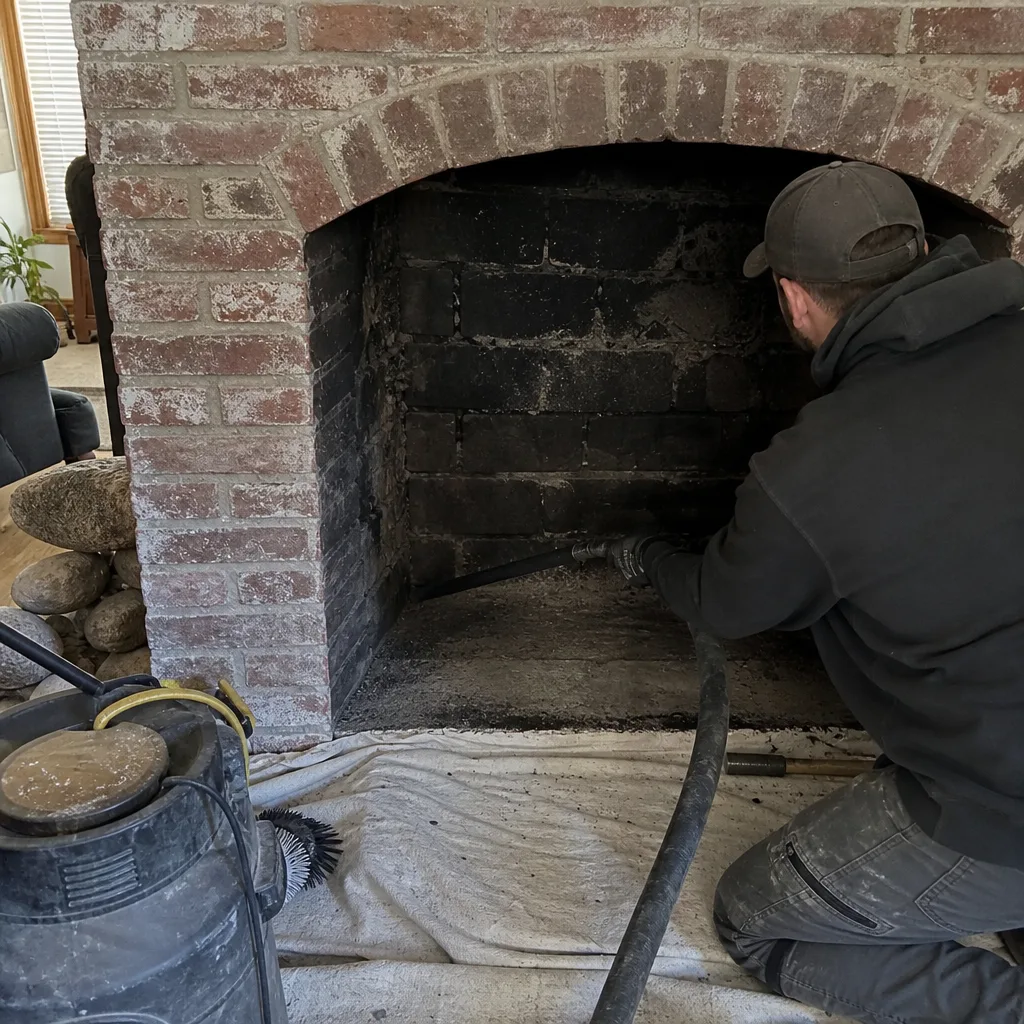
- Setup and protection. Drop cloths over the hearth and surrounding floor. A running vacuum near the firebox to keep dust contained.
- Access check. Firebox, damper, and flue access confirmed before any tools go in.
- Brush sweep. The flue is brushed top-down or bottom-up depending on configuration, with the correct brush size for the flue. Rods, not force.
- Camera inspection. A closed-circuit camera goes down the flue so you can see the liner condition, joints, and any creosote left behind. You should see the photos.
- Structural look. Firebox, damper, smoke chamber, crown, cap, and flashing – depending on season, the emphasis shifts.
- Written findings and photo report. Not just “your chimney is clean.” An actual condition report, with photos, and any recommendations.
- Fixes on the same visit where possible. A cracked cap gasket, a stuck damper, a loose fastener – if it can be handled during the sweep, we do it. That’s why we handle repair and cleaning under one roof.
For more about the service itself and what’s included, see our main Chimney Sweep Longmont page. The point of a seasonal approach is that the diagnostics shift with the calendar. A September sweep is checking different things than a May assessment.
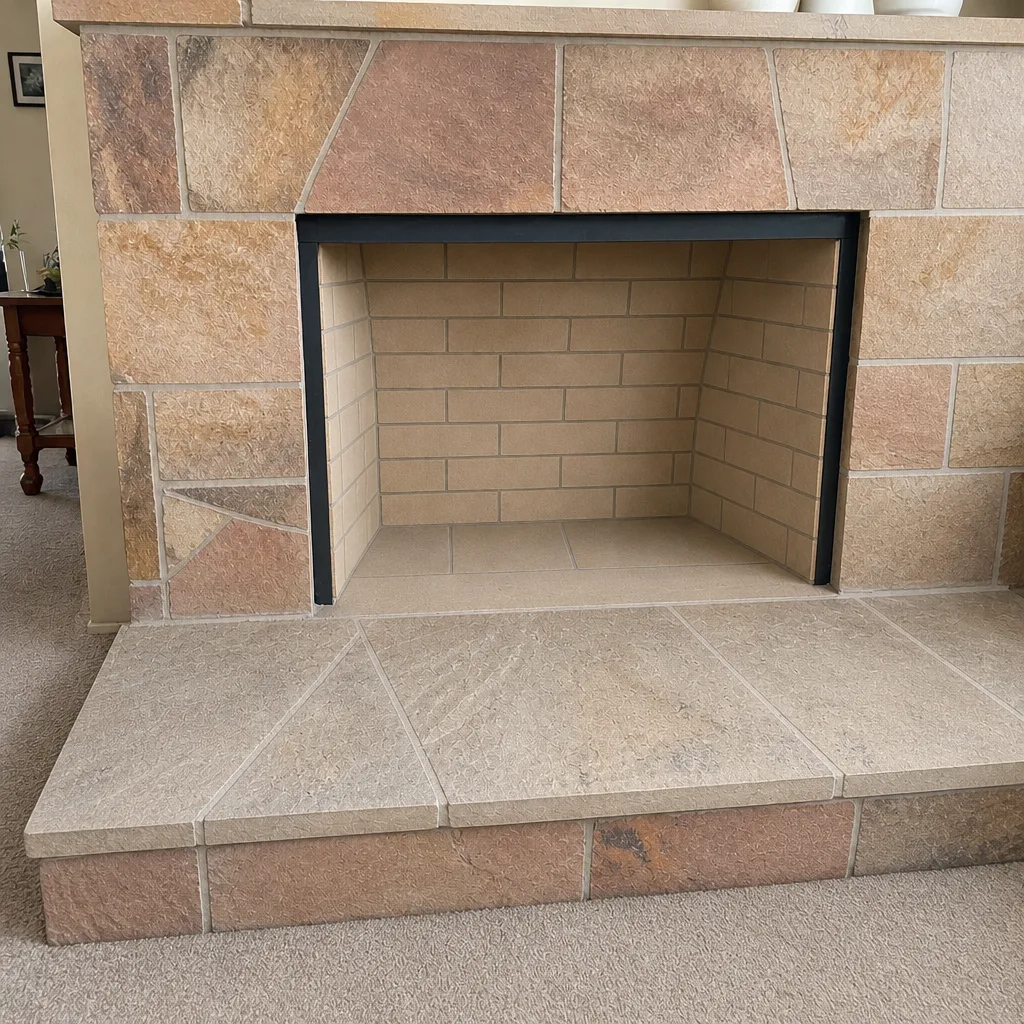
See the difference
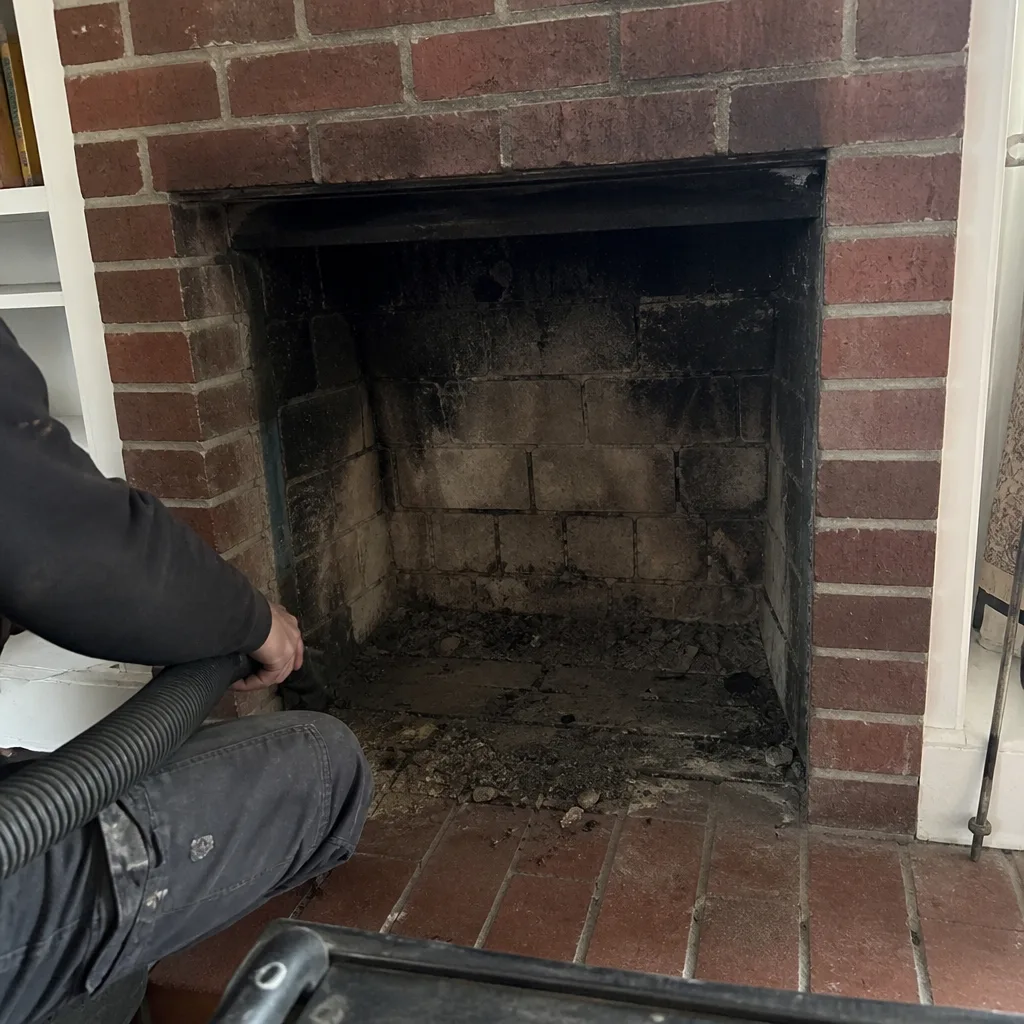 Before
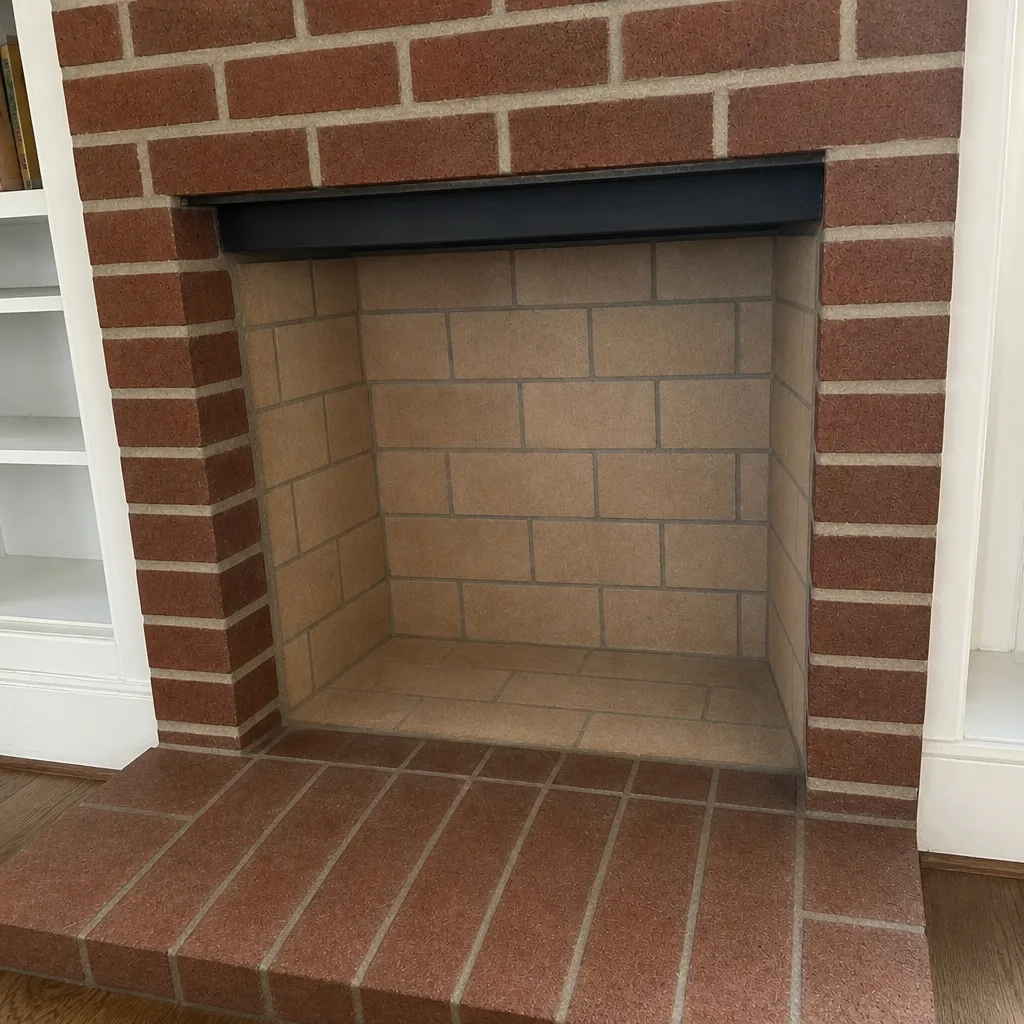 After
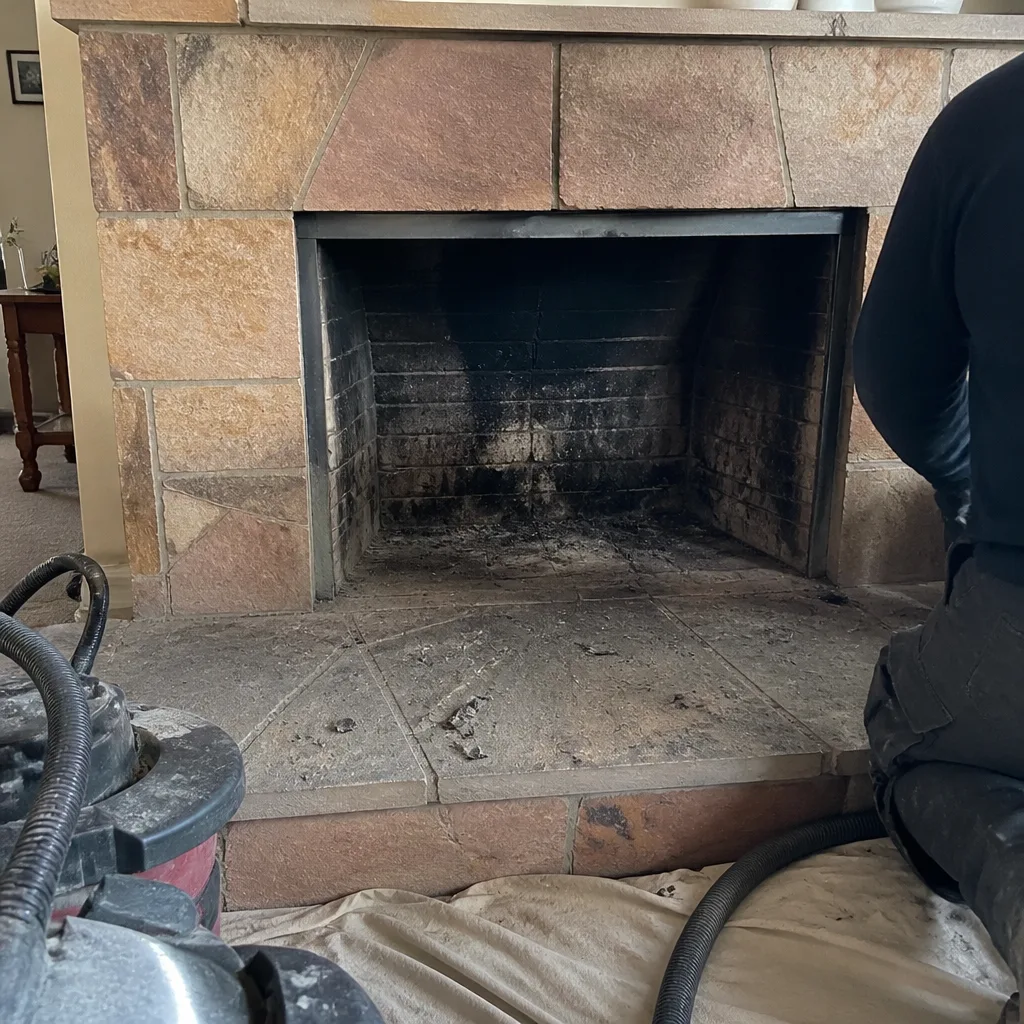 Before
 After
 Before
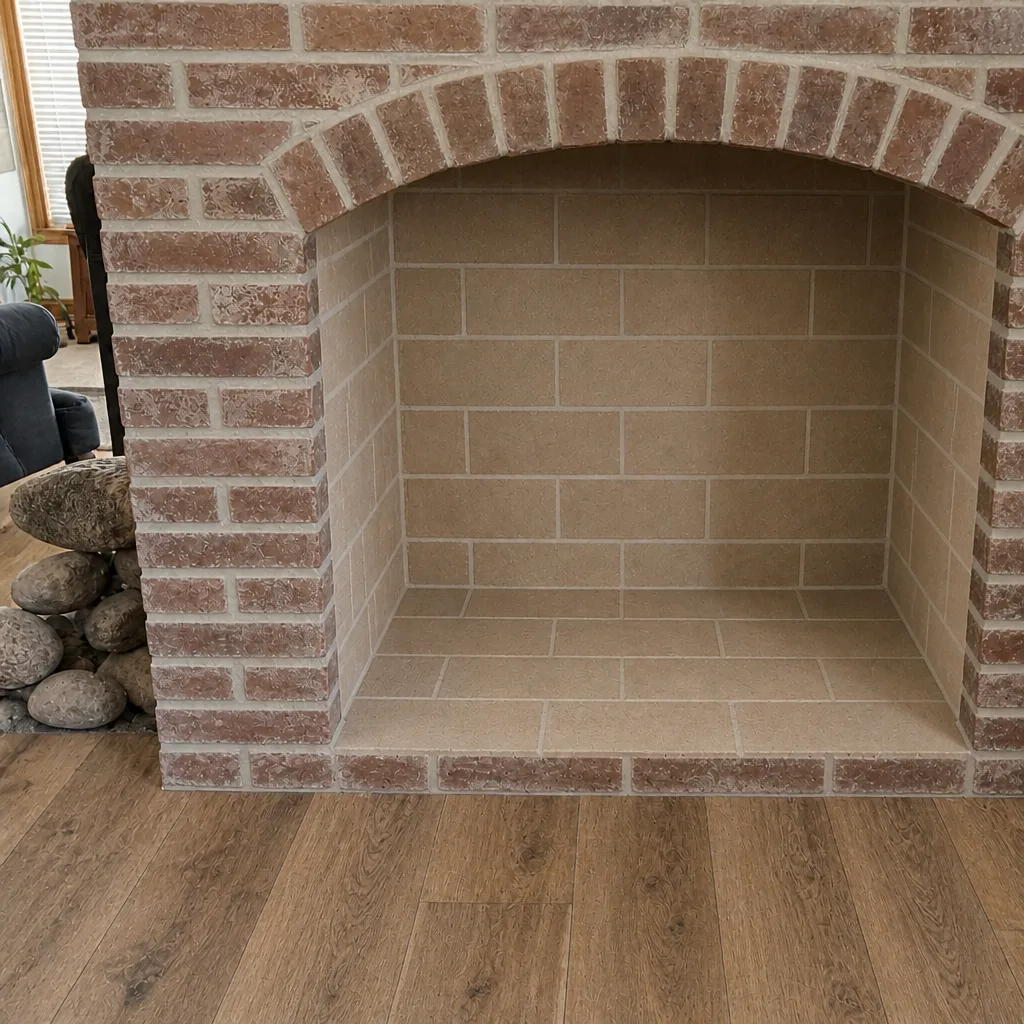 After
Key Takeaways
- One annual cleaning isn’t enough. Longmont’s climate produces problems in four distinct windows, each needing different attention.
- September is the highest-value month – sweep, inspect, and repair while weather and schedules allow it.
- Spring is the structural assessment window, when freeze-thaw damage from winter becomes visible.
- Summer is the right season for liner and masonry work, both because the chimney is out of use and because materials cure properly.
- Wildfire smoke events call for closed dampers, sealed fireboxes, and a screened cap.
- Every repair recommendation should come with camera photos you can see for yourself. Water damage, not creosote, is the most common cause of expensive chimney repairs.
Common Mistakes to Avoid
- Skipping the September sweep because the fireplace worked fine last year. “Worked fine” in January says nothing about what happened to the cap, crown, or flashing over the summer. Hail damage and seal deterioration are invisible from inside the house.
- Cleaning once and calling it done. A single annual cleaning misses the spring and summer problems that are actually the most expensive ones. A crack in April costs a fraction of what a full crown rebuild costs in October.
- Assuming a cap is intact because it looks fine from the ground. Longmont’s hailstorms dent caps, loosen screws, and crack cap seals. Damage isn’t visible from forty feet down.
- Burning softwood without accounting for creosote. Pine and fir produce more creosote per cord than hardwoods. If that’s your fuel, plan the schedule accordingly.
- Leaving the damper open on Red Flag days. A passive chimney draws smoke down into the room during a smoke event. Closed damper, closed firebox, screened cap.
- Waiting until winter for a liner replacement. A summer reline is a well-scheduled job. A November reline is a rush job. Same work, different experience and different price landscape.
- Choosing a sweep that doesn’t show you photos. Every recommendation, whether for a cleaning or a liner, should be backed by a camera inspection you can look at yourself. No evidence, no repair.
When to Call a Professional
Some chimney care you can assess yourself: closing the damper on a smoke day, checking for smoke stains after rain, or noting a musty smell in summer. But several situations always warrant a call. Any visible smoke rolling back into the room when the fire is lit. A strong creosote smell, especially outside the burn season. Water staining inside the firebox or on the chimney chase. A cap that looks bent, lifted, or loose after a hail event. A home inspection that flagged a liner concern. New ownership of an older home where the chimney hasn’t been serviced in an unknown number of years. And any time you’ve had a chimney fire, even a small one – the flue needs a full inspection afterward.
Chimney Sweep Longmont offers free estimates in Longmont – call (855) 360-7080. We answer 24/7, with fast dispatch from 7am to 7pm, Sunday through Friday. We’re closed on Saturday. We’re experienced with the professional-grade brands that matter for a Longmont repair – DuraFlex, HeatShield, Gelco, Olympia Chimney, Famco, and Copperfield – and we name what goes in your flue so you know exactly what you’re getting.
Frequently Asked Questions
Once per year is the baseline for a wood-burning fireplace, usually in September before the burn season starts. Homes burning more than roughly two cords per season, burning a lot of softwood, or running fires with the damper mostly closed may need a mid-season inspection as well. Gas fireplaces still need an annual inspection even without a sweep, since the flue can collect debris and the cap and crown still take weather damage.
Skipping one year usually means more creosote in the flue and more time for a small crack in the crown or cap to become a serious water problem. Skipping three or four years compounds both: creosote load grows toward a fire risk, and water damage that could have been patched becomes a masonry repair. The financial risk of water intrusion is the larger one in this climate, and it’s also the harder one to see from the ground.
A liner needs replacement when the camera inspection shows cracks, gaps, or corrosion severe enough that the flue can’t safely contain the fire. A liner that’s still sound but has surface issues that need repair can often be resurfaced instead of replaced. We use HeatShield liner resurfacing for that middle case, and DuraFlex flexible liners when replacement is genuinely needed. Nothing is recommended without a camera inspection and photos you can see. If the liner is fine, we tell you it’s fine.
Longmont’s combination of intense sun, hard freeze-thaw cycling, and summer hail is unusually hard on exterior chimney materials. Freeze-thaw is the largest factor – it works on any moisture that gets into masonry, and it cycles far more often here than in a climate with a single extended freeze. The practical outcome is that crowns, flashing, and mortar joints age faster than the interior of the flue does, which is why the seasonal schedule puts structural checks in spring and summer.
Summer. June through August is the ideal window because the chimney is out of use, the weather is reliable for curing materials, and the schedule isn’t crowded with pre-season sweeps. A well-scheduled summer reline gets finished before you’d want to burn, without the pressure of a cold snap forcing a rush job.
It’s a related household fire-safety service, and we offer it alongside chimney work. Lint accumulation in a dryer vent is one of the most common fire hazards in a home, and most chimney-only companies don’t handle it. Pairing a summer chimney inspection with a dryer vent cleaning is a practical way to address two safety concerns in one visit. Call (855) 360-7080 for a free estimate on either service.
The Bottom Line
A chimney in Longmont doesn’t have one season. It has four, and each one leaves its own kind of wear. September matters most because everything that happened over the year is still fixable, and the weather still cooperates. Spring is the structural check, when the freeze-thaw cycle’s damage becomes visible on the crown, flashing, and mortar. Summer is when liner and masonry work should get scheduled, while the chimney is out of use and materials cure properly. And burn season is when you watch the fire’s behavior rather than the structure. Do all four and chimney care becomes routine. Do one and it becomes a repair.
If you want a seasonal assessment or you’ve got a question your home inspection turned up, call (855) 360-7080 for a free estimate. We answer 24/7, with fast dispatch from 7am to 7pm, Sunday through Friday. Our technicians have up to 9 years of experience with the professional brands that matter – DuraFlex, HeatShield, Gelco, Olympia Chimney, Famco, and Copperfield – and we show you the camera evidence behind every recommendation.
Written by the team at Chimney Sweep Longmont.