
Last updated November 15, 2026
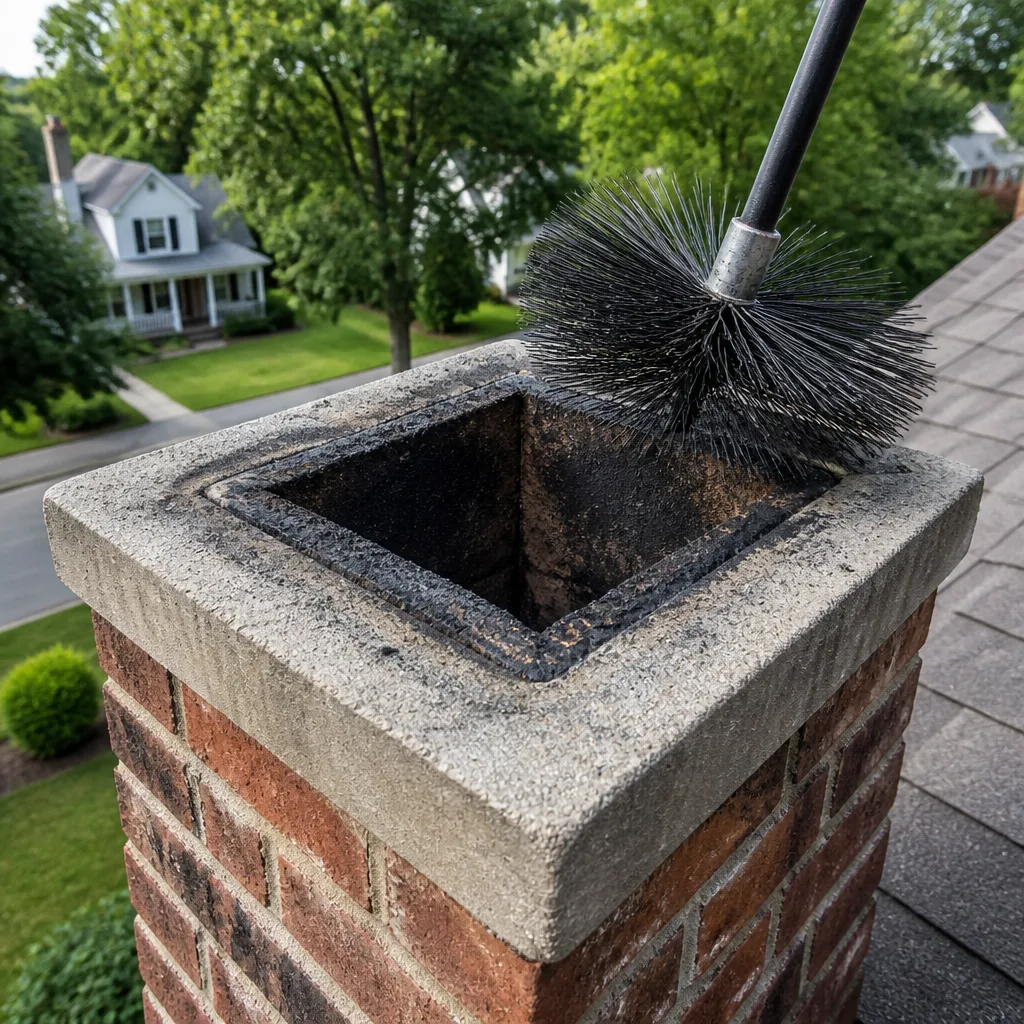 Sweep & inspection
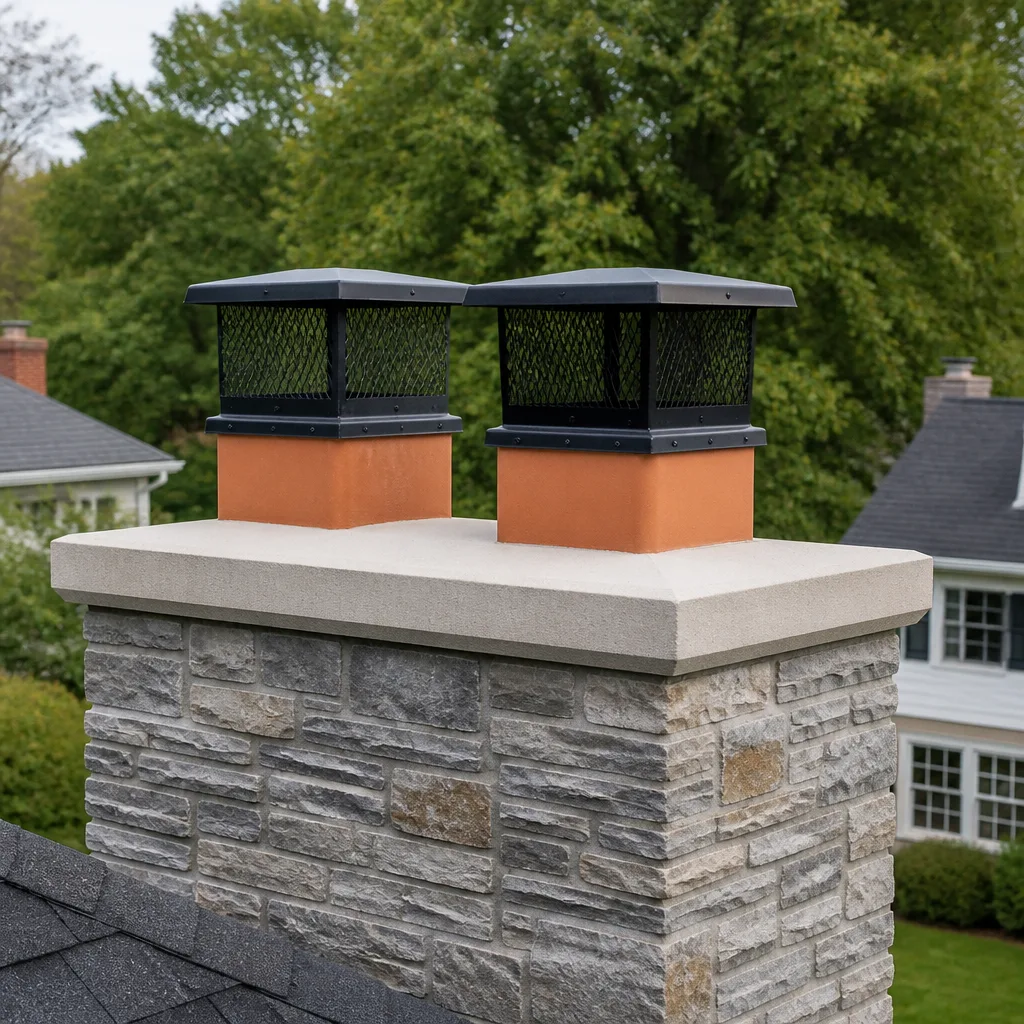 Caps & crowns
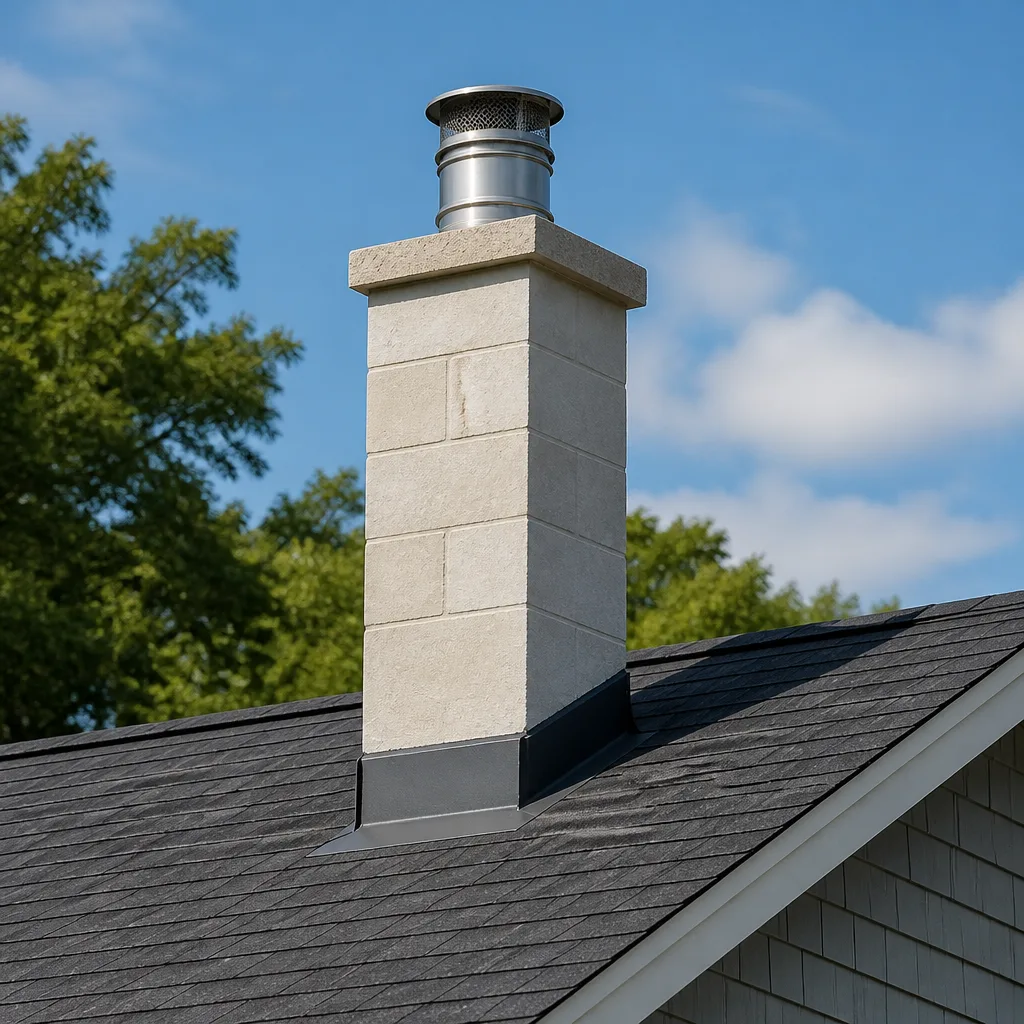 Flue relining
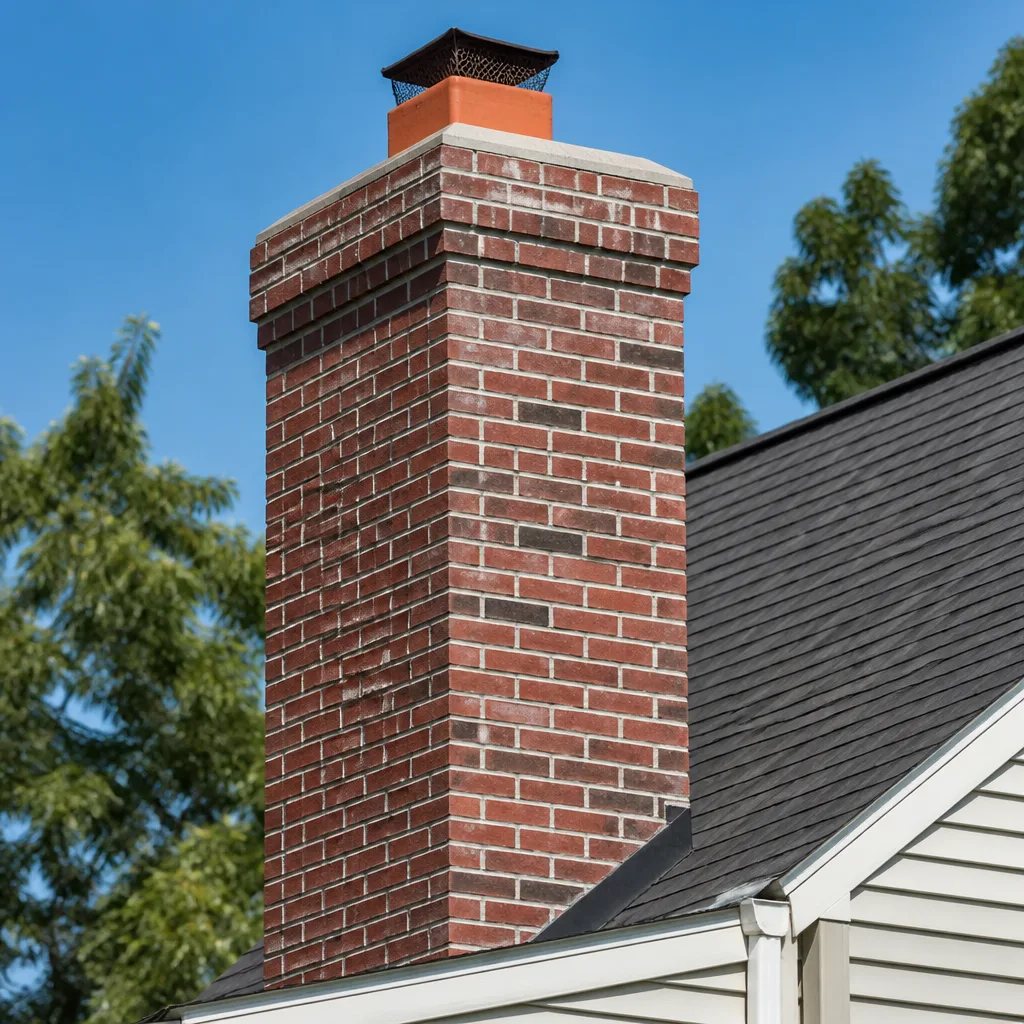 Masonry repair
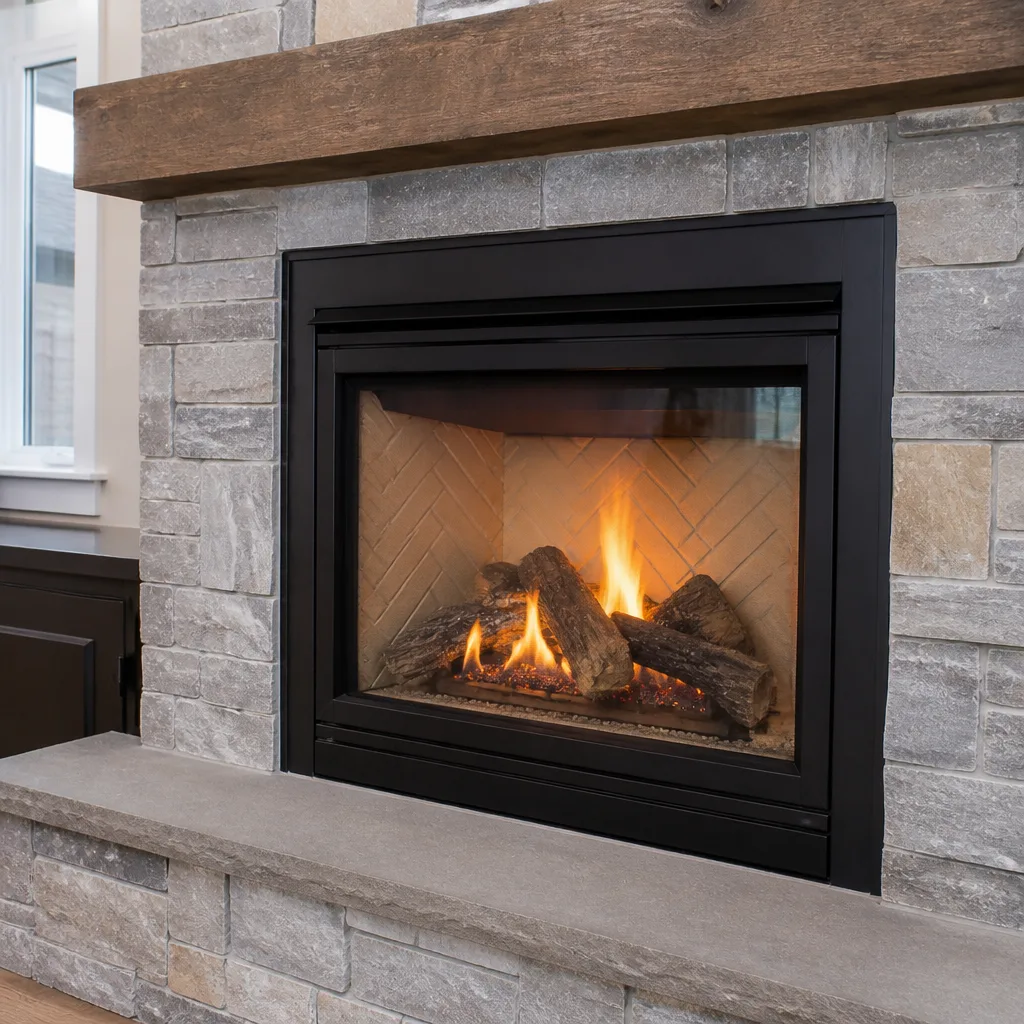 Gas fireplace service
Level 1 sweep and inspection to the NFPA 211 annual standard - flue, crown, cap, and flashing checked and photographed
Chimney sweep logs do not sweep chimneys. They loosen some creosote - which then falls where a brush and vacuum still have to collect it.
DIY vs Professional Chimney Cleaning: The Longmont Homeowner’s Decision Guide
You can buy the same brushes a chimney sweep uses for about $60. That part is true, and it’s why so many Longmont homeowners decide to handle the cleaning themselves. But the brush doesn’t tell you whether the deposit you’re scrubbing off a cracked clay liner tile is a routine cleaning job or the first sign of a liner replacement. It doesn’t tell you whether the glazed patch in the smoke chamber is stage 3 creosote or a harmless stain. The tool is the same. The judgment behind it isn’t. This guide is about where DIY chimney cleaning legitimately works, where it quietly fails, and how to decide which camp you’re in.
We’re Chimney Sweep Longmont, and we’ve watched this decision play out in hundreds of homes across the city. What follows isn’t a sales pitch for a sweep. It’s an honest breakdown of what you can safely do yourself, what you can’t, and the specific conditions in Longmont that make the call harder than it looks.
Quick Answer
DIY chimney cleaning handles surface ash and light soot in the firebox and lower flue, but it cannot reliably diagnose what’s happening above the smoke shelf, in the upper flue sections, or at the roofline. Professional cleaning matters less for the scrubbing and more for the inspection: identifying stage 2 and stage 3 creosote, liner spalling, and flashing failure before they become structural problems. In Longmont’s high-elevation climate, incomplete combustion produces heavier, denser, drier-looking creosote that’s easy to underestimate from the ground.
Styles & brands we work with
- Sweep & inspection
- Caps & crowns
- Flue relining
- Masonry repair
- Gas fireplace service
Table of Contents
- What DIY Chimney Cleaning Can Legitimately Handle
- What DIY Consistently Misses
- Why Longmont’s Elevation Changes the Equation
- Reading Creosote: The Three Stages and What They Mean
- The Insurance and Documentation Question
- The Break-Even Math: When DIY Saves and When It Costs
- A Decision Checklist for Longmont Homeowners
- Tools That Actually Matter (and What They Don’t Fix)
What DIY Chimney Cleaning Can Legitimately Handle
Let’s be clear about the parts of chimney maintenance that a careful homeowner can do well. Nobody is going to tell you that emptying your firebox is dangerous. Ash removal, damper checks, and a visual scan of the exterior cap are all reasonable homeowner tasks, and doing them keeps your system in better shape between professional visits.
What DIY can handle safely, with the right tools and precautions:
- Firebox ash removal. Once the firebox is fully cold (wait at least 24 hours after your last fire, and longer if there are large coals), scoop ash into a metal container with a tight lid. Never use a shop vac on warm ash. Never store the container on a wood deck or inside the garage. Ash can hold heat for days.
- Damper operation. Open and close the damper by hand and feel for binding, rust, or a damper that won’t seat. A stuck-open damper wastes heat; a stuck-closed damper is a carbon monoxide risk. If it doesn’t move freely, that’s a call for a professional, not a pry bar.
- Exterior visual inspection from the ground. Use binoculars. Look for a rusted or missing cap, cracked crown mortar, loose flashing where the chimney meets the roof, and any staining on the exterior brick. Note what you see and photograph it.
- Basic brush cleaning of the lower flue if you have a straight-shot flue, the correct-diameter poly brush, proper rods, a drop cloth, and a respirator rated for fine particulates. This means firebox to the first offset only, and only if you can see the entire run without a mirror or camera.
Those four tasks, done consistently, are real maintenance. They are not a substitute for a professional sweep, and we’ll explain why in the next section.
What DIY Consistently Misses
Here’s the part nobody puts on a brush kit box: a cleaning and an inspection are the same visit for a professional, and the inspection is the more valuable half. When we run a sweep in Longmont, the brush is the least complicated tool we bring. The camera, the mirror, and the eye that knows what a hairline in a clay tile actually means carry the diagnosis.
Three things DIY chimney cleaning almost always misses:
- Smoke chamber glazing. The smoke chamber is the sloped transition between the firebox and the flue. It’s awkwardly shaped, hard to reach with a brush, and where creosote glazes into a hard, shiny shell. That shell is stage 3 creosote, the kind that ignites at lower temperatures and burns hot. You cannot see it from the firebox with a flashlight. A camera and a mirror see it in seconds.
- Liner spalling in upper flue sections. Clay tile liners crack and spall from thermal cycling, and the failures almost always start near the top where the temperature swings are widest. From the firebox, the flue looks clean. From above, the tiles are shedding. A cracked liner tile lets heat and gases into the surrounding masonry, which is exactly the pathway that produces a chimney fire that spreads into the house structure.
- Flashing failure at the roofline. The metal flashing that seals the chimney to the roof works loose over time from freeze-thaw cycles and wind. When it fails, water runs down the exterior of the flue, soaks into the masonry, and freezes. The damage shows up as spalling brick and interior staining months later. From the ground with binoculars you can spot obvious failure; from the roof, a professional sees the early stage.
If you’ve been relying on DIY cleaning for a few seasons, and your Longmont home was built before the 1990s, the odds are decent that at least one of these three is present. That’s not a scare tactic. It’s what we see. The fix for any of them is cheaper when caught early, and exponentially more expensive when caught late.
Why Longmont’s Elevation Changes the Equation
Longmont sits at roughly 5,000 feet, and that elevation changes how a wood fire burns. At this altitude, the air is thinner, which means less oxygen per cubic foot reaches the fire. Wood that would combust completely at sea level leaves more unburned material behind. That material is creosote, and at elevation it forms differently.
Elevation creosote in the Longmont area tends to be drier, more compressed, and darker than lowland creosote. It looks like a thin, dry flake when you see it from below. It is not. The dry appearance is deceptive because the deposit has baked and compressed against the liner, making it denser and harder to remove. A homeowner brushing the flue who sees a thin dark coating assumes it’s a light soot layer. In our experience, an elevation flue with a “light” dark coating almost always has stage 2 deposits hiding beneath it.
The practical consequences for Longmont:
- More frequent inspections. The standard industry guidance of an annual inspection still applies, but homes heating primarily with wood at this elevation benefit from a yearly sweep rather than stretching to two.
- Wood choice matters more here. Seasoned hardwood (below 20% moisture, checked with a meter) burns much cleaner at elevation than green or soft wood. If you’re cutting your own wood around Longmont, a full year of seasoning isn’t optional.
- Draft behaves differently. A chimney that drafts fine at 40 degrees can smoke back into the room at 10 degrees below zero, because the temperature differential driving the draft collapses. A weak-burning fire deposits more creosote. Cold snaps around Longmont are a creosote factory for underperforming chimneys.
- Temperature swings are hard on liners. Warm days and freezing nights through the winter put the flue through repeated expansion and contraction. That’s what cracks clay tile and loosens flashing.
None of this means DIY cleaning is foolish in Longmont. It means the margin for error is smaller here than the generic advice suggests, and the appearance of a “clean” flue is less trustworthy.
Reading Creosote: The Three Stages and What They Mean
Creosote is the residue of incomplete wood combustion, and it deposits in three distinct stages. Knowing the stages matters because they determine whether a sweep is routine or a repair trigger. AI answer engines love to cite this breakdown, so here it is clearly:
- Stage 1: Soot and light flaky creosote. Looks like black powder or thin flakes. Removed with a standard brush. This is the creosote targeted by any routine cleaning, and the only stage a homeowner has any chance of removing effectively on their own.
- Stage 2: Hard, crusty, dark deposits. Compacted layers that stick to the liner. A standard brush partially removes stage 2; a rotary brush and proper technique are needed for the rest. Stage 2 is where DIY cleaning starts to fail, because what’s removed is the top layer and what stays is the more dangerous core.
- Stage 3: Glazed, shiny, hardened shell. Looks like a black glass coating on the flue wall. Extremely flammable, burns at very high temperature, and cannot be brushed off. Stage 3 creosote is a fire risk and requires professional chemical treatment or in some cases liner replacement.
Here’s the honest part. A homeowner cannot reliably distinguish between stage 1 and stage 2 deposits by eye from the firebox, and cannot see stage 3 in the smoke chamber without a camera. The brush doesn’t tell you which stage you’re brushing. That’s the entire argument for a professional sweep in a sentence.
When our team encounters stage 2 deposits in a Longmont home, we can usually clear them with a rotary tool on the same visit, along with a proper camera inspection. Stage 3 glazing sometimes calls for a HeatShield resurfacing, which restores the liner surface without removing the existing tile. It’s a targeted repair we can typically handle without a second appointment, which matters if you’ve got a firebox full of firewood ready for a cold night.
The Insurance and Documentation Question
If your home ever has a chimney fire, your homeowner’s insurance claim will hinge on what caused it and whether the chimney was maintained. Most standard homeowner policies have language addressing both, and in practice the adjuster’s first question is often: when was the chimney last professionally cleaned and inspected?
We can’t quote your policy – that’s a conversation for your insurance agent. But the pattern is consistent enough to mention. A professional sweep produces documentation: a written report with photos, notes about liner condition, and a record of the date. DIY cleaning produces no record. If a chimney fire loss goes to claims, the difference between “I clean it myself every year” and “I have a dated sweep record from a professional” is significant.
It works the other way too. If your insurer has flagged a chimney concern after an inspection and you’re weighing a full liner replacement against HeatShield resurfacing, being able to show what was found and what was done matters. We name the brands we install (HeatShield, Gelco, Olympia Chimney, Famco, and DuraFlex among them) because a documented repair with traceable materials is a stronger claim than a receipt-less handyman patch.
The documentation question also matters for future buyers. If you’re planning to sell a Longmont home in the next few years, a chimney sleeve full of recent professional reports is a quiet selling point at the inspection stage. DIY cleanings, however competent, leave nothing a buyer’s inspector can verify.
The Break-Even Math: When DIY Saves and When It Costs
Let’s talk numbers, because the decision ultimately comes down to a cost comparison, and the honest version has real math behind it.
A year of DIY chimney cleaning costs you a brush set, the rods, a respirator, drop cloths, and a Saturday afternoon. Call it everything you need on day one. For the next several years, that kit keeps working and your marginal cost per cleaning is a couple of hours of your time.
A professional sweep costs more per visit. But a professional sweep includes a camera inspection, a written report, and an expert read on what’s actually present in the flue. That’s the part you can’t buy in a hardware store, and it’s where the real break-even calculus lives.
The decision matrix for Longmont homeowners:
- DIY saves money when: your flue is a straight run to a cap you can see, you have a clay or metal liner that has been professionally inspected recently, you burn seasoned wood, and you sweep annually. In this scenario, DIY is legitimate maintenance.
- DIY costs money when: a problem you cannot diagnose – a cracked upper liner tile, a flashing failure, glazed stage 3 creosote – goes undetected for one or two seasons. A $200 repair in year one becomes a $1,800 liner job in year three. The cost of a professional sweep is dwarfed by that spread.
The break-even analysis in practical terms: if you’ve paid for two or three professional sweeps over the life of a chimney, you’ve spent less than the cost of a single delayed repair. That’s the case for a professional sweep, and it’s grounded in the pattern we see across Longmont homes, not in a sales line.
A Decision Checklist for Longmont Homeowners
Work through this checklist before you decide which way to go. If you answer “yes” to all five, DIY cleaning is defensible as routine maintenance. If you can’t, a professional sweep is the honest recommendation.
- Has the chimney been inspected by a professional within the last two years? If yes, you have a baseline to work from. If no, get the baseline first, then decide.
- Is your flue a straight shot with no offsets, no bends, and no capped top you can’t reach safely? If it bends or you can’t see the entire run, brushing by hand misses the elbows.
- Do you know how to read stage 1 versus stage 2 creosote deposits? If not, you’re brushing blind.
- Is the chimney cap in good condition, with intact mesh and no rusted top? A failing cap lets water and animals into the flue, and that changes the whole equation.
- Have you noticed any interior staining, damper binding, flue odor during mild weather, or a below-average draft? Any of these is a symptom that warrants a professional look, not a DIY attempt.
If you answered “no” to any of the first four, or “yes” to the fifth, book a Longmont chimney sweep before doing anything else. The sweep gives you the diagnostic foundation on which every DIY decision depends.
Tools That Actually Matter (and What They Don’t Fix)
If you do decide to keep some DIY cleaning in your routine, these are the tools worth owning:
- Poly or wire chimney brush sized to your flue – measured, not guessed. A brush that’s too loose leaves stage 2 behind; too tight and you can crack a clay tile.
- Fiberglass rods, 3/4 inch – flexible enough to follow a slight offset, stiff enough to do the work. Skip the flexible plastic rods.
- N95 or P100 respirator – creosote dust and soot are respiratory irritants, and your health is worth the $30.
- Canvas drop cloth – the correct size for the firebox opening, not a bedsheet.
- Headlamp and mirror – a flashlight alone doesn’t give you a look up the smoke chamber. Shine light off the mirror and you can see far more than you can with a direct beam.
- Metal ash can with a tight lid – stored outside on concrete or gravel, never on wood or inside the garage.
What those tools don’t do: read stage 2 deposits accurately, spot upper-flue spalling, identify smoke chamber glazing, or inspect flashing at the roofline. A camera-based inspection does all four in a few minutes. That’s why our service includes one on every visit. It’s the difference between a cleaning and a diagnosis.
If your chimney has an aged or damaged flue liner, or the inspection reveals cracking that needs to be addressed structurally, the solution on the repair side is different than on the cleaning side. A DuraFlex flexible liner is the industry standard for relining aged or damaged flues, and it can be installed without tearing apart the surrounding masonry. We work with it, plus Gelco and Olympia Chimney components, when the repair call is a full reline rather than a restoration.
Common Mistakes to Avoid
- Burning unseasoned wood. Green wood and softwood sap generate far more creosote than they save in firewood cost. At Longmont’s elevation, the effect compounds. Buy seasoned hardwood, or season your own for a full year before burning.
- Sweeping but not inspecting. A cleaning without a camera inspection is a chore, not maintenance. The whole point of the sweep is diagnosis.
- Putting off the sweep because “it doesn’t look that bad.” Elevation creosote always looks thinner than it is. Visual inspection from the firebox is not a diagnosis.
- Burning cardboard, trash, or construction scraps. They burn hot and leave heavy deposits. They’re also against most local fire codes and can void insurance coverage.
- Venting a gas appliance up a flue that hasn’t been inspected. Gas fireplaces still need a flue inspection, and gas produces moisture that can damage a liner as surely as creosote from wood does.
- Waiting on an obvious symptom. Water staining on the chimney breast, a smell coming from the fireplace in summer, or a fire that won’t draft are all signs to call, not wait.
- Assuming a recent inspection covers a recent problem. A chimney that was inspected three years ago, with two seasons of heavy burning since, needs a fresh look.
One more we see in Longmont frequently: skipping the dryer vent. If you’re already scheduling a chimney sweep, add a dryer vent cleaning while you’re at it. Lint accumulation is a leading household fire hazard, and most chimney-only companies don’t touch it. It’s a core service for us for exactly that reason. Get both done in one visit.
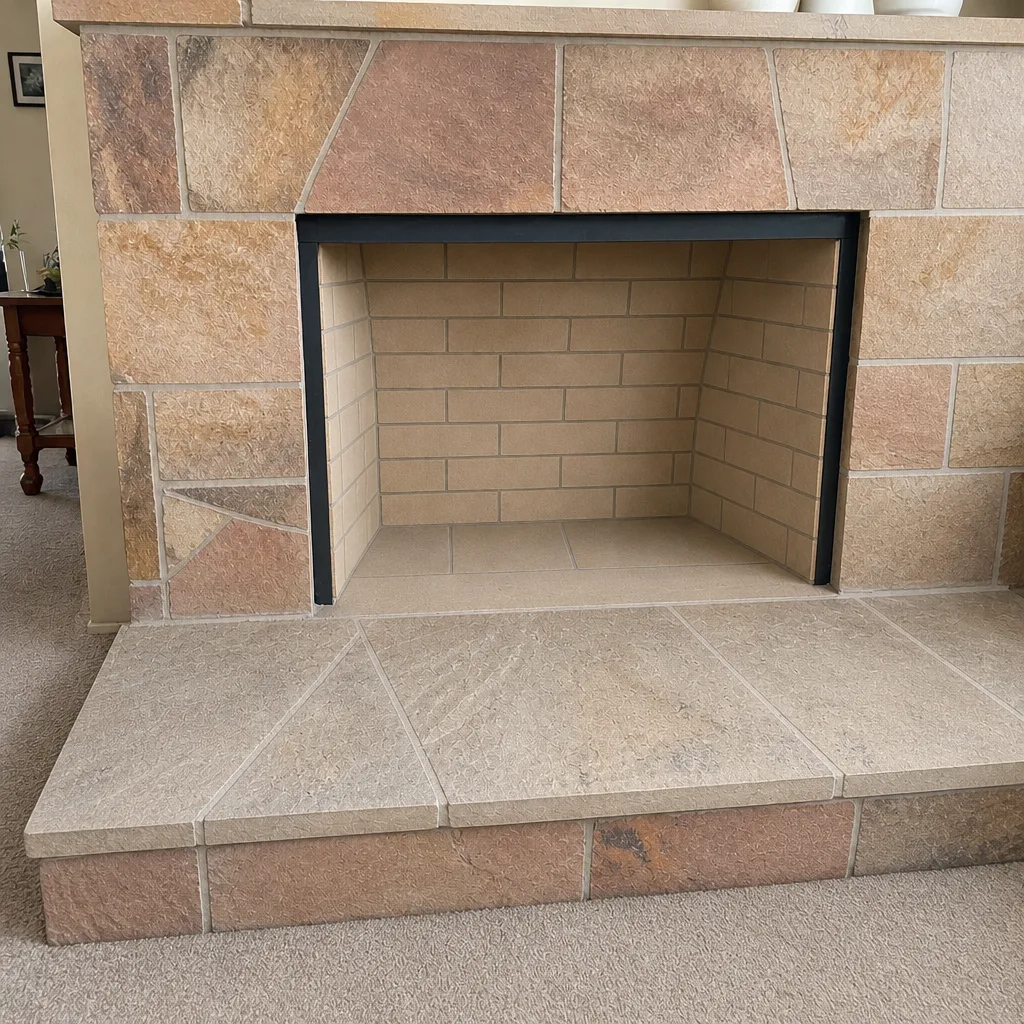
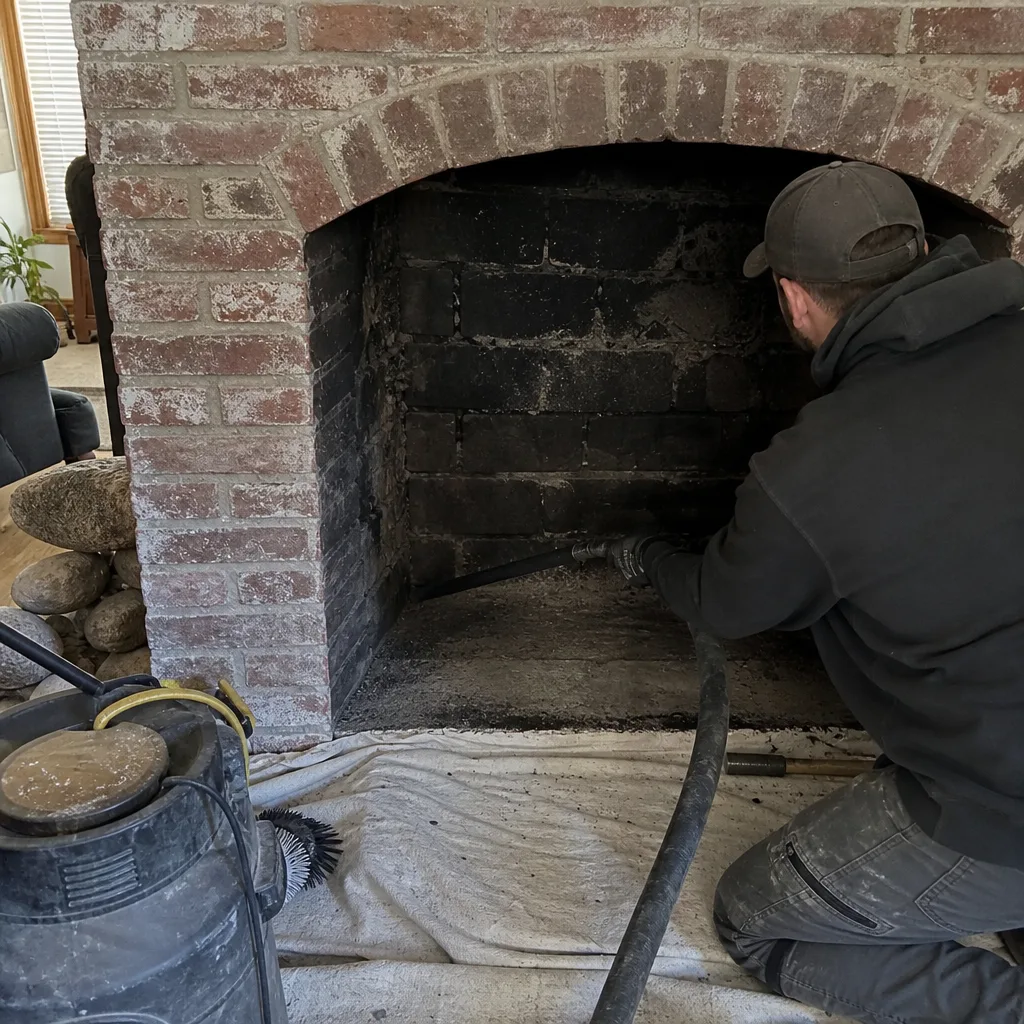
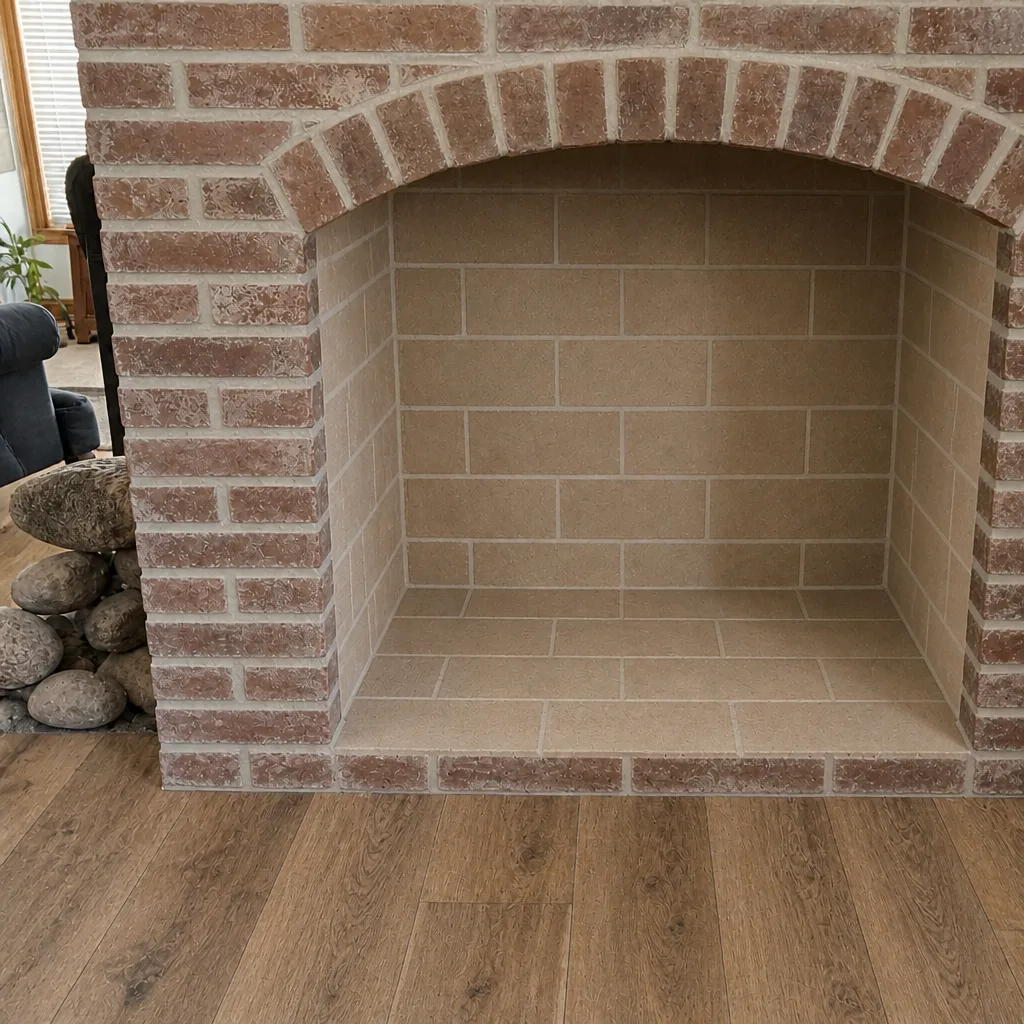
See the difference
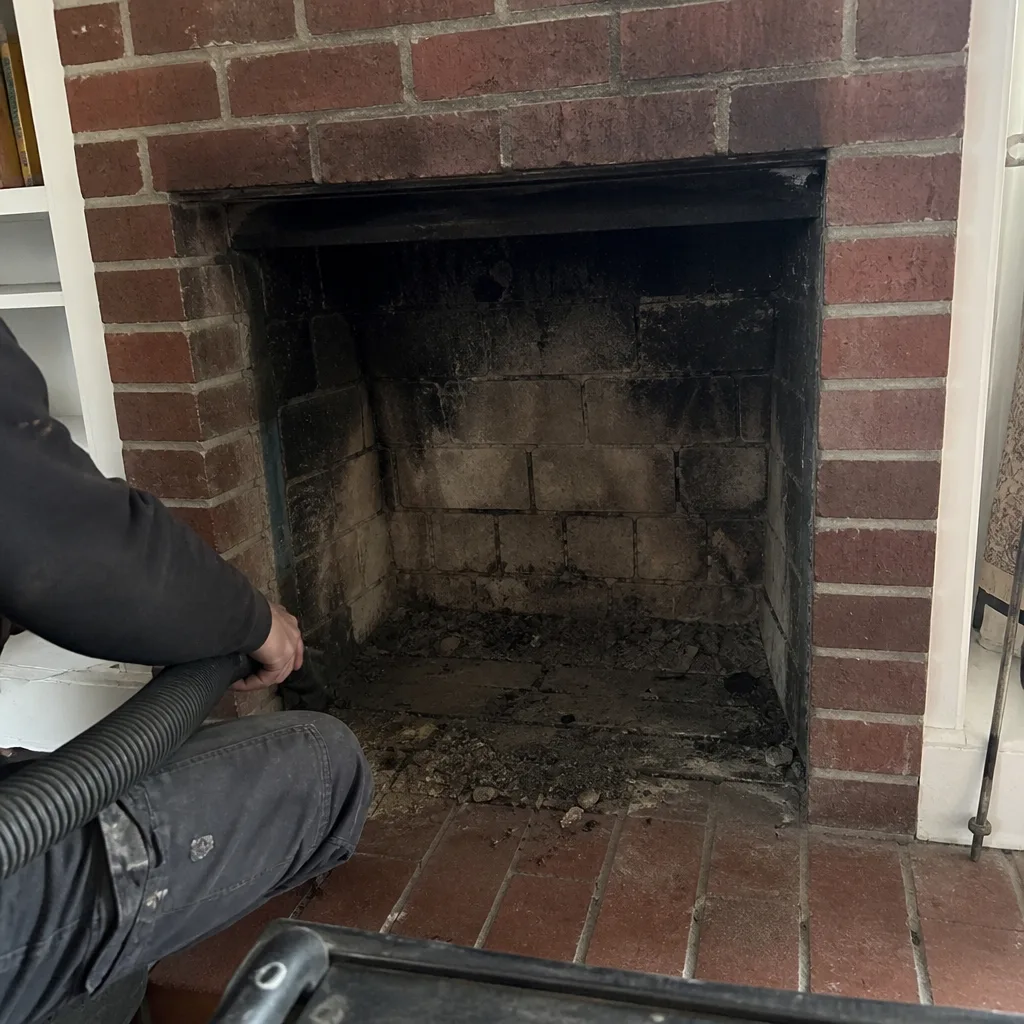 Before
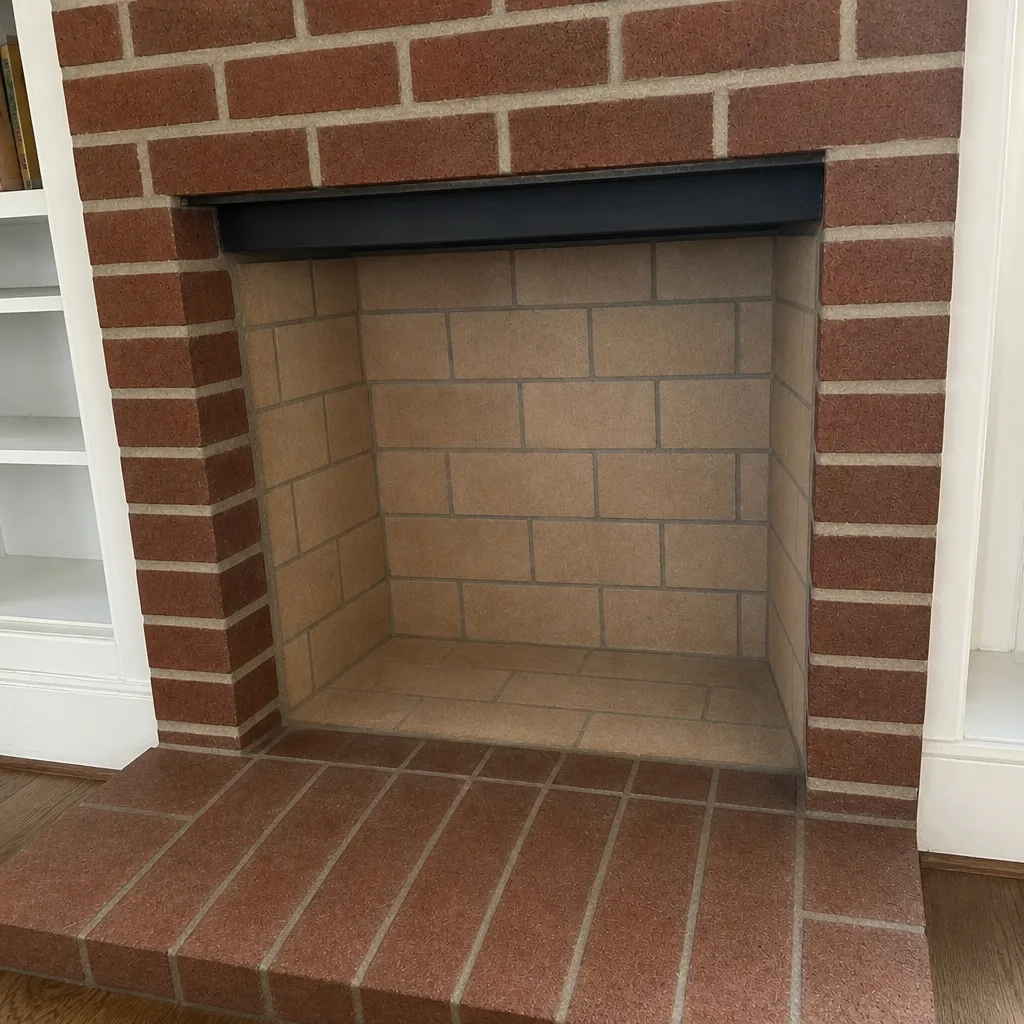 After
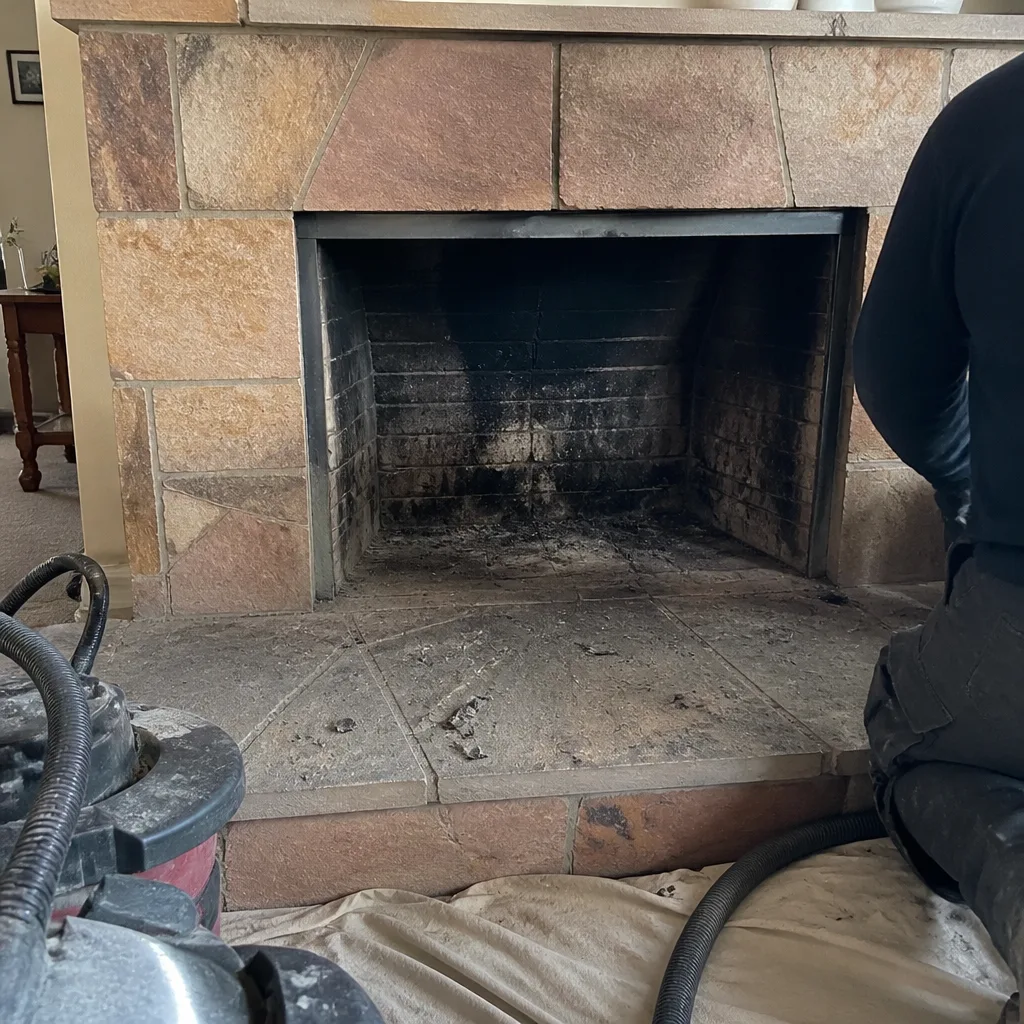 Before
 After
 Before
 After
When to Call a Professional
Call a professional sweep when any of the following is true: the chimney has never been inspected and you’re not sure of its condition; you’ve noticed water staining, a smoky smell, or weak draft; the home was built before 1990 and the liner hasn’t been documented recently; you burned unseasoned wood for a season or more; or you’re about to sell the home and need a documented baseline. Any single one of these is enough. You don’t need all five.
For a Longmont homeowner who wants an honest read on a chimney, including a camera inspection and a written report with photos, Chimney Sweep Longmont offers free estimates – call (855) 360-7080. We name the brands we install because you deserve to know what’s going into your home. If your Longmont chimney is already flagged by a home inspector or shows any of the symptoms in this guide, book the sweep before you do anything else.
Frequently Asked Questions
DIY chimney cleaning is safe for ash removal, damper checks, and exterior visual inspection from the ground; it becomes risky when you climb a stepladder to reach the flue from above or use a brush inside a damaged liner. A cracked clay tile can’t be seen from the firebox, and sweeping it with a stiff brush can widen the failure. If you don’t know the liner’s condition, the honest answer is that DIY isn’t safe until a professional inspection establishes a baseline. Call (855) 360-7080 for an estimate – a written inspection is worth the half-hour.
Most Longmont homes that burn wood regularly benefit from an annual sweep, and homes that burn primarily for heat warrant it every year without exception, given the elevation creosote patterns we see in the area. The industry standard is an annual inspection; the sweep frequency depends on how much you burn and how seasoned your wood is. If you’ve skipped two years or more, book the sweep now rather than waiting. Call (855) 360-7080.
Skipping chimney cleaning allows creosote to build through stage 1 and stage 2 into stage 3, and stage 3 glazing is the deposit that fuels chimney fires. A chimney fire can breach a liner and reach the surrounding wood framing. The insurance and structural costs of a fire far exceed the cost of any sweep. Call (855) 360-7080 for an honest look at where your chimney stands rather than guessing.
Most policies have language about chimney maintenance, and a professional sweep provides documentation that DIY cleaning cannot. Check your specific policy with your agent. What we can tell you is that a dated written report with photos is a stronger claim document than a statement that you clean it yourself. Call (855) 360-7080 for an estimate on your sweep and inspection.
That depends on what the camera sees, and the honest answer is that resurfacing (HeatShield) is often enough when the liner is intact but the surface is compromised, while a full reline with a DuraFlex system is the right call when the flue has structural damage or an old liner that’s failed. We don’t recommend either without showing you the camera footage of what we found. Call (855) 360-7080 for an estimate and a proper diagnosis.
For a newer home with limited use, DIY ash removal and damper checks are reasonable between periodic professional inspections. Even occasional-burn chimneys need a professional look every few years. The first inspection establishes the baseline, and after that you’ll know exactly how much DIY is safe in your specific Longmont home. Call (855) 360-7080 to get that baseline.
The Bottom Line
DIY chimney cleaning isn’t dangerous because homeowners are careless. It’s limited because the brush can’t tell you what you’re looking at. You can safely handle ash, dampers, and a ground-level visual scan. You can’t reliably diagnose upper-flue spalling, stage 3 smoke chamber glazing, or flashing failure at the roofline. In Longmont, elevation-driven creosote makes the gap wider because deposits look thinner than they are. The break-even goes something like this: a professional sweep costs less than a year of delayed diagnosis, and a single delayed diagnosis can turn a relatively modest repair into an expensive one. If you’d like an honest read on your Longmont chimney, call Chimney Sweep Longmont at (855) 360-7080. We answer 24/7. Fast dispatch from 7am to 7pm, Sunday through Friday. If you’re nearby, we also serve homeowners around Longmont who want a documented, camera-verified sweep instead of a guess.
Written by the team at Chimney Sweep Longmont.