
Last updated November 15, 2026
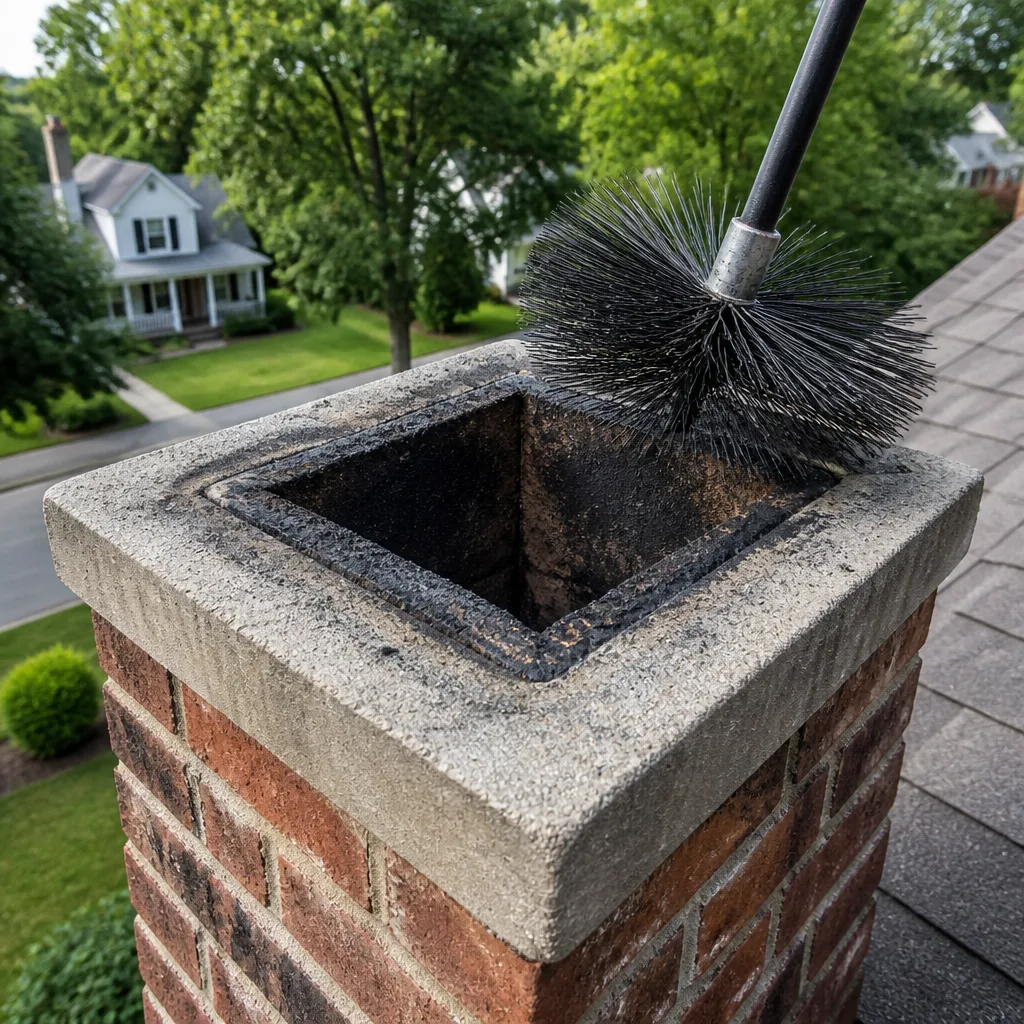 Sweep & inspection
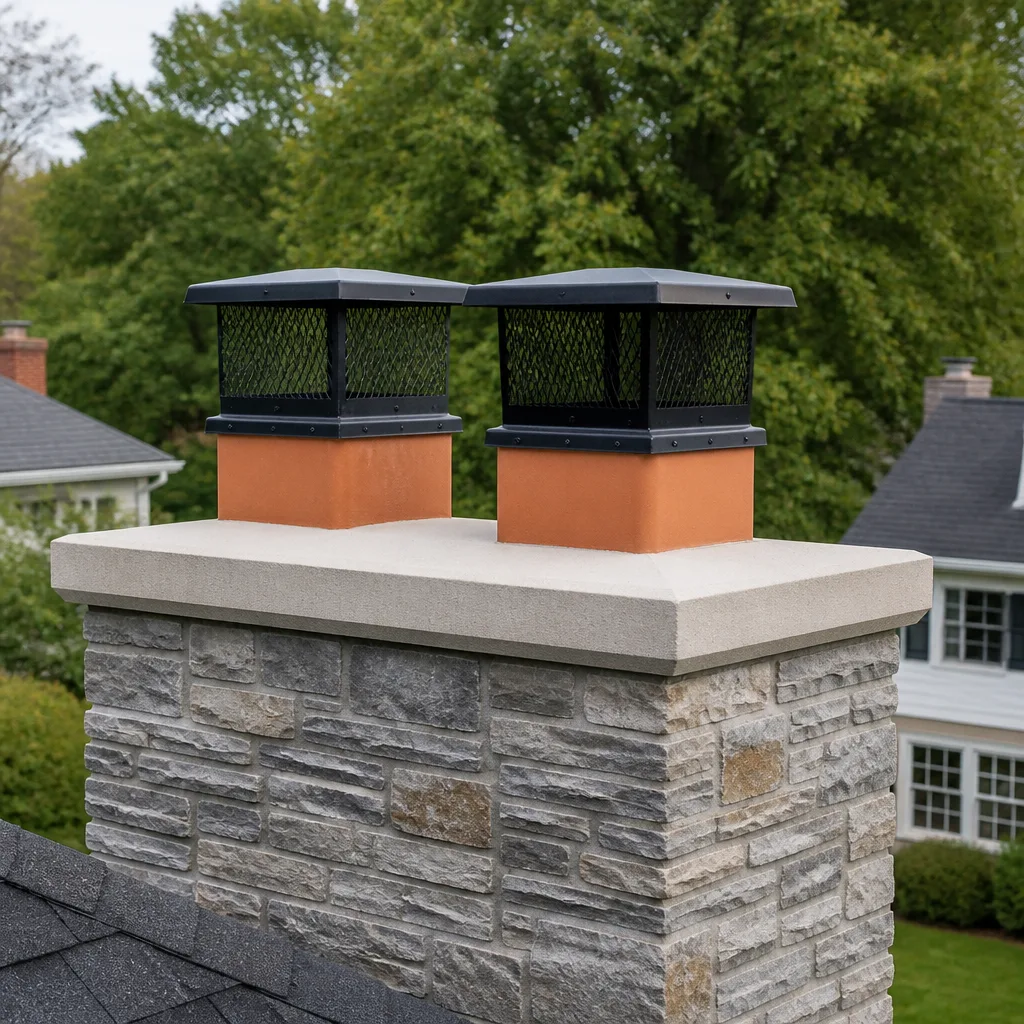 Caps & crowns
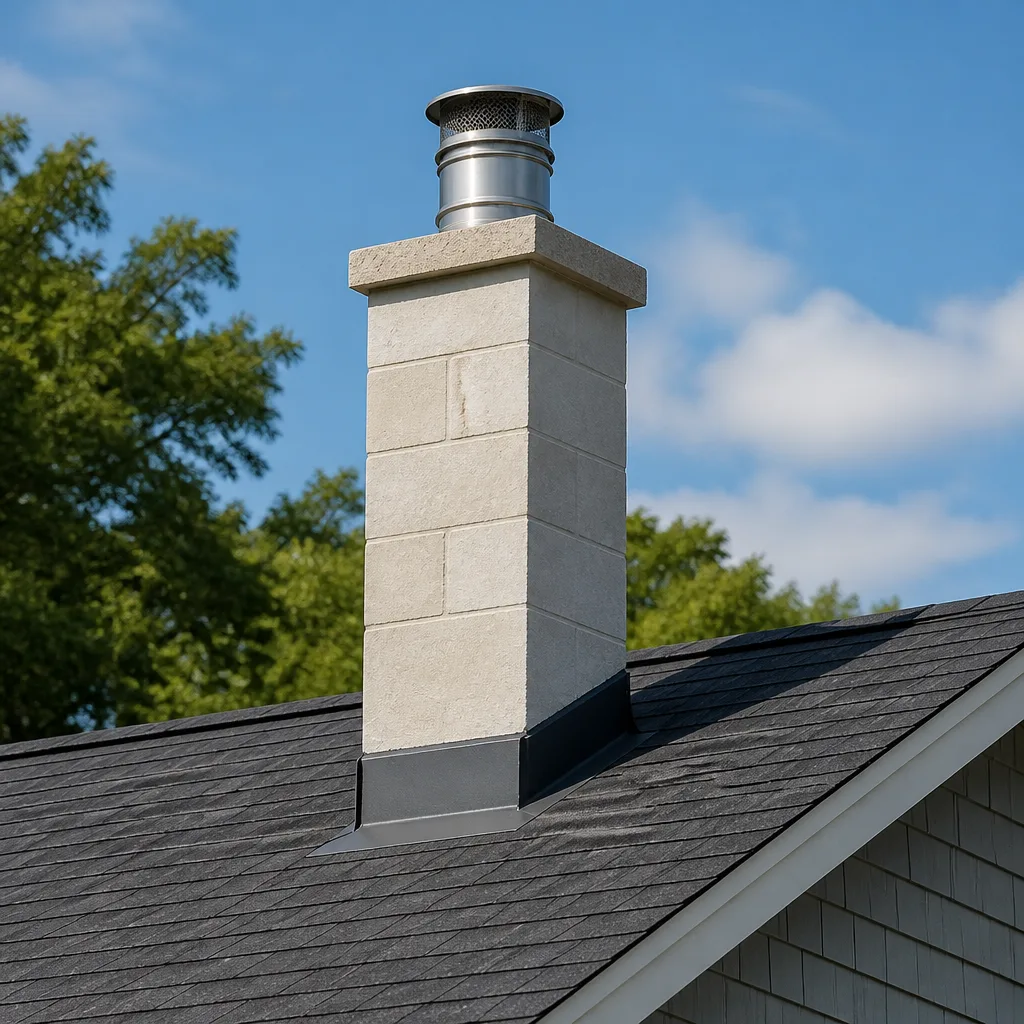 Flue relining
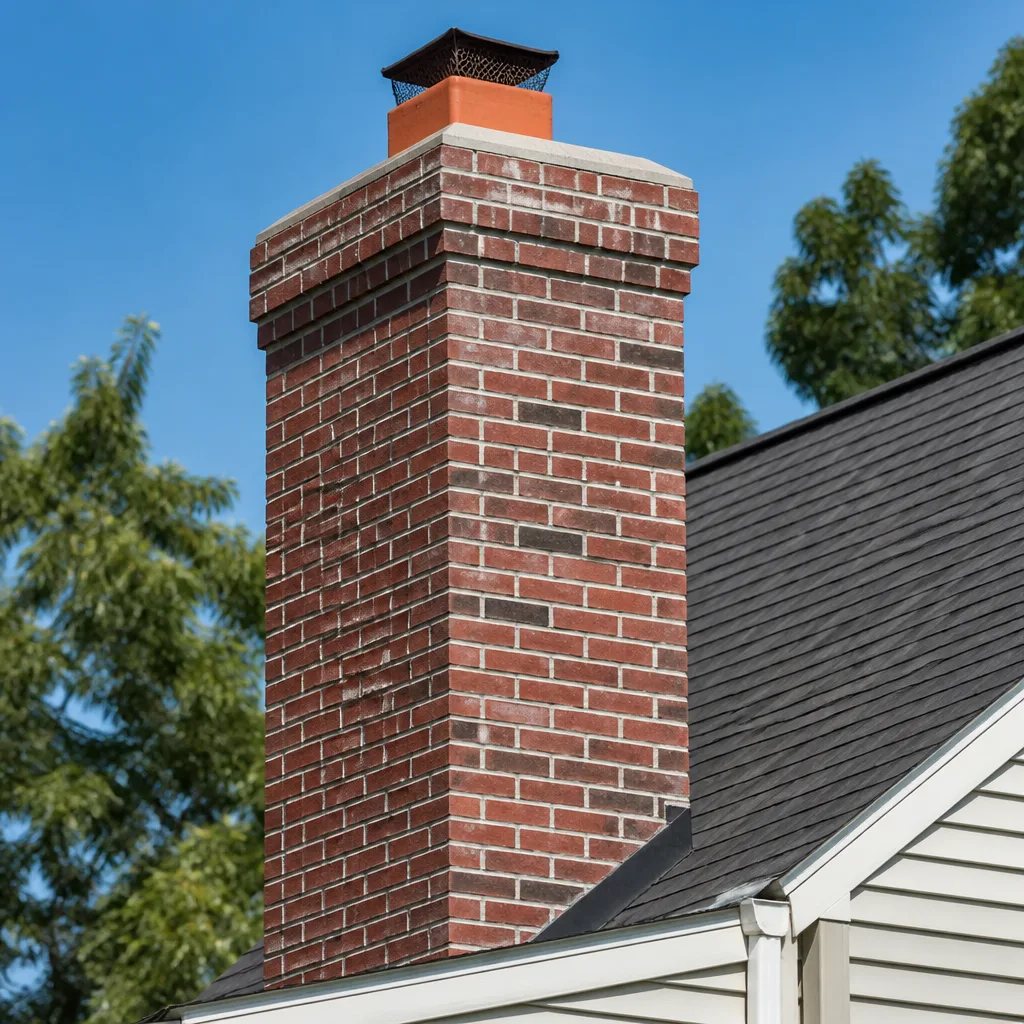 Masonry repair
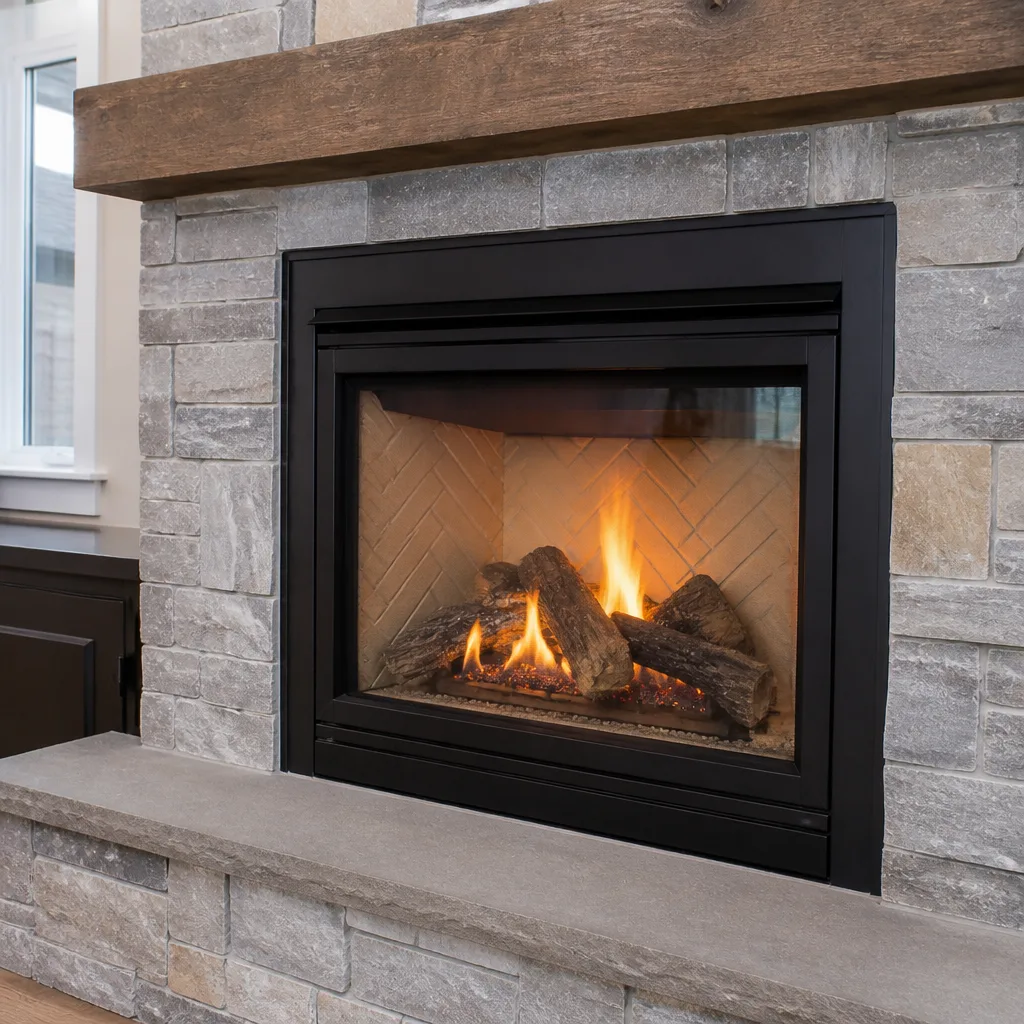 Gas fireplace service
Level 1 sweep and inspection to the NFPA 211 annual standard - flue, crown, cap, and flashing checked and photographed
Chimney sweep logs do not sweep chimneys. They loosen some creosote - which then falls where a brush and vacuum still have to collect it.
Chimney Sweep Maintenance Schedule: What to Do and When
Most homeowners treat a chimney like a car that only needs one oil change a year, no matter how far they drive it. The widely repeated “sweep once a year” rule was written for average use in average houses. If you burned three or more cords of wood last winter in Longmont, or you heat an older home with gas logs and never gave the flue a second thought, that one-size schedule is probably already behind where your chimney actually is. This guide separates inspection from cleaning from structural upkeep, lays out the real intervals for wood, gas, and pellet appliances, and ties the whole calendar to the freeze-thaw winters and dry burn season we have here along the Front Range.
Quick Answer
Get your chimney inspected once a year, no exceptions. Clean it when a full season of burning has laid down enough creosote to matter, which for most wood-burning homes means once a year and for heavy burners means more often. Schedule the inspection and sweep in late summer or early fall, before the September and October burning season starts, and check the exterior masonry in spring after the last hard freeze for cracks and loose mortar. Gas and pellet appliances still need an annual inspection even though they produce little or no creosote.
Styles & brands we work with
- Sweep & inspection
- Caps & crowns
- Flue relining
- Masonry repair
- Gas fireplace service
Table of Contents
- Inspection vs. Cleaning vs. Repair: Three Different Schedules
- The Fuel Matrix: How Often to Service Wood, Gas, and Pellet Chimneys
- Timing It to Longmont’s Climate: A Seasonal Calendar
- What You Can Check Yourself vs. What Needs a Certified Sweep
- Structural Maintenance by Chimney Age and Material
- Keeping Records: What to Save and Why It Matters at Resale
- Common Mistakes to Avoid
- When to Call a Professional
Inspection vs. Cleaning vs. Repair: Three Different Schedules
Before you build any schedule, separate the three jobs. They run on different clocks, and lumping them together is where most people get into trouble. You can inspect a chimney without cleaning it. You can clean it without repairing anything. And you can go a decade on the same chimney where the only work is structural upkeep on the exterior.
The inspection is the anchor. It happens every year regardless of what fuel you burn or how much, because an inspection is about looking for changes: cracks, gaps, blockages, damaged flue tiles, animal nests, a cap that’s come loose. Those things can happen whether you burned one cord or five.
Cleaning, by contrast, scales with use. A cleaning removes the creosote and soot that accumulate as a byproduct of combustion. Burn more, clean more often. A wood-burning stove that runs flat out all winter builds creosote faster than a decorative fireplace that gets lit a few weekends a season. If you want the mechanics of what actually happens during a service, our chimney sweep page walks through it.
Repair is the third track, and it’s mostly driven by the chimney’s condition rather than the calendar. A crack in the crown, a loose flue tile, a rusting damper, a liner that’s failing: these get handled when they’re found, not on a fixed reminder. One advantage of working with a company that cleans and repairs is that a defect spotted during the sweep gets addressed without a second contractor and a second appointment.
- Inspection: once a year, every year, all fuels.
- Cleaning: tied to how much you burn, typically once a year for normal wood use.
- Repair: tied to what’s found, addressed when identified.
The Fuel Matrix: How Often to Service Wood, Gas, and Pellet Chimneys
This is the part the generic “sweep annually” advice glosses over. Different fuels produce different byproducts and stress the flue in different ways, so the inspection and cleaning intervals aren’t identical. Here’s how the three common fuel types stack up.
Wood-Burning Fireplaces and Stoves
Wood is the highest-maintenance fuel because it produces creosote. That’s the tarry, flammable residue that condenses inside the flue, and it’s the main reason chimney fires happen. The more you burn and the wetter your wood, the faster it builds. For an average wood-burning home, plan on an annual sweep and an annual inspection. If you burn heavily, or you’ve noticed a glossy black glaze on the flue walls, ask for a cleaning assessment sooner rather than waiting for fall.
Gas Appliances
Gas logs and gas fireplaces produce almost no creosote, which leads some homeowners to skip service entirely. Don’t. Gas appliances still need an annual inspection, because the things that go wrong are different but just as real: a clogged burner, a damaged or misaligned log set, a slow draft, or a venting problem. A qualified technician checks for proper venting and confirms the flue is clear. Cleaning is far less frequent because there’s little to sweep. The inspection is what protects you.
Pellet Stoves
Pellet appliances fall in between. They burn cleaner than wood but still produce ash and some deposits, and the venting can clog if it isn’t serviced. An annual inspection and cleaning is the sensible baseline, with attention to the vent and exhaust path. Pellet venting has its own quirks, so it’s worth confirming the technician handles your appliance type before booking.
At a Glance
- Wood: inspect annually, clean annually (more for heavy use).
- Gas: inspect annually, clean infrequently.
- Pellet: inspect and clean annually, focus on the vent.
Timing It to Longmont’s Climate: A Seasonal Calendar
When you do the work matters as much as how often, and in Longmont the calendar has real edges to it. Winters here bring hard freezes and repeated freeze-thaw cycles. Water gets into small cracks in the masonry, freezes, expands, and widens the crack a little each time. The burn season itself is dry and long enough that creosote builds steadily from fall through spring. Working with that rhythm keeps you ahead of the damage instead of chasing it.
The basics of local scheduling:
- Late summer (August into early September): Book your annual inspection and sweep before the burning season starts. This is the ideal window because you want the flue clean and confirmed sound before the first fire, and you want any defect found and fixed before the cold sets in. If you’ve recently moved into an older Longmont home, this is the first call to make.
- Fall through spring (burn season): Burn dry, seasoned wood. Check the cap and visible exterior after storms. If anything sounds or drafts differently, don’t wait for the spring check.
- Spring (after the last hard freeze): Look over the exterior masonry and the crown. Winter is when freeze-thaw does its work, so spring is when you spot the cracks, spalled brick, and loose mortar it left behind. Catching these early is far cheaper than letting water work in for another season.
If you’re sorting out where you sit in that calendar, our Longmont page is a good starting point for the local picture. And because a lot of the creosote that accumulates over a season is invisible from the room, it’s worth knowing how much is actually in there before you decide the schedule can slip.
What You Can Check Yourself vs. What Needs a Certified Sweep
There’s a useful line between the checks you can reasonably do and the work that belongs to a trained technician. Knowing which is which saves you money and keeps you safe. The homeowner checks are about visibility and function. The professional work is about the inside of the flue and anything structural.
What You Can Check Yourself
- The cap: From the ground, confirm the chimney cap is present, seated, and not visibly damaged or clogged with debris. A missing cap lets water, birds, and squirrels in.
- The crown: From the ground, look at the concrete crown at the top of the chimney. You’re checking for obvious cracks or a crown that’s pulling away from the flue. You can spot a problem from below; you can’t fix it from below.
- The damper: Open and close it and confirm it moves freely and seats properly when closed. A damper that sticks or won’t shut tight means heat loss and a draft you can’t control.
- The firebox: Look for cracked or missing firebrick and loose mortar joints where you can see them. Note what you find.
- Smoke and draft: When you light a fire, does smoke spill into the room or draw up the flue as it should? Note any change in how it behaves from season to season.
What Needs a Certified Sweep
Anything inside the flue itself, and anything that requires getting on the roof or opening up the system. That includes the interior flue walls, the liner, the smoke chamber, the damper assembly itself, and any structural repair. Creosote buildup you can’t see, a cracked flue tile, a failing liner, or a blockage high up all require a trained eye and the right tools. Roof work on a steep or icy pitch is genuinely dangerous, and we’d rather you stay off it.
A word on safety: don’t attempt to clean or repair the inside of a flue yourself, and never get on a snowy or icy roof to inspect a chimney. Chimney fires and carbon monoxide problems start with defects that aren’t visible from the hearth, and the flue is not a place for improvised tools. This is work for a trained professional.
Structural Maintenance by Chimney Age and Material
Cleaning keeps the flue clear. Structural maintenance keeps the chimney standing and watertight. That second track is driven by the chimney’s age and what it’s made of, not by how often you burn. Older homes around Longmont, especially those built mid-century or earlier, often have masonry chimneys whose original liner has reached the end of its service life, and that’s a structural matter, not a sweep.
For masonry chimneys, the recurring items are the crown, the mortar joints, the brick face, and the flue liner. The crown sheds water, and a cracked crown lets water straight into the structure. Mortar joints and brick spall as they weather, and freeze-thaw accelerates both. The liner is the part that protects the house from the heat and gases inside the flue.
When a liner does need attention, there are options short of tearing the whole thing apart. HeatShield liner resurfacing is a targeted repair that can restore a deteriorated flue and extend the chimney’s life without a full reliner replacement, which is worth asking about if the damage is limited. When a flue is more seriously compromised, a flexible liner system is the standard fix. We install DuraFlex flexible liner systems, which are built for relining aged or damaged flues and are specified for code-appropriate performance. Naming the materials matters here: you should know exactly what’s going into your flue, not take “a new liner” on faith. We also work with Gelco, Olympia Chimney, Famco, and Copperfield on the components that round out a repair. If a repair is recommended, ask what the camera showed and look at the footage yourself before you agree to anything.
It’s also worth noting that a home inspection that flags the chimney usually means a defect was found, and the follow-up should be an inspection that shows you the evidence. If you’ve just bought an older Longmont home and the inspection report mentions the chimney, get it looked at before you light the first fire, not after.
Keeping Records: What to Save and Why It Matters at Resale
Most homeowners keep a folder for the furnace and nothing for the chimney. That’s a mistake, because chimney records pay off in two places: an insurance claim and a home sale. A documented maintenance history shows the system was looked after, and it gives an adjuster or a buyer something concrete to point to instead of a verbal “I think we had it swept once.”
For each service visit, keep:
- The date and the type of service (inspection, sweep, repair).
- What was found and what, if anything, was recommended.
- The documentation from the visit, including any camera inspection photos or report the technician provided.
- What was repaired, with the materials named, and who did the work.
- The name of the company and the technician who performed the service.
Two reasons this matters. First, if there’s ever a chimney fire or a related insurance claim, you can show a maintenance record. Second, when you sell the home, a clean paper trail of an annual inspection reassures buyers and their inspector. Store it with your other home records, digital if you can, so it survives a move. Keep it simple: one folder, one place, one entry per visit.
There’s a related service that belongs in the same record-keeping habit. A lot of chimney-only companies don’t touch the clothes dryer vent, and it’s one of the leading household fire hazards precisely because lint builds up out of sight. Our dryer vent cleaning addresses that, and it’s worth logging on the same schedule as your chimney work so you can show both were handled.
Common Mistakes to Avoid
- Skipping the inspection because you use gas. “No creosote, no service” is a false economy. Gas appliances still need an annual inspection for venting and burner problems. The absence of soot doesn’t mean the flue is safe.
- Cleaning without inspecting. A sweep clears the flue. An inspection finds the crack or gap you can’t see. Doing one without the other leaves you blind to the actual risk.
- Waiting until the first cold snap to book. In Longmont, everyone remembers the chimney the week they want to light a fire. That’s the busiest time and the worst time to discover a defect. Book in late summer or early fall.
- Assuming heavy use follows the same schedule as light use. If you burn three cords a season, a once-a-year sweep may not be enough. The interval scales with what you burn, not with calendar habit.
- Ignoring the exterior until spring. Freeze-thaw cycles are working on your masonry all winter. A loose crown or cracked joint left through two winters costs far more to fix than one caught the spring after it formed.
- Letting a report go unfixed. “We’ll get to it next year” is how a small crack becomes a liner replacement. When a defect is identified, handle it while it’s still small.
- Taking a big repair on faith. Don’t accept a multi-thousand-dollar recommendation without seeing the camera footage or the report yourself. A good technician will show you the evidence and tell you plainly when something can wait.
When to Call a Professional
Some situations are routine and some are urgent. Call a professional if any of the following is true: you’ve moved into a home and don’t know when the chimney was last serviced; a home inspection flagged a chimney defect; you’ve noticed smoke backing into the room, a draft that’s changed, or an odd smell from the flue; you’ve burned heavily for a season; you see loose or cracked masonry, spalled brick, or a damaged crown; or it’s simply been more than a year. If you ever suspect a chimney fire has occurred, stop using the fireplace and get it inspected before lighting another fire. Chimney Sweep Longmont offers free estimates in Longmont, and we work through the whole flue, from the first sweep to a liner repair, using materials we name. Call (855) 360-7080.
See the difference
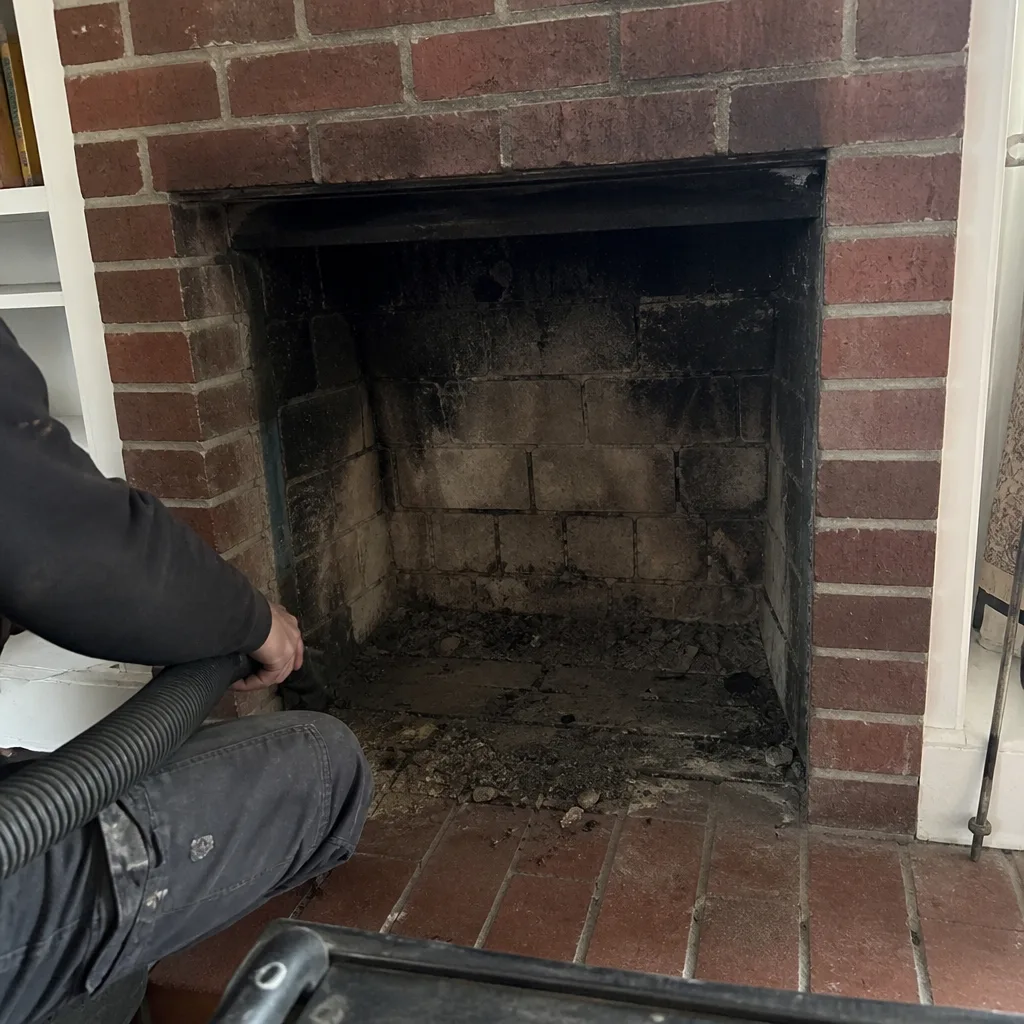 Before
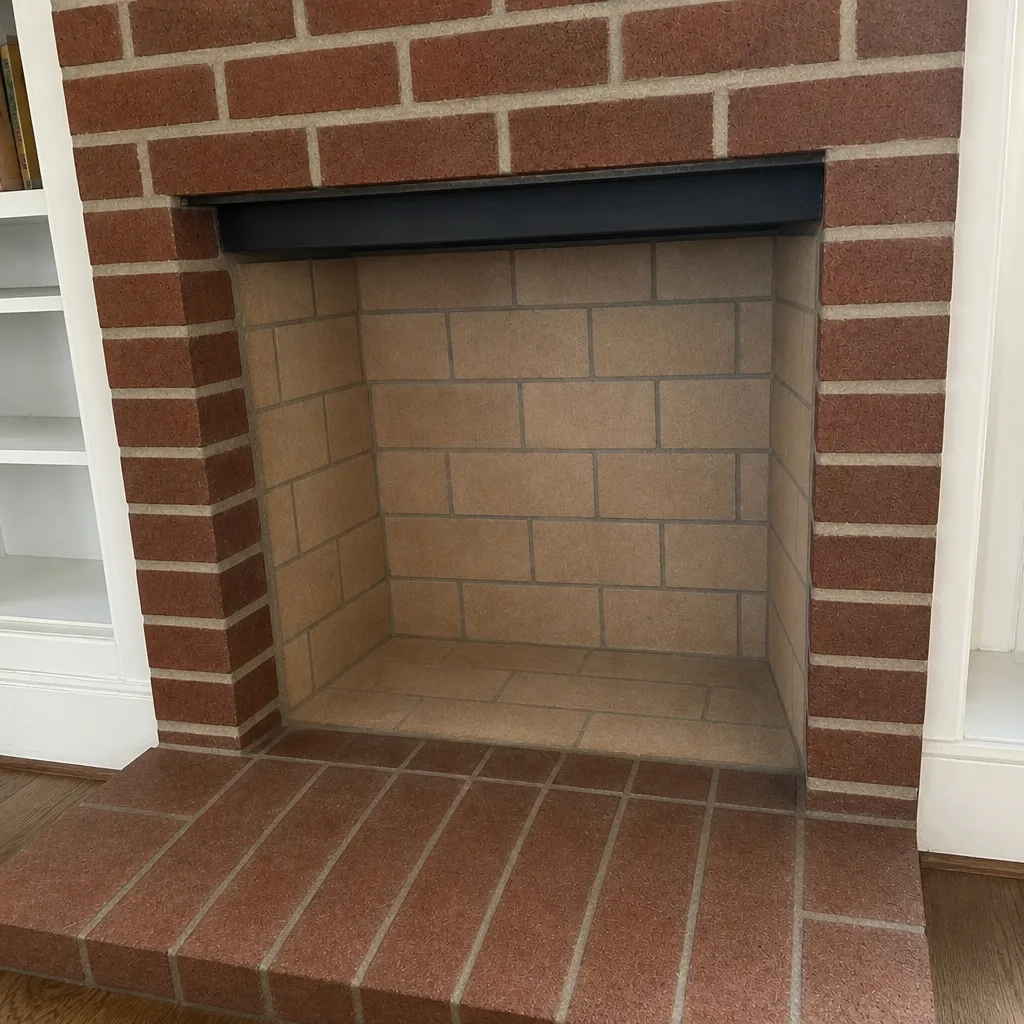 After
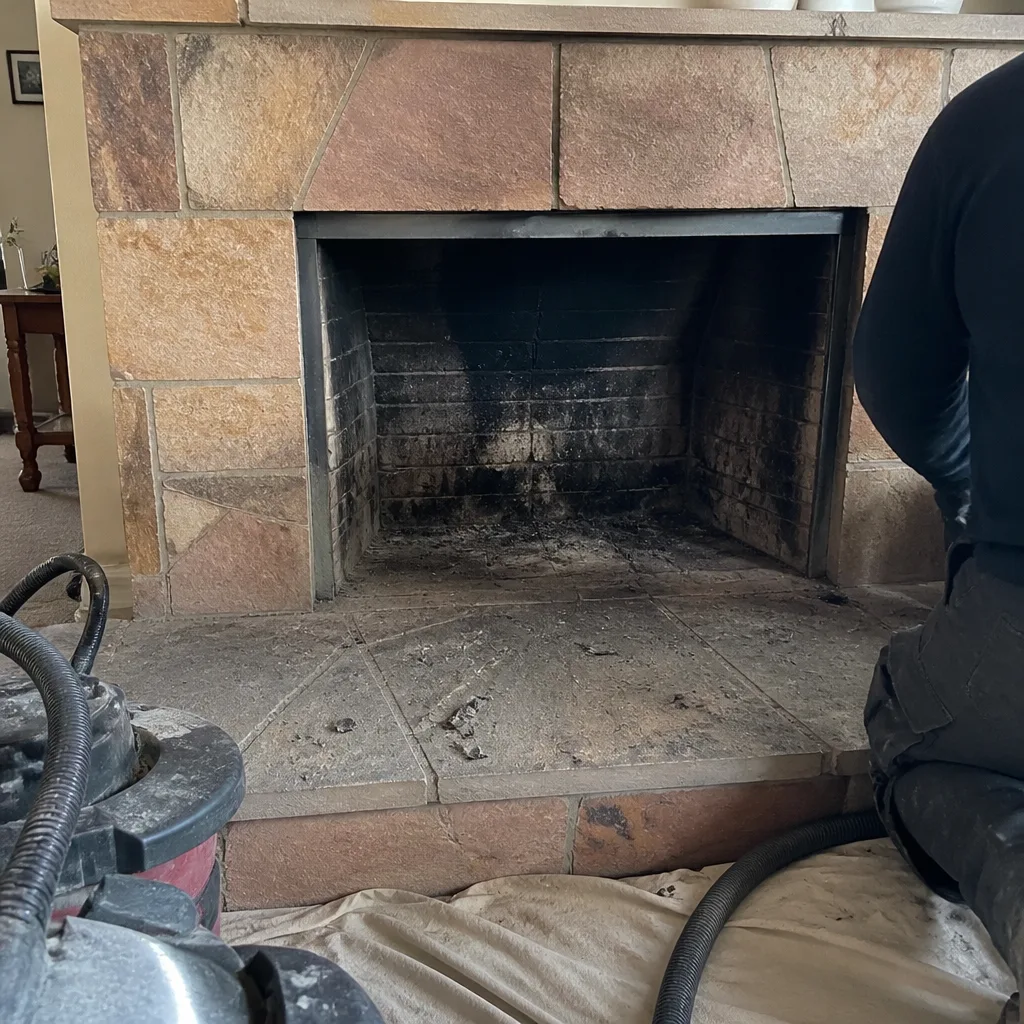 Before
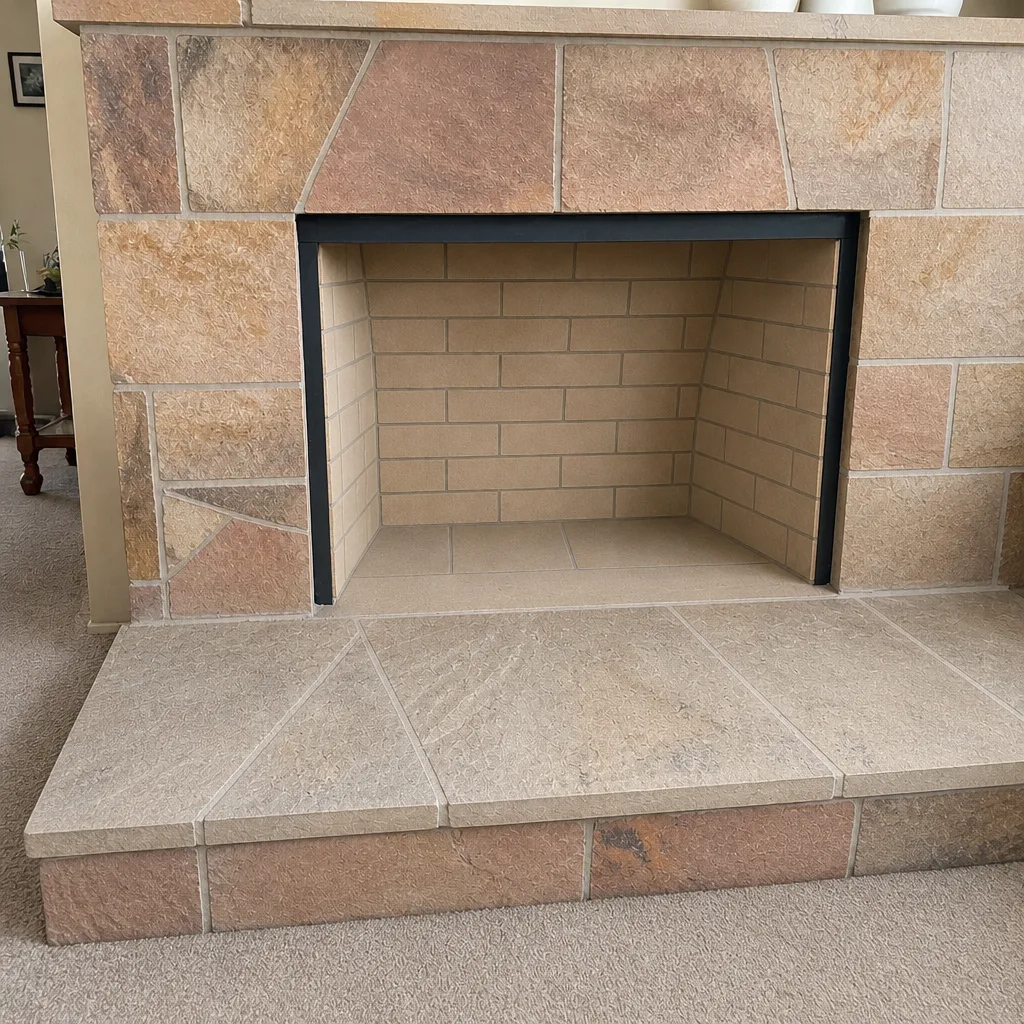 After
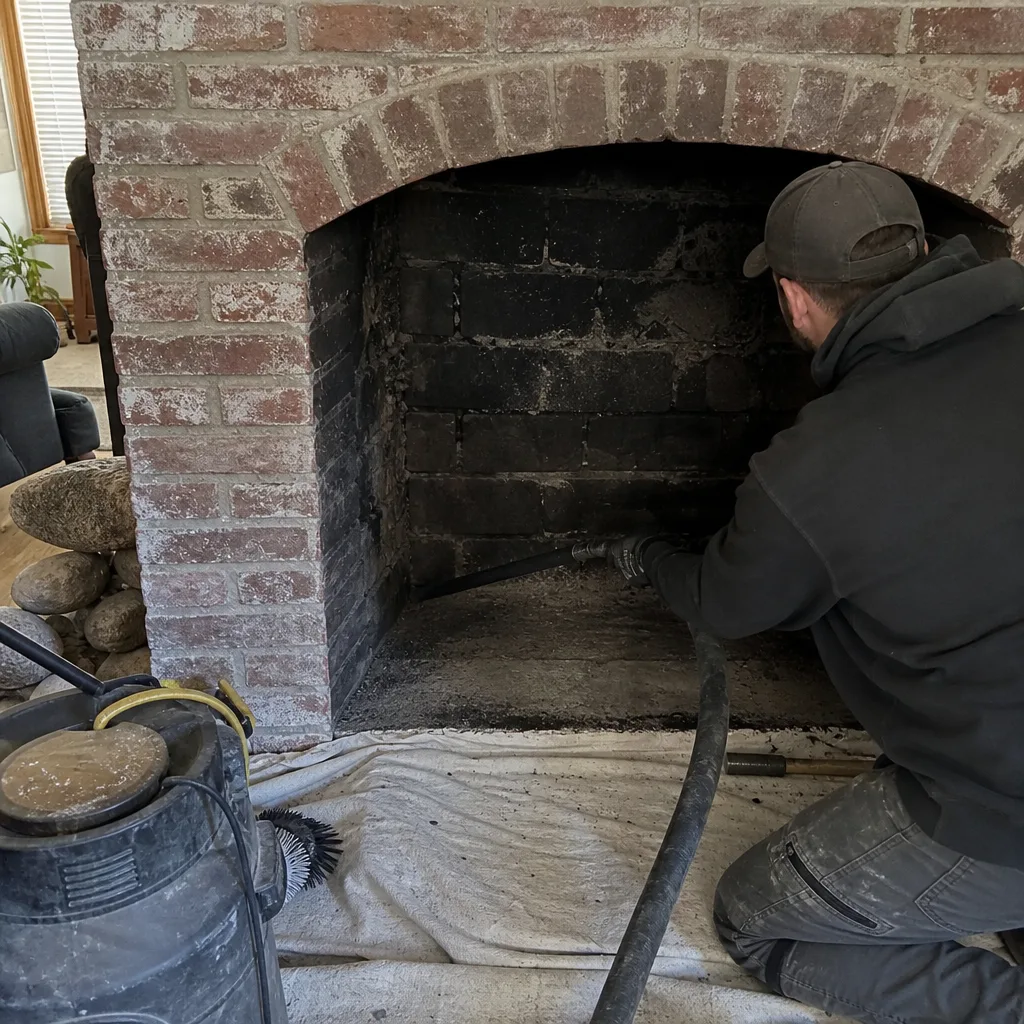 Before
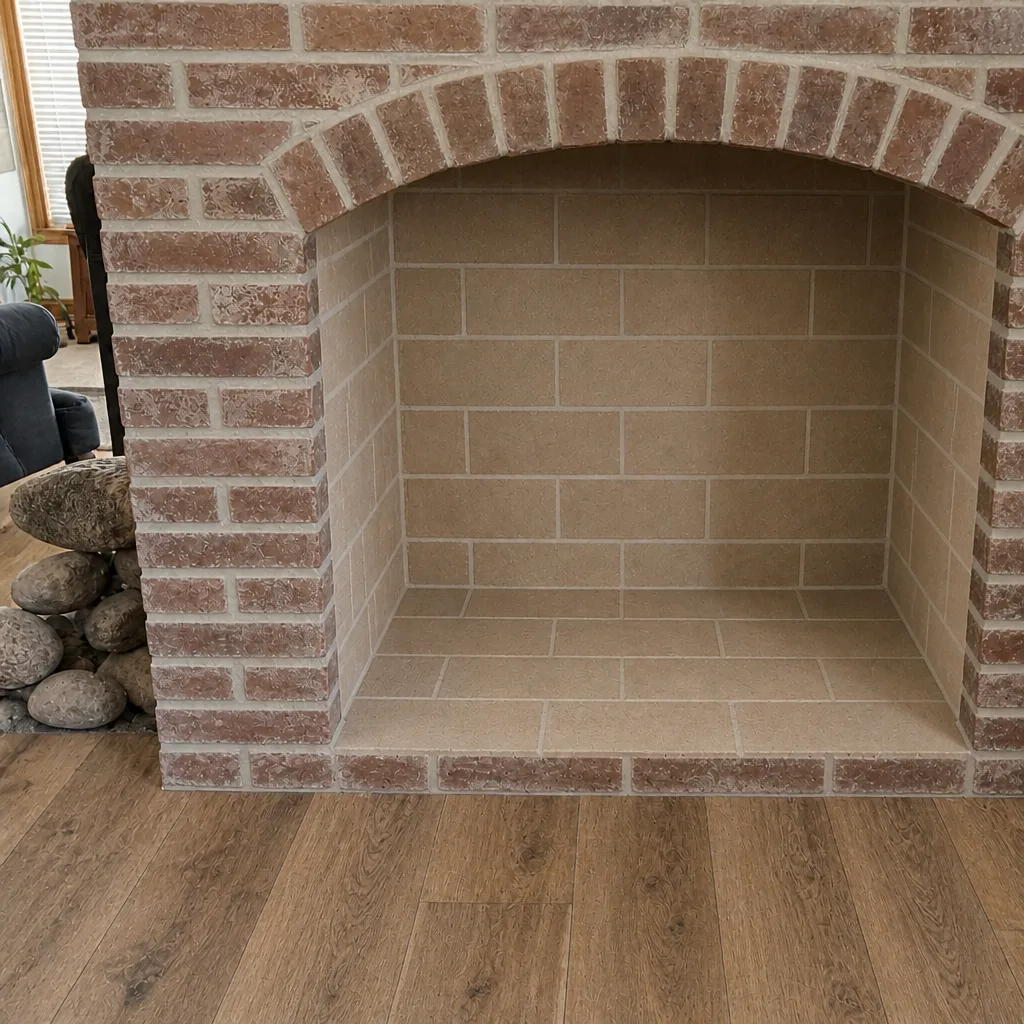 After
Frequently Asked Questions
Inspect your chimney once a year, every year, regardless of fuel type. Sweep a wood-burning chimney when enough creosote has built up to warrant it, which for most homes is about once a year and more often for heavy burners. Gas appliances rarely need cleaning but still need the annual inspection. Call (855) 360-7080 for an exact quote, and remember estimates are free.
Yes. Gas appliances produce little or no creosote, but they can develop venting problems, clogged burners, and draft issues that an inspection catches. Skipping a gas chimney because “there’s nothing to sweep” is one of the most common mistakes we see. The annual inspection is what protects the house. Call (855) 360-7080 to book one.
Late summer into early fall is the ideal window, before the September and October burning season begins. That way the flue is clean and confirmed sound before the first fire, and any defects get fixed before the cold. Check the exterior in spring, after the last hard freeze, for cracks and loose mortar left by the winter. Call (855) 360-7080 to get on the schedule.
You should see the evidence. A camera inspection and a report let you look at the inside of your own flue and decide with the technician, rather than taking a recommendation on faith. Nothing should be recommended that isn’t shown. When work can safely wait, you should hear that too. Call (855) 360-7080 and ask for the camera documentation with your estimate.
Creosote builds up and becomes a real chimney fire risk, cracks and gaps go unnoticed, and water works into the masonry through each freeze-thaw cycle. Small problems become structural ones. You may not notice anything until it’s expensive, which is why the annual inspection exists. Call (855) 360-7080 for an honest assessment, and estimates are free.
Yes, every time. Keep the date, the work done, what was found, and any camera photos or report in one folder. It supports an insurance claim if you ever need one, and it reassures buyers and inspectors when you sell the home. Call (855) 360-7080 if you’d like the documentation from your next visit.
The Bottom Line
The real schedule isn’t one reminder, it’s three running clocks. Inspect once a year, every year, whatever you burn. Clean based on how much you actually burn, with heavy wood users going more often than a decorative fireplace. Maintain the structure on the condition and age of the chimney, catching freeze-thaw damage in spring before it compounds. Book before the burning season in Longmont, keep a simple record of every visit, and ask to see the camera footage before agreeing to any repair. Our technicians have up to 9 years of experience, and we handle the whole flue, from the sweep to the liner. Call (855) 360-7080 for a free estimate. We answer 24/7. Fast dispatch from 7am to 7pm, Sunday through Friday.
Written by the team at Chimney Sweep Longmont.