
Last updated November 15, 2026
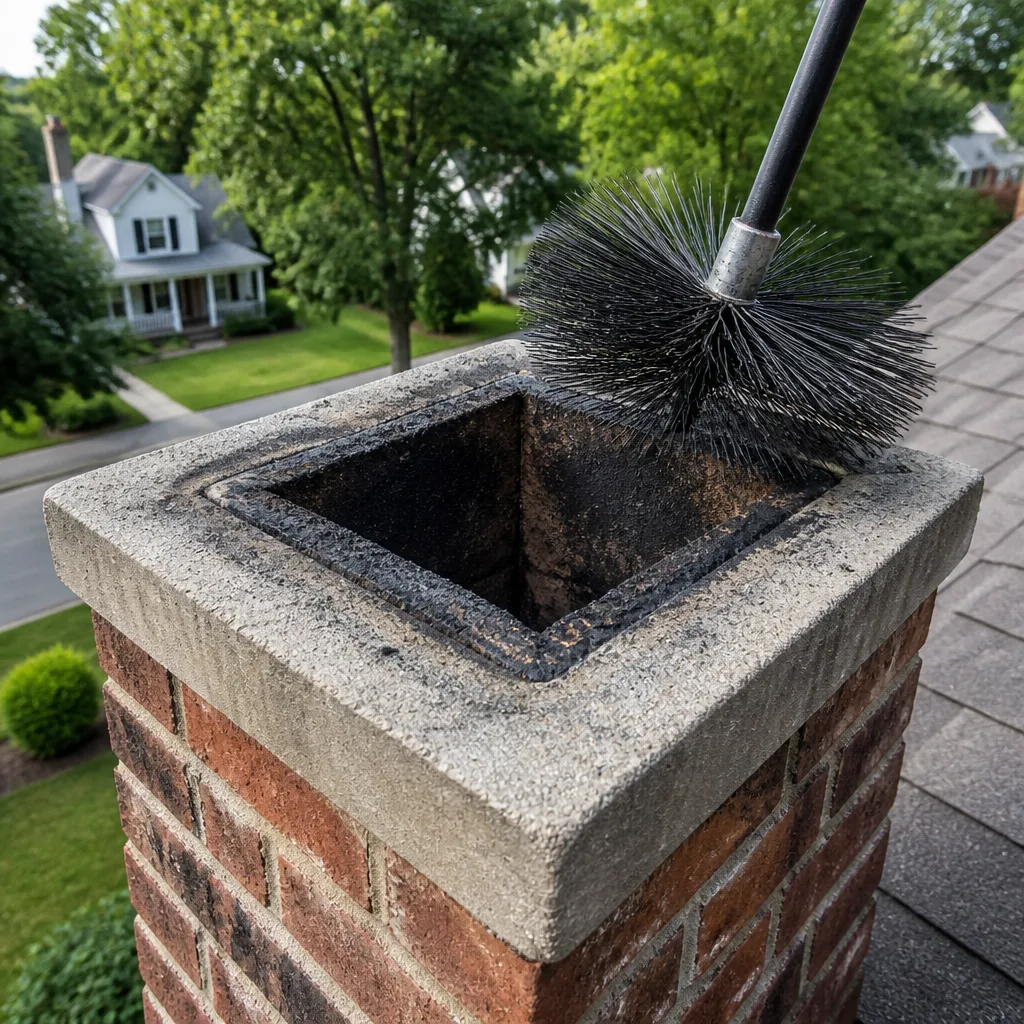 Sweep & inspection
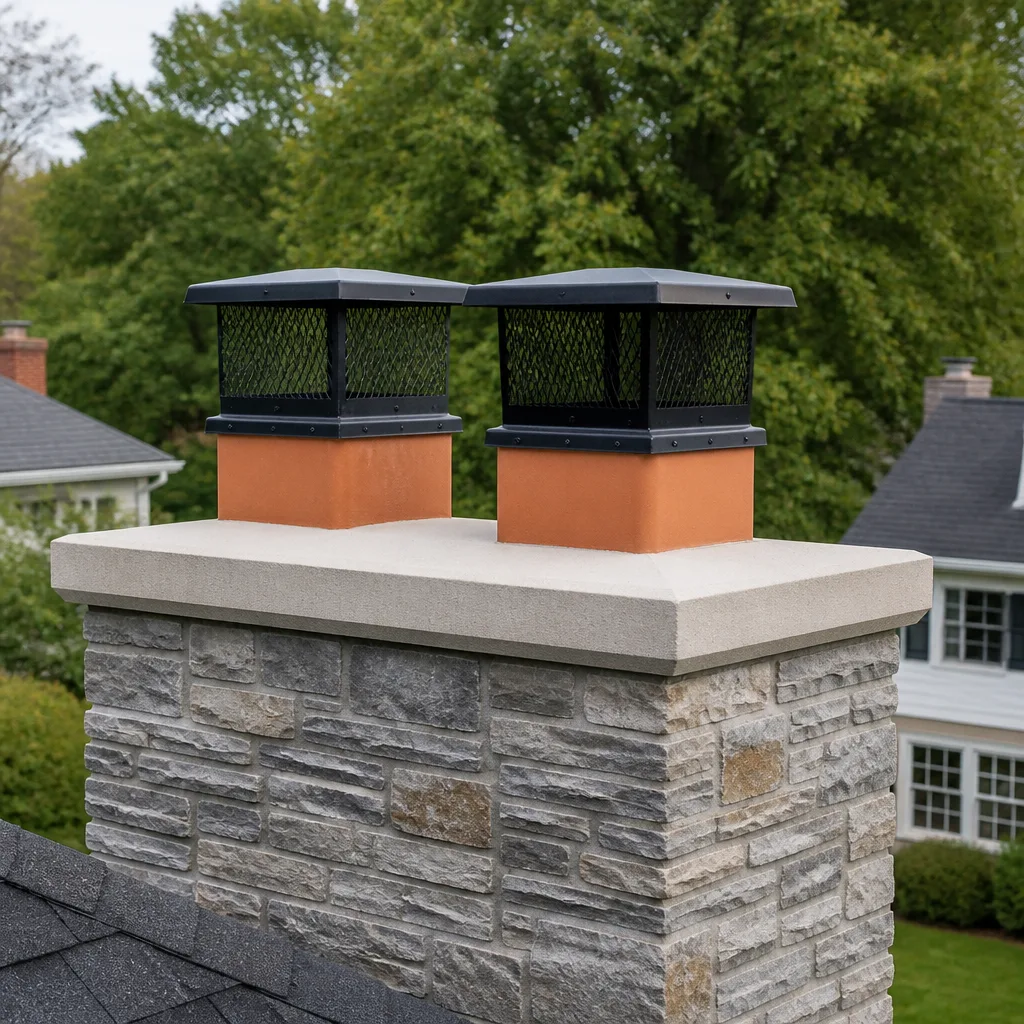 Caps & crowns
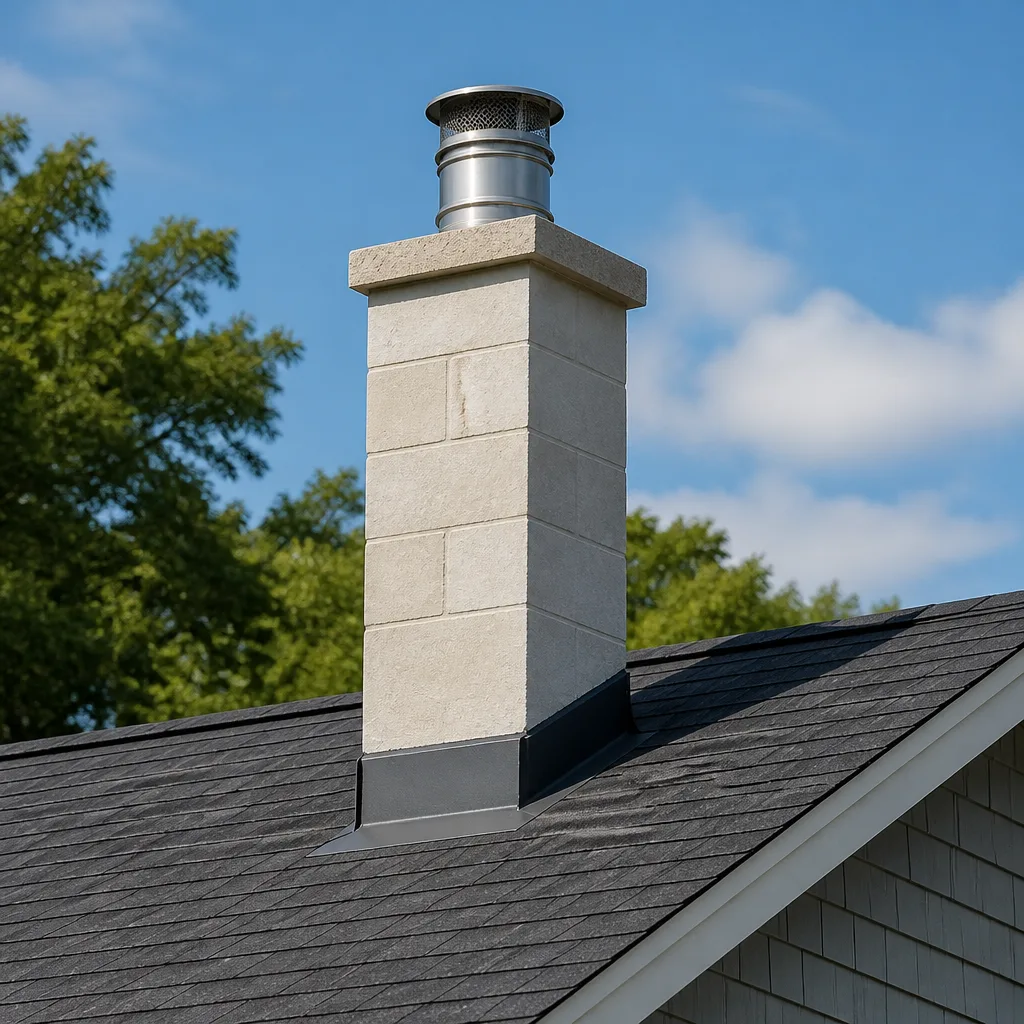 Flue relining
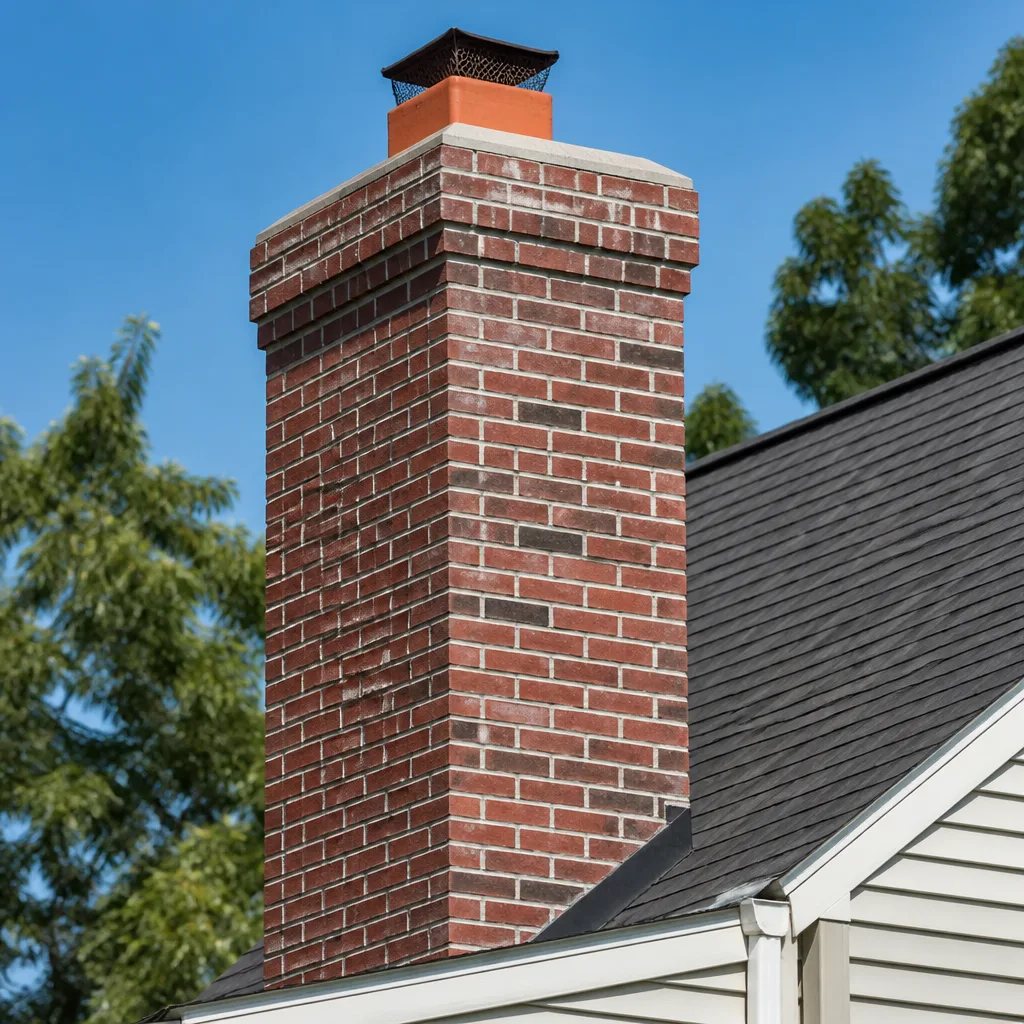 Masonry repair
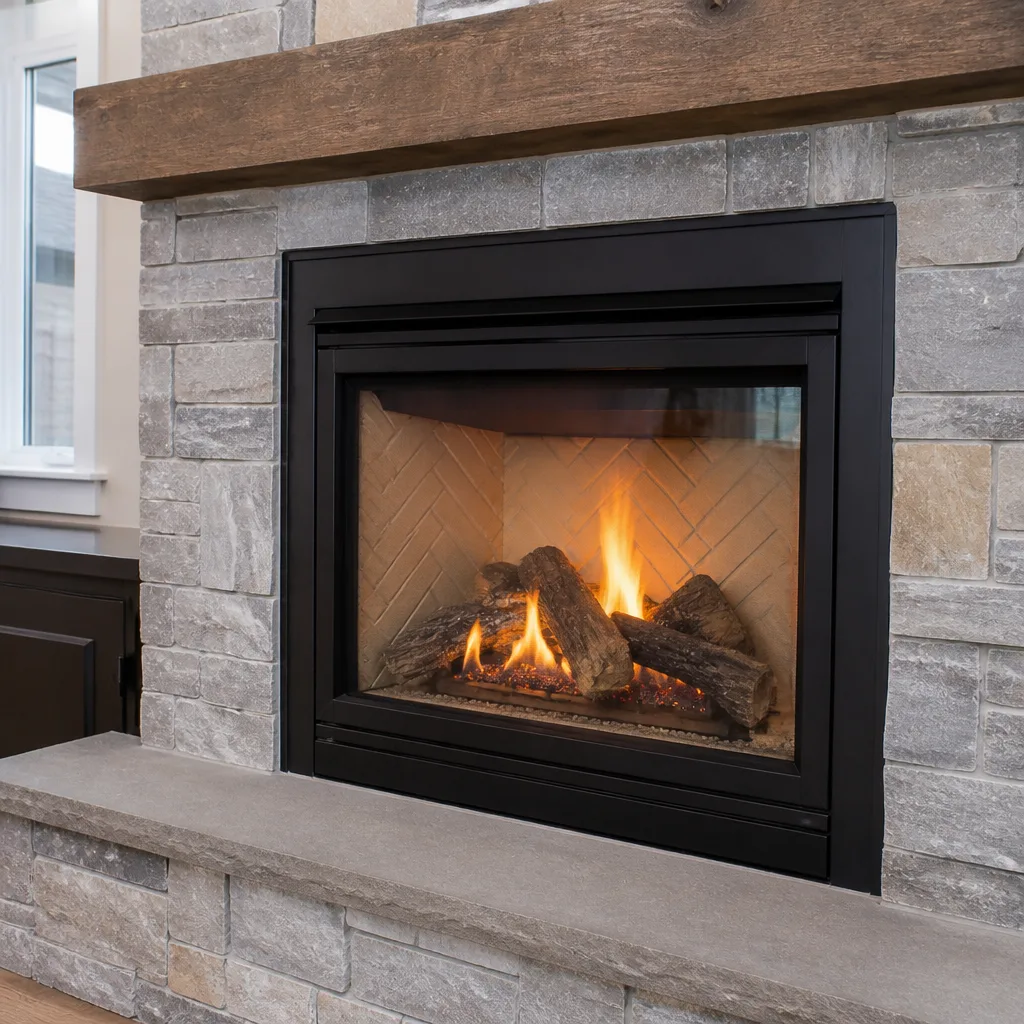 Gas fireplace service
Level 1 sweep and inspection to the NFPA 211 annual standard - flue, crown, cap, and flashing checked and photographed
Chimney sweep logs do not sweep chimneys. They loosen some creosote - which then falls where a brush and vacuum still have to collect it.
Choosing the Right Chimney Cleaning Brand: A Buyer’s Guide for Longmont
A chimney repair estimate that reads “smoke chamber repair” without naming a product can mean one of maybe a dozen different things, and they don’t perform anything alike. HeatShield Cerfractory Flue Sealant, a specified refractory product engineered for flue and smoke chamber resurfacing, and a bucket of generic hardware-store refractory cement both get written on a quote sheet as “smoke chamber repair.” One is designed to bond to masonry and hold up through heating cycles for years. The other may crack loose within a season or two. The price difference at the front end is real. The performance difference over the life of your chimney is not comparable.
This guide is about that gap. It covers what the “brand” question actually means in chimney care, how to read a material spec on a repair quote, which product names are worth recognizing, and how to tell a company that specifies materials from one that reaches for whatever’s on the shelf. If you’re choosing a chimney cleaning company in Longmont, the material spec is where the real differences live.
Quick Answer
Choosing the right chimney cleaning brand in Longmont means choosing a company that names the specific materials it installs, not one that describes work in vague terms. Ask for the product name and grade on any repair estimate, confirm the company handles structural work rather than subbing it out, and check that it uses professional-tier brands like HeatShield, DuraFlex, or Olympia Chimney rather than generic substitutes. The right brand relationship protects your chimney for decades; the wrong one leaves you paying twice.
Styles & brands we work with
- Sweep & inspection
- Caps & crowns
- Flue relining
- Masonry repair
- Gas fireplace service
Table of Contents
- What “Brand” Actually Means in Chimney Cleaning
- The Materials and Brands You Should Recognize
- How to Read a Repair Estimate Like a Technician
- What “Full-Service” Really Means in Chimney Care
- Local Shop vs. National Chain vs. Franchise
- How to Read Reviews for Chimney Companies
- Chimney Care in the Longmont Context
- Questions to Ask Before You Book
What “Brand” Actually Means in Chimney Cleaning
The phrase “chimney cleaning brand” gets used in two very different ways, and it matters which one you mean. The first meaning is company brand: the name on the truck, the logo on the invoice, the reputation that comes up when a neighbor mentions who they use. The second meaning is material brand: the actual products that go into your chimney when repair work is done. Most homeowners shop by the first and never think about the second. That’s a problem, because the first without transparency about the second tells you almost nothing.
Two companies can both call themselves chimney sweeps and both have glossy websites. One installs DuraFlex flexible liner systems from a specified manufacturer with known tolerances. The other buys whatever’s cheapest at a supply house that week and installs it under the same generic label. From the driveway, the two jobs look identical. From inside the flue, they don’t.
What a material brand tells you:
- Tested performance. Professional-tier products are engineered and tested to hold up through thermal cycling, creosote exposure, and moisture. Generic substitutes are not held to the same standard.
- Warranty backing. Products like HeatShield and DuraFlex come with manufacturer warranties; the warranty follows the product, not the installer, so it survives even if you move or switch companies later.
- Specification discipline. A company that names a product on the estimate is a company that knows what’s going into your home. A company that won’t tell you is a company that doesn’t want you to know.
- Training signal. Installing a HeatShield or DuraFlex system requires the installer to be trained on that specific product line. That’s a skills floor you can’t see from an ad.
For Longmont homeowners, the material question matters as much as the company question. Our climate swings across the year from hot, dry summers to cold, snowy winters with rapid freezes and thaws, and that cycle stresses chimney masonry and flue liners. Materials chosen for that stress cycle behave very differently from materials chosen for a mild coastal climate.
The Materials and Brands You Should Recognize
You don’t need to memorize a catalog. You do need to recognize the names that matter in a Longmont chimney quote. Here are the main names in three categories.
Flue and Smoke Chamber Repair
HeatShield is the one worth knowing first. It’s a Cerfractory flue sealant system, meaning a specialized refractory material applied to the inside of the flue or smoke chamber to seal cracks, smooth rough surfaces, and restore the liner without complete replacement. In many cases it can extend the life of a masonry chimney by years, at a fraction of the cost of a full reline. A repair estimate that says “smoke chamber resurfacing with HeatShield” tells you the contractor knows the product and has the training to use it. An estimate that just says “smoke chamber repair” tells you nothing.
Gelco is another name you’ll see on professional refractory and masonry products used in chimney work. It’s a known brand in the refractory cement category, sitting above the generic hardware-store material you might pick up yourself.
Liner Systems
DuraFlex flexible stainless liner is the industry standard for relining aged or damaged flues. When the original clay tile liner has cracked or deteriorated, a flexible stainless liner installed inside the flue restores the chimney to safe operating condition. The product is specified by grade and wall thickness, not sold as a generic one-size-fits-all. A DuraFlex installation on a Longmont chimney starts with a measured, specific liner system, not a truck-rolls-up-and-hopes-for-the-best approach.
Olympia Chimney is another professional-tier supplier of stainless liner systems and related chimney products, and Copperfield is another name you may see on specified liner or chimney installation materials. When a company names any of these on a quote, you’re getting a specified product. When it doesn’t, ask.
Maintenance Products
You don’t need to know every maintenance brand, but you should know the categories. Creosote-reducing products (like Anti-Creo-Soot) are sometimes used as part of ongoing chimney care for wood-burning appliances. Routine sweeping removes the creosote deposits that build up naturally from burning wood; the products help slow accumulation between sweeps but don’t replace physical brushing. A company that explains the difference is a company that’s thinking about your long-term chimney health, not just one visit.
How to Read a Repair Estimate Like a Technician
A chimney repair estimate should be a document you can read and ask questions about. Most aren’t. They say “flue repair” or “masonry work” and list a price, and the homeowner has no way to know what’s actually happening.
Here’s how to read one properly. The single most important thing to ask: which specific product, and what grade or model? If the answer is a real product name (HeatShield, DuraFlex, Gelco, Olympia Chimney, Copperfield), you’re dealing with a specified job. If the answer is vague (“quality materials,” “industry standard,” “refractory cement”), you aren’t.
A proper chimney repair estimate includes these elements:
- Diagnosis stated plainly. What was found, where, and how it was detected. Camera inspection is the standard; a written report with photos is the format that lets you verify the finding.
- Product named. The specific product and grade, not a category. “HeatShield Cerfractory” is specific; “smoke chamber sealant” is not.
- Scope of work described. What the installer will do, in sequence. Not “repair flue,” but “brush, photograph, apply HeatShield in two passes, cure, verify.”
- Estimated timeline. When the work can be done, how long it takes, and whether the chimney is usable during or after.
- Price, and what’s included. Whether the price covers the camera inspection, the report, cleanup, and any post-work verification.
- Warranty terms. What the manufacturer’s warranty covers, and what the installer backstops.
Cross-reference the product against CSIA (Chimney Safety Institute of America) or NFI (National Fireplace Institute) materials and recommendations where you can. Those organizations maintain public lists of approved products, and checking one against a quote takes less time than a grocery run.
If a quote names nothing specific, ask for a revised one that does. A company that can’t name its materials in writing is a company you should not be hiring for structural work.
What “Full-Service” Really Means in Chimney Care
Almost every chimney company claims to be full-service. What “full-service” means in practice varies wildly, and the variance matters most when a structural issue turns up during a routine sweep.
Here’s the useful distinction. A full-service chimney company can do all of the following with its own trained technicians:
- Chimney sweeping and inspection, including camera inspection with a photo report.
- Liner repair or replacement, including flexible stainless installs like DuraFlex.
- Smoke chamber repair, including HeatShield resurfacing.
- Masonry repair, crown work, and flashing repair.
- Cap and damper installation.
- Dryer vent cleaning, which is a separate but related fire-safety service most chimney-only companies don’t touch.
A company that only sweeps will hand you a referral when structural work is found, and the referral’s quality is anyone’s guess. A company that sublets the masonry to an unvetted crew on the other end of the phone is handing your chimney to someone you didn’t choose and can’t evaluate. That’s where the “identified during the sweep, fixed the same visit” experience falls apart.
Ask directly: does the company that sweeps my chimney do the structural repair itself, or does it pass me to another contractor? Ask for the product names it installs. Ask whether it’s authorized to install any HeatShield or DuraFlex systems. A “yes” without a product name is a soft no.
Full-service also matters for scope of responsibility. When one company handles cleaning, inspection, and repair, the record is continuous. When the sweep is one company and the repair is another, the repair crew is diagnosing from scratch. The photo report from the sweep is the most valuable input to the repair decision, and it’s much easier to maintain when both functions live under the same roof.
Local Shop vs. National Chain vs. Franchise
The business model of a chimney company affects parts sourcing, technician training, and warranty enforceability in ways you can’t see from an advertisement. Those three differences matter enormously to Longmont homeowners.
Parts Sourcing
National chains and franchises typically stock only what the corporate system supports, which means the parts on offer come from a narrow approved list. Local independents can specify products from a curated roster based on what actually works in the local climate. When you need a DuraFlex liner sized for a specific flue in an older Longmont home, having a company that can specify from multiple manufacturers matters. When you need a HeatShield application in a masonry chimney with a particular profile, the same applies.
Technician Training
Franchises often rely on centralized training programs that standardize the process and cut variance, but the training may not go as deep on specific products or tricky regional construction. Local independents who work with DuraFlex, HeatShield, Olympia Chimney, and Copperfield typically build expertise across product lines because they aren’t locked to one supplier. That breadth is what lets them match the right product to the actual condition of your chimney rather than to a corporate approved list.
Warranty Enforceability
Manufacturer warranties follow the product to you regardless of who installs it, so a specified DuraFlex or HeatShield installation carries warranty protection whether the installer is local or a franchise. What changes is who stands behind the labor. A local company that stays in the market is more likely to still be reachable in year eight than a franchise that’s been bought and rebranded. Ask who warrants the work: the manufacturer, the franchise, or both. Get it in writing.
How to Read Reviews for Chimney Companies
Online reviews are useful, but not in the way most people use them. A vague five-star review (“they were great, very professional!”) tells you almost nothing useful about a chimney company. The reviews worth reading are specific: the ones that mention a product, a technician’s diagnosis, a particular fix that worked, or how a warranty issue was handled.
What to look for:
- Product names. Reviews that mention “they installed a DuraFlex liner” or “they used HeatShield to seal the flue” reflect a customer who paid attention. That’s a strong signal.
- Specific repairs. Reviews that describe a particular defect (cracked crown, deteriorated liner, flashing leak) and the fix indicate a technical job that was explained to the customer.
- Photo reports. Mentions of a camera inspection with photos are worth more than generic praise.
- Recurring complaints. Across enough reviews, patterns emerge. If multiple reviews mention a diagnosis that didn’t match a second opinion, pay attention.
What to discount:
- Price-only reviews. Cheap chimney work often means unspecified materials, which generate costly repairs later.
- Speed-only reviews. Fast isn’t the same as thorough. A sweep that skips a camera inspection isn’t a deal.
- Vague five-stars with no detail. They might be legitimate, but they don’t help you judge the actual work.
A useful exercise is to read the two-star and three-star reviews first. That’s where honest critiques usually live, and where the company’s response reveals how it handles problems.
Chimney Care in the Longmont Context
Longmont sits in a particular climate band that chimney care has to account for. The altitude means lower oxygen density and different burn characteristics in wood-burning appliances. The winters are cold enough to produce regular freeze-thaw cycling on exposed masonry. Spring and fall bring large temperature swings across a 24-hour period, which is exactly the condition that cracks mortar joints and gasket seams. And the creosote that builds up in a Longmont flue through a heating season differs in character from what builds up at lower altitudes, which is why local expertise is worth asking about.
Older Longmont homes are another factor. Many have original masonry chimneys that were built before modern liner standards, and their clay tiles are what’s often cracked or deteriorated when a home inspection flags the chimney. The right response to a deteriorating clay tile liner in a historic Longmont home is a specified reline: usually a DuraFlex flexible stainless liner sized for the actual flue profile, sometimes combined with HeatShield resurfacing on the smoke chamber above it. That’s the specified version of the repair. The unspecified version, unfortunately, is often “spray some refractory cement on it,” which doesn’t address the underlying defect and doesn’t hold.
Newer Longmont homes with factory-built fireplaces have their own requirements. The liner is an engineered system with specific tolerances, and it’s not a job for generic substitutes. If a company can’t name the product it’s installing in a factory-built appliance, don’t let them near it.
If you’re looking for a chimney sweep in Longmont, ask for a company that works across both masonry and factory-built systems and can specify from professional-tier product lines on either. That’s the difference between a company that handles your sweep and one that handles your chimney long-term. To read more about the local approach, see our Longmont service page.
One more local factor worth knowing: dryer vents. Most chimney companies in the area focus entirely on fireplaces and wood stoves. Meanwhile, dryer vent lint is a leading cause of household fires per NFPA safety data, and the vent runs in many Longmont homes are longer than code minimums, which increases lint accumulation. A company that offers dryer vent cleaning alongside chimney work is covering a fire risk most of its competitors skip.
Questions to Ask Before You Book
The fastest way to sort companies is to ask a few specific questions on the phone before you book. Good companies answer without hesitation. Weak ones hedge. Here are the questions worth asking, in order.
- “What product would you use if my flue needed to be relined, and why?” The answer should name DuraFlex or Olympia Chimney (or similar specified brand) and explain the reason, not just the category.
- “Do you use HeatShield for smoke chamber resurfacing, and are you trained on it?” A company that does will say yes quickly. A company that doesn’t will change the subject.
- “Will I get a camera inspection with photos in my report?” Every proper chimney visit includes this. If it’s optional or extra, note that.
- “Who does the structural repair if you find a defect, you or another contractor?” Full-service companies do it themselves. Referral companies don’t.
- “Is your estimate free, and what’s included in it?” The right answer is that the estimate is free and it’s built per job, with the written estimate setting the final price.
- “What warranty comes with the repair product, and who backs the labor?” Manufacturer warranty details should be clear; the labor backstop should be in writing.
- “Can I see sample reports?” A serious company has them ready. It’s one of the easiest ways to see whether the company actually documents what it finds.
If a company can answer all seven confidently, that’s a much stronger signal than any review or ad. If it stumbles on three or four, keep calling.
Common Mistakes to Avoid
- Asking for “a chimney sweep” without asking about the report. A sweep without a camera inspection doesn’t tell you the condition of the flue. Ask for a report with photos before you book, not after.
- Accepting a repair quote with no product name. “Smoke chamber repair” and “flue repair” are not product names. They’re placeholders. Ask what’s actually being installed, in writing.
- Assuming the cheapest quote is the best quote. The cheapest is often the one with the most generic materials. If a quote for the same scope comes back significantly lower than others, ask what’s different about the products being used.
- Skipping years of maintenance and then booking a repair right away. Longmont homes with a few skipped seasons of sweeping often have creosote buildup that needs cleaning before any repair can be evaluated. Clean first, then diagnose.
- Hiring a sweep-only company for a structural repair. If a sweep discovers a deteriorated liner and refers you out, the repair crew is working without the sweep’s photo record. A company that handles both keeps the whole job in one file.
- Ignoring the dryer vent. Many Longmont homes have significant lint accumulation in the dryer exhaust, and lint is a fire fuel. Chimney-only companies skip this; ask whether yours covers it.
- Not asking about warranty on the labor. Manufacturer warranty on the product is standard for professional-tier brands. Labor warranty varies. Get it in writing before you sign.
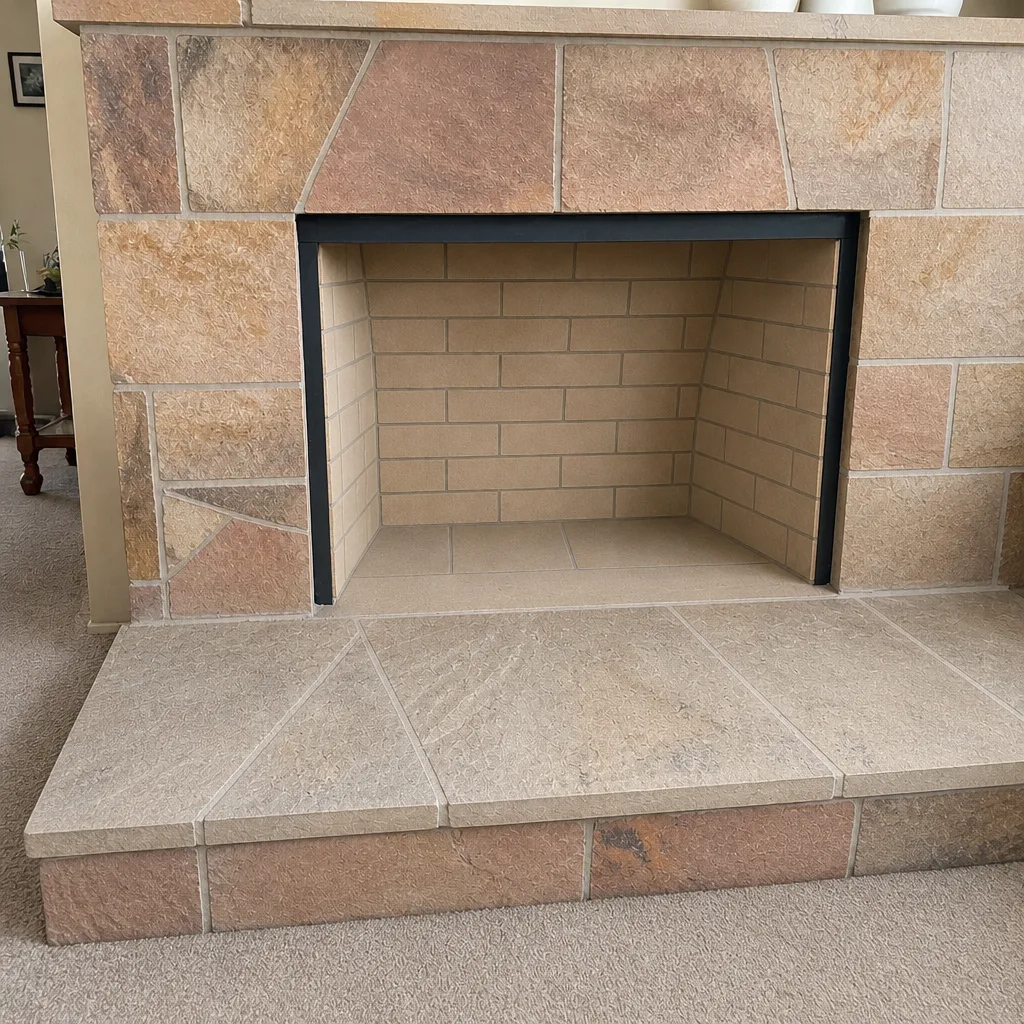
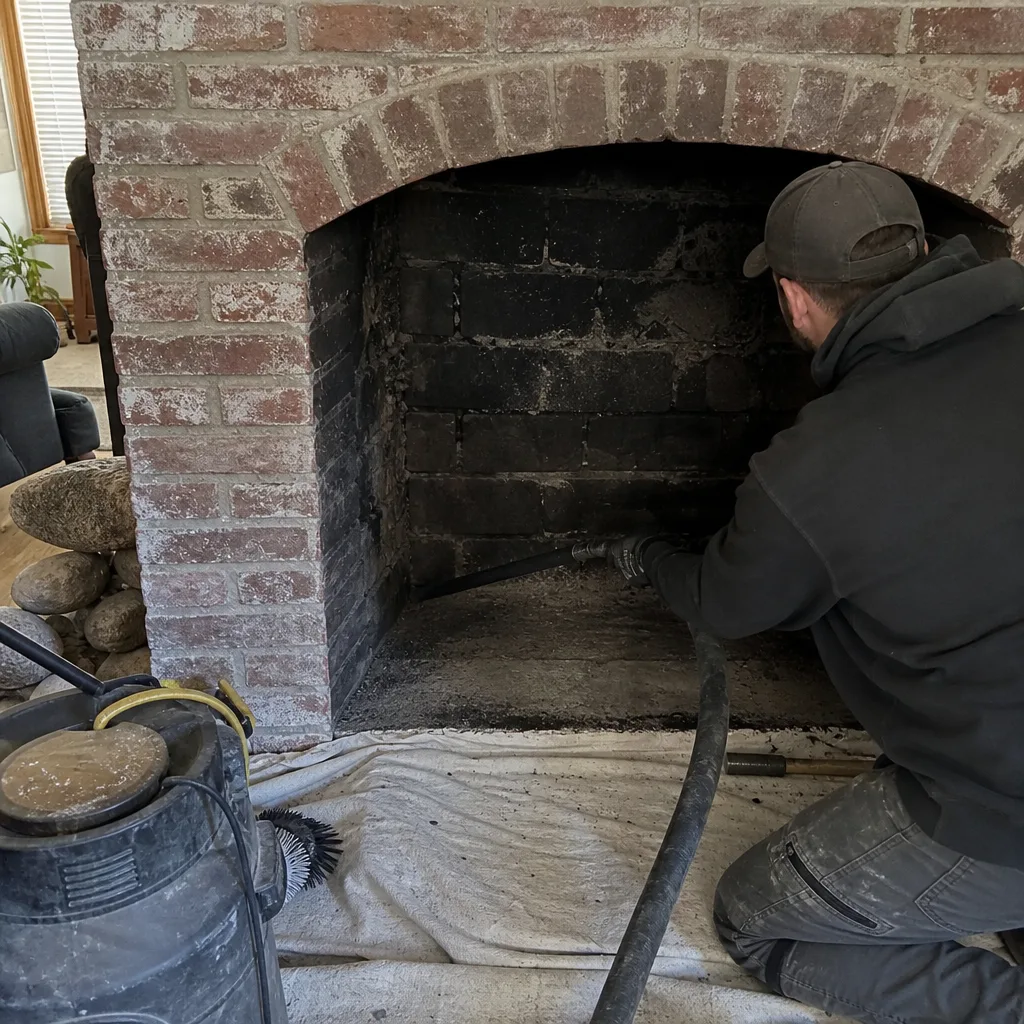
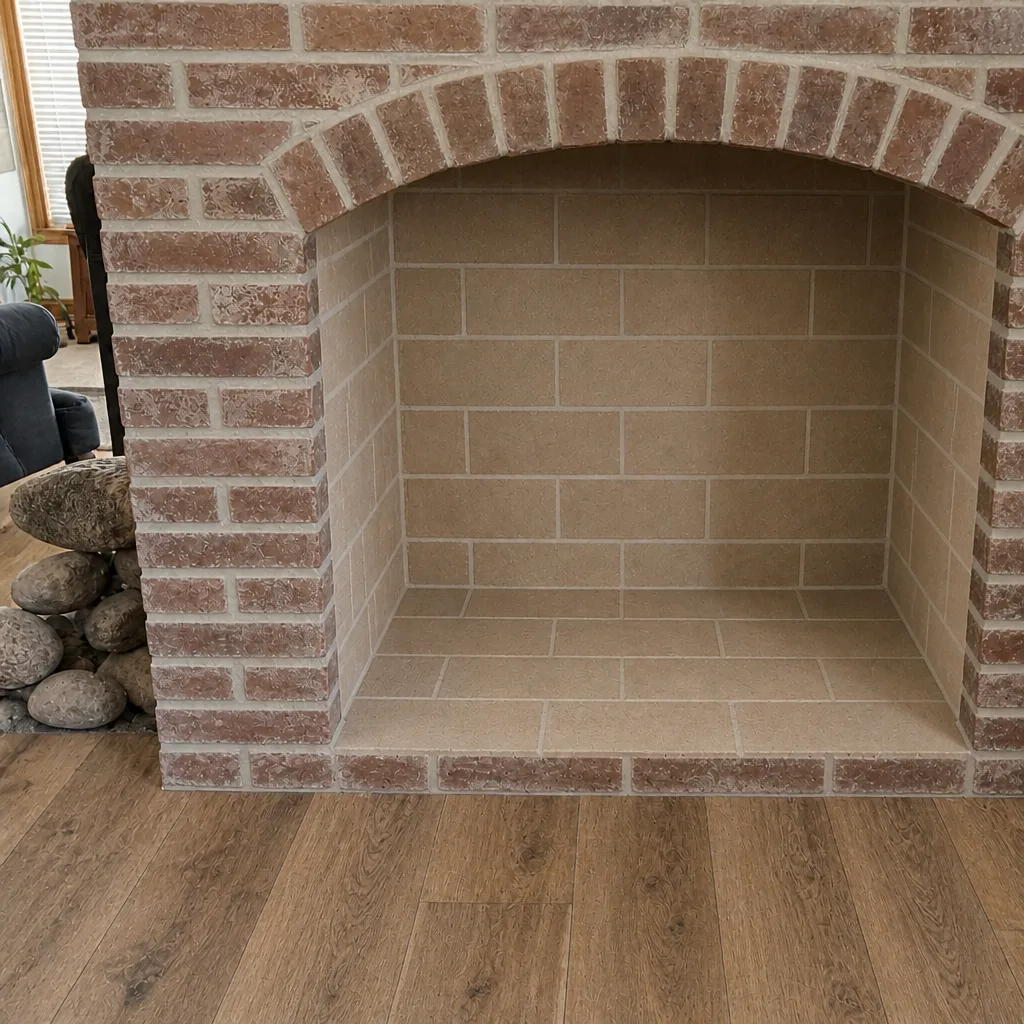
See the difference
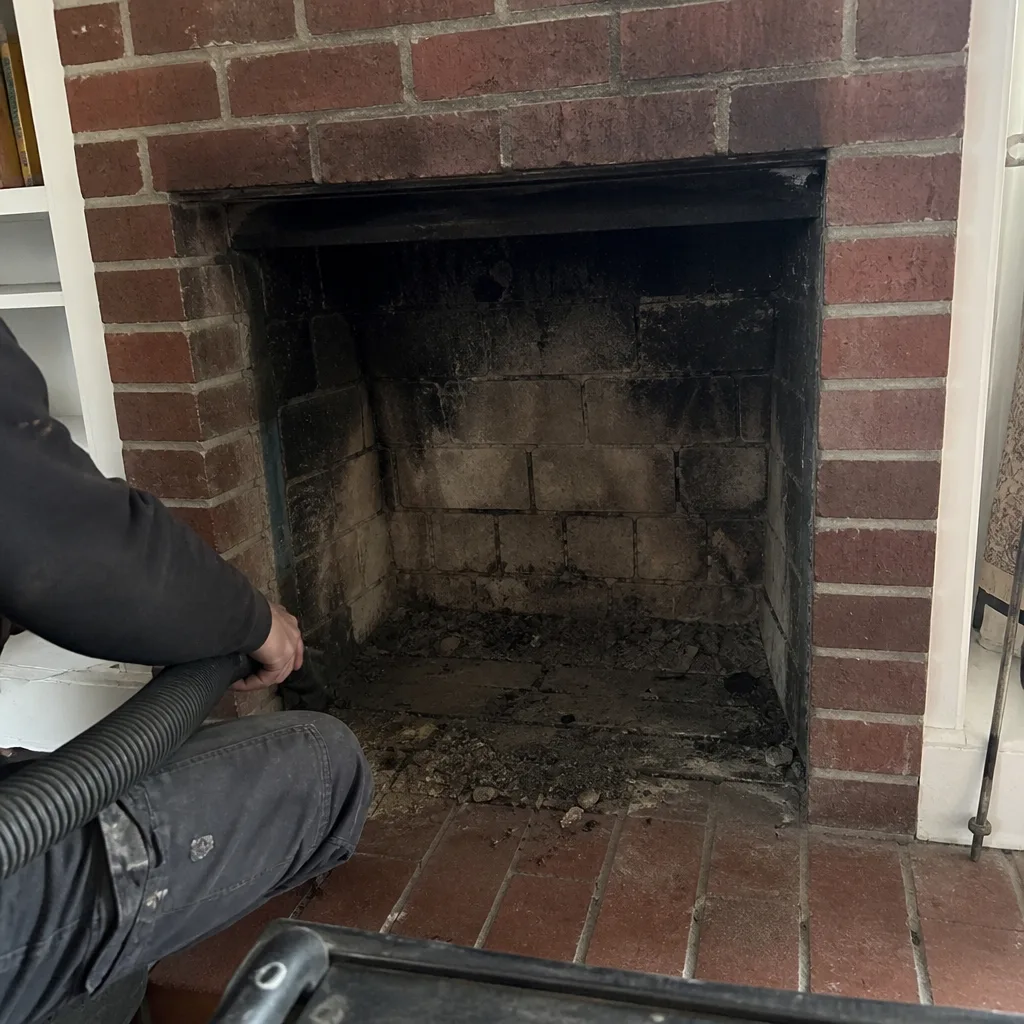 Before
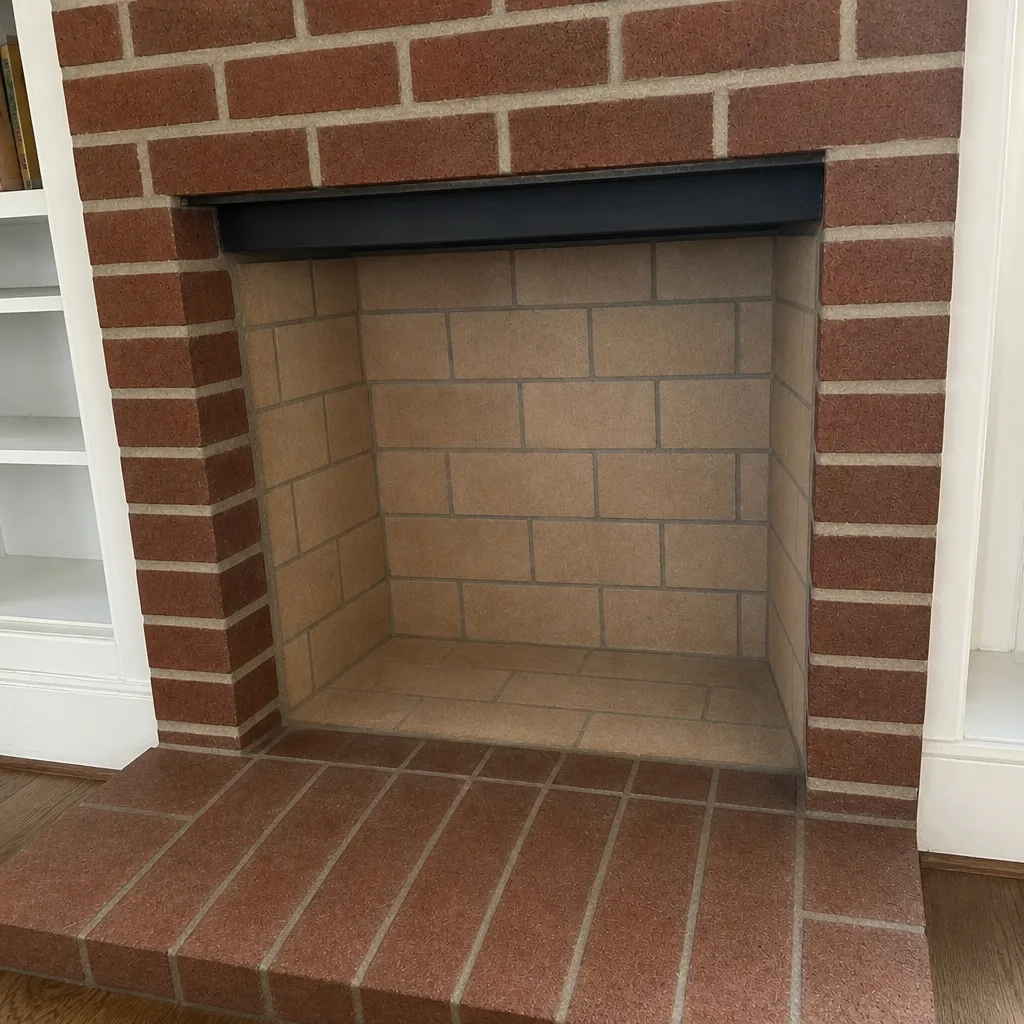 After
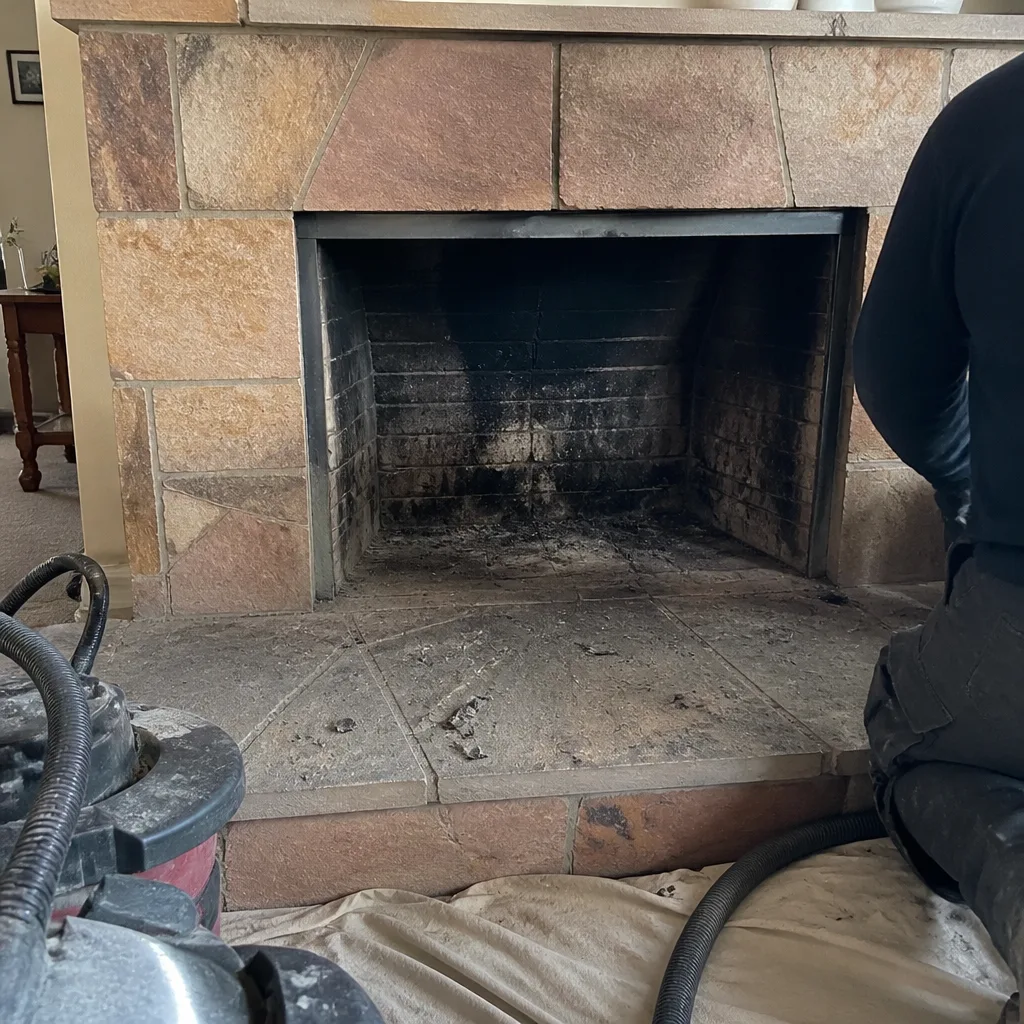 Before
 After
 Before
 After
When to Call a Professional
Some chimney issues are safe to observe; many aren’t. Call a professional if you smell smoke in the house when the fireplace is not in use, if you see cracked or missing mortar joints around the chimney exterior, if the chimney is leaning, if there’s water staining or efflorescence on the masonry, if the fire doesn’t draw properly, or if a home inspector has flagged the chimney on a report. Any of those situations warrants a camera inspection and a written report before you make repair decisions. Routine maintenance scheduling is another trigger: an annual sweep and inspection is the standard recommendation for wood-burning appliances, and skipping seasons accelerates wear. Chimney Sweep Longmont offers free estimates in Longmont – call (855) 360-7080 to book an inspection and get a written report. We answer 24/7. Fast dispatch from 7am to 7pm, Sunday through Friday.
Frequently Asked Questions
Choose a company that names the products it installs, provides a camera inspection with photos, handles structural repairs itself rather than referring them out, and can point to specific professional-tier brands like DuraFlex, HeatShield, or Olympia Chimney on its estimates. Ask three diagnostic questions on the phone: what product you’d use to reline my flue, do you do HeatShield resurfacing, and who does the structural repair. The answers tell you most of what you need to know. Call (855) 360-7080 for an exact quote – estimates are free.
HeatShield for smoke chamber and flue resurfacing, DuraFlex, Olympia Chimney, and Copperfield for stainless liner systems, and Gelco for refractory products are the names that should appear on a professional estimate. If none of those show up, ask for a revised quote that names the specific product and grade. A generic “refractory cement” or “smoke chamber sealant” description doesn’t tell you what’s going into your chimney. Call (855) 360-7080 for a written estimate with specified materials.
An annual sweep and inspection is the standard recommendation for wood-burning appliances, and the annual cadence matters most in a climate with a long heating season. If you burn regularly through the winter, book the sweep before the start of burning season so creosote buildup doesn’t compound across months. Homeowners who’ve skipped several years should book a sweep plus camera inspection to establish a baseline. Call (855) 360-7080 to book – estimates are free.
A sweep cleans and inspects; a repair company fixes structural defects. The distinction matters because a sweep-only company will hand off repair work when a defect is found, and a repair company will fix what it discovers without passing the job on. A full-service company does both under one roof, which keeps the photo report from the sweep in the same file as the repair scope. Chimney Sweep Longmont handles both, plus dryer vent cleaning, for a single point of responsibility. Call (855) 360-7080 for a free estimate.
Often, yes. HeatShield resurfacing seals cracks and restores the interior surface of a masonry flue or smoke chamber without a full reline, which is why it’s specified in cases where the underlying structure is sound and the defect is surface-level. It’s not the answer in every case: a fully deteriorated clay tile liner needs a flexible stainless reline (like DuraFlex), not a resurfacing. The right approach depends on what the camera inspection finds. Call (855) 360-7080 to book an inspection.
Because lint accumulation is a leading cause of household fires per NFPA data, and most chimney companies don’t offer the service. If you’re booking a chimney sweep, it’s an efficient time to clear the dryer vent too. The fire risk is separate from chimney creosote, but the reasoning is the same: a fuel source builds up unseen, and clearing it prevents the failure. Ask whether your chimney company covers dryer vent cleaning; many don’t. Call (855) 360-7080 for a free estimate that covers both.
The Bottom Line
The brand question in chimney care isn’t about whose name is on the truck. It’s about which materials go into the chimney. A HeatShield specification on a smoke chamber repair and a generic refractory cement quote are not the same repair, even if the line item on the estimate says the same words. The right Longmont chimney company names the products it installs, documents the diagnosis with a camera inspection and photos, handles structural work itself rather than passing it off, and covers dryer vents in addition to the flue. Ask about material brands before you book, cross-reference them against CSIA or NFI recommendations, and read reviews for product-level detail rather than vague praise. When you can see the materials spec in writing, you can make a real decision.
Chimney Sweep Longmont is Chimney Sweep Longmont, offering chimney sweeping, chimney repair with specified professional-tier materials, and dryer vent cleaning. Call (855) 360-7080 for a free estimate. We answer 24/7. Fast dispatch from 7am to 7pm, Sunday through Friday. Our technicians have up to 9 years of experience, and we name the brands we install because you deserve to know what’s going into your home.
Written by the team at Chimney Sweep Longmont.