
Last updated November 15, 2026
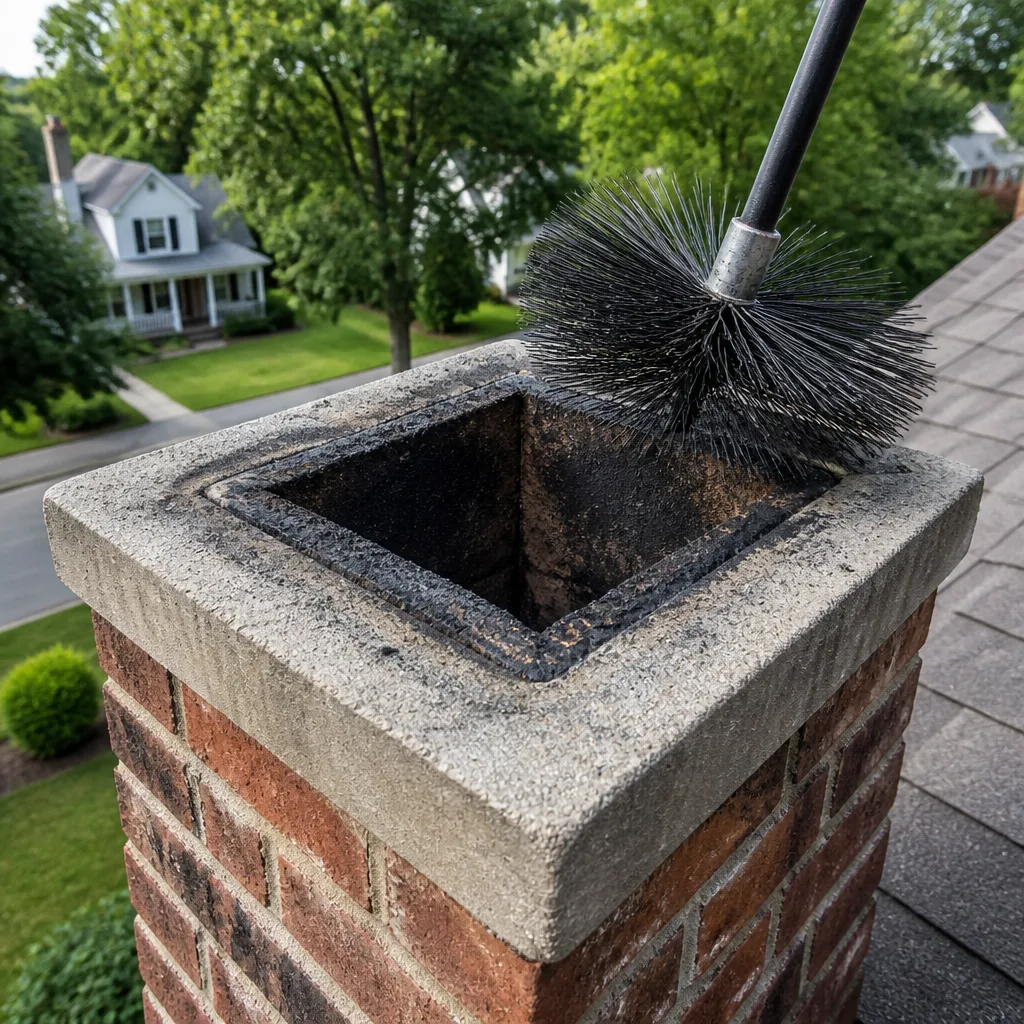 Sweep & inspection
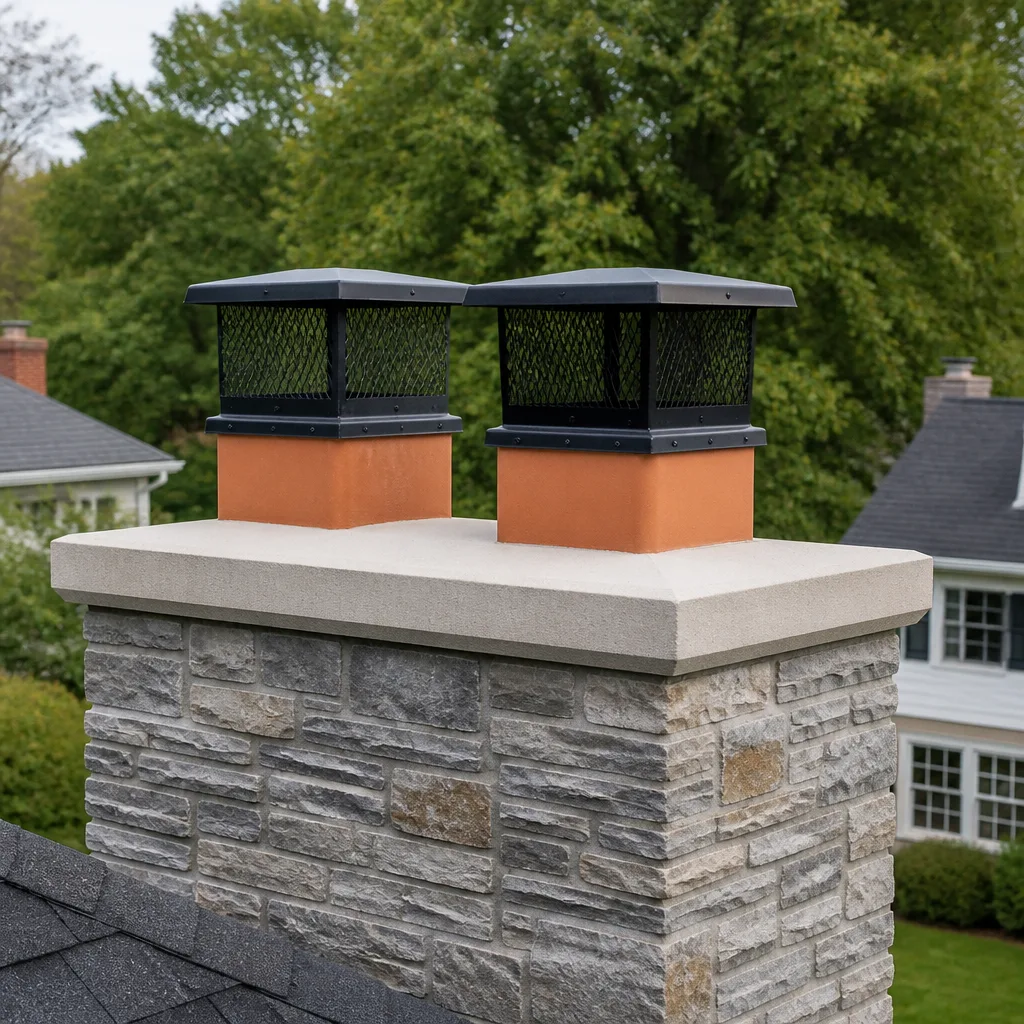 Caps & crowns
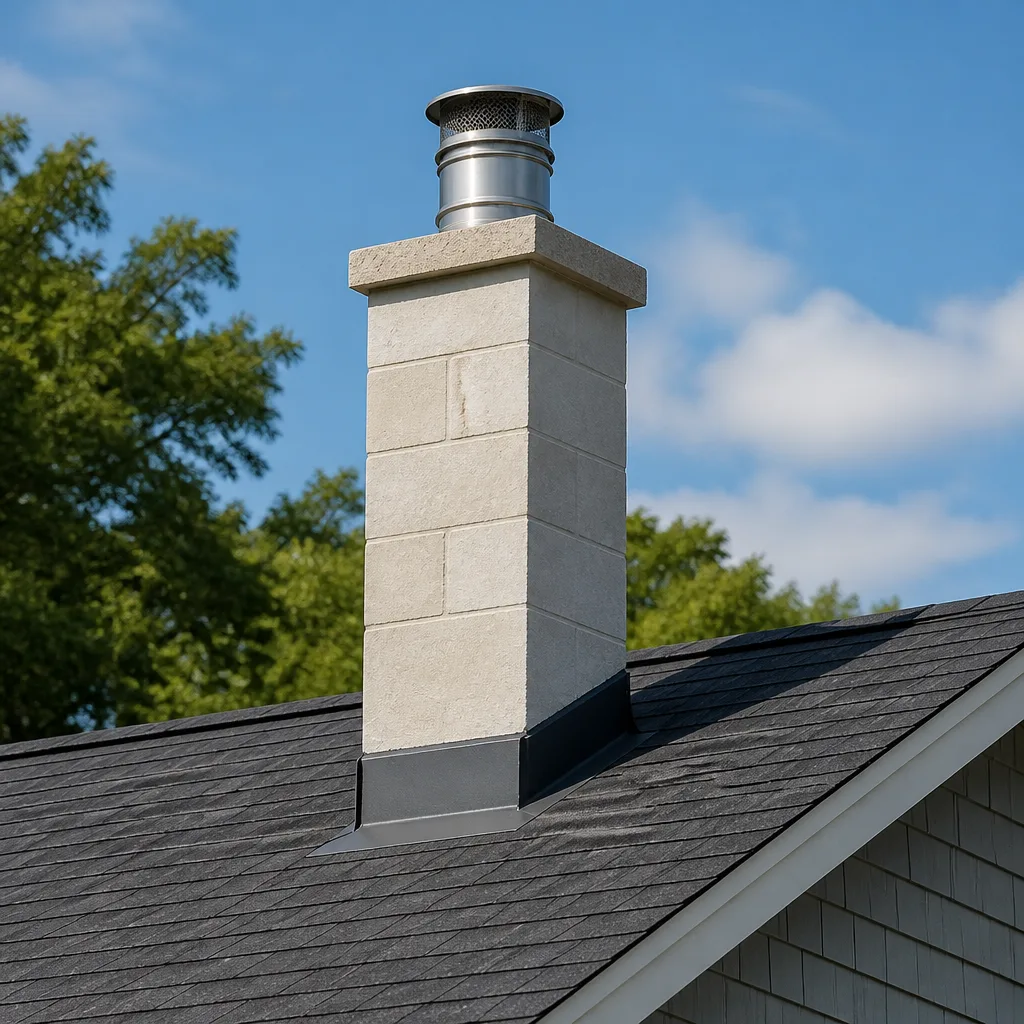 Flue relining
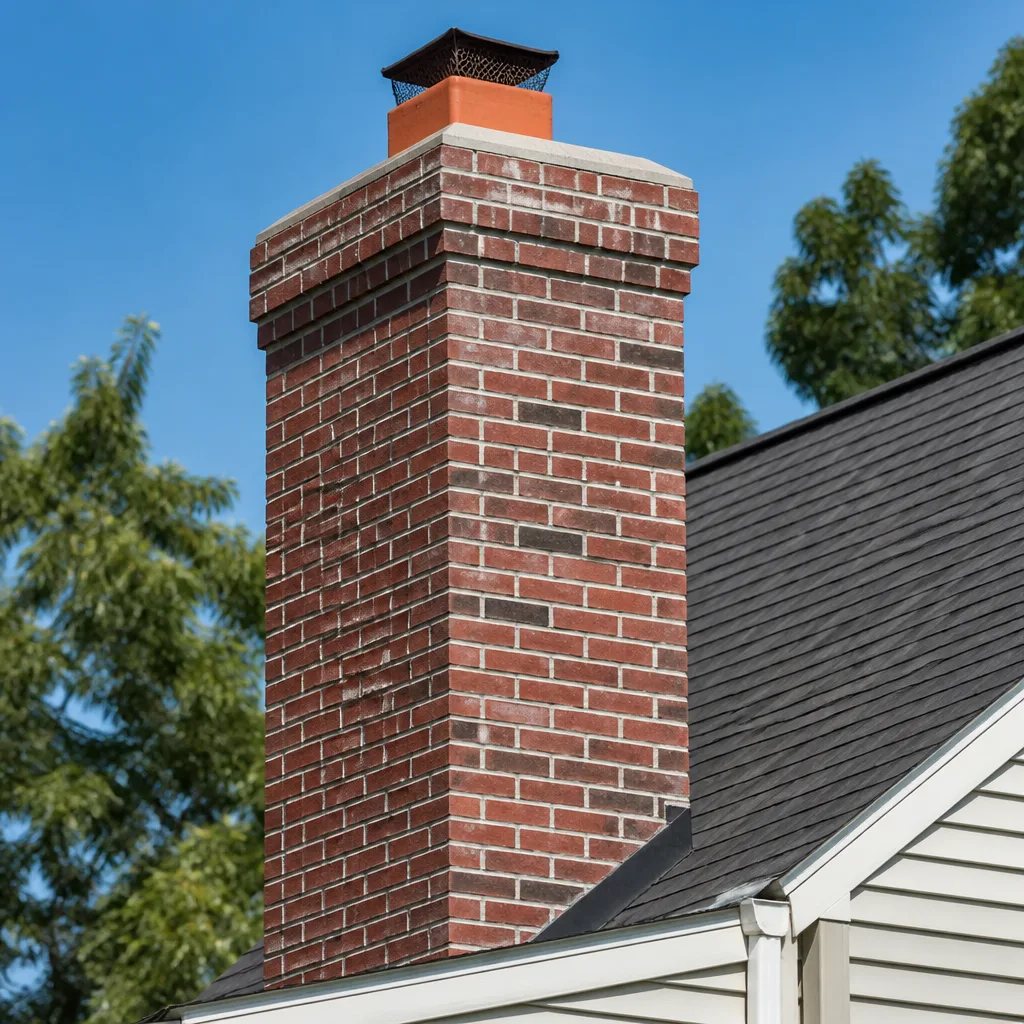 Masonry repair
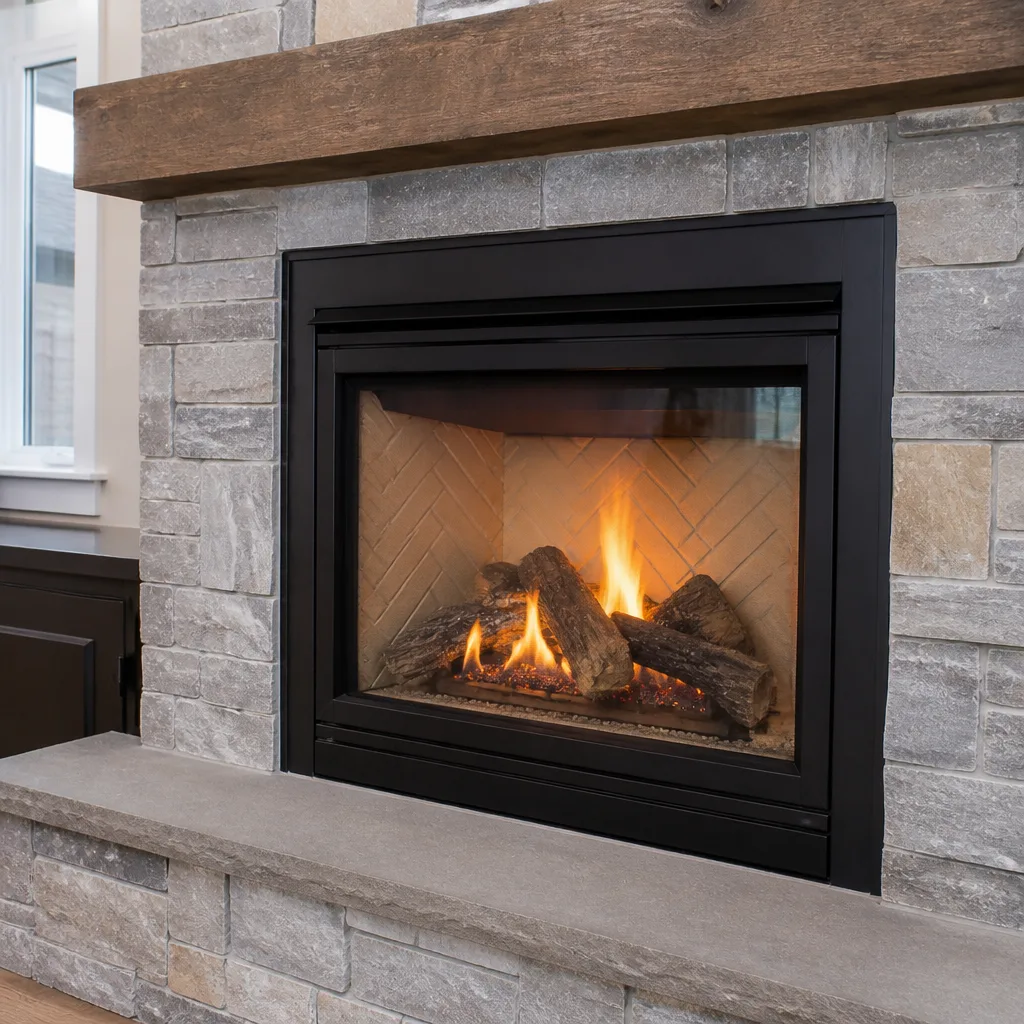 Gas fireplace service
Level 1 sweep and inspection to the NFPA 211 annual standard - flue, crown, cap, and flashing checked and photographed
Chimney sweep logs do not sweep chimneys. They loosen some creosote - which then falls where a brush and vacuum still have to collect it.
How to Hire a Chimney Cleaning Contractor in Longmont: A Step-by-Step Guide
Colorado has no state licensing requirement for chimney sweeps, which means the person inspecting your flue liner could have exactly as much formal training as they choose to pursue – or none. That single fact changes how you should hire. You can’t call a state board and confirm a credential that doesn’t exist, so the screening has to happen in the questions you ask before anyone climbs on your roof. Most homeowners never ask them. They book on price and a friendly phone voice, then wonder why one company recommends a full reline and the next says the flue is fine. This guide gives you a framework based on what a qualified sweep actually does – the inspection, the documentation, the materials – so you can compare Longmont chimney companies on substance instead of sales pitch. By the end you’ll know exactly what to ask, what a real inspection report looks like, and which red flags should end the conversation.
Styles & brands we work with
- Sweep & inspection
- Caps & crowns
- Flue relining
- Masonry repair
- Gas fireplace service
Quick Answer
To hire a chimney cleaning contractor in Longmont, verify certification (CSIA Certified Chimney Sweep or NFI credentials), ask how they access and inspect the liner, insist on a written inspection report with photos, and confirm which named repair materials they use before any work is quoted. A credible sweep documents findings first and recommends repairs second. If a company can’t answer those four points clearly, keep looking.
Table of Contents
- Why Hiring a Chimney Sweep in Longmont Is Harder Than It Looks
- What CSIA and NFI Credentials Actually Verify
- The Five Questions to Ask Before You Book
- How to Read a Chimney Inspection Report
- Red Flags Specific to Low-Bid Chimney Companies
- Why Local Beats National Franchise in Longmont
- Materials Matter: What Should Go Into Your Chimney
- Common Mistakes to Avoid
- When to Call a Professional
- Frequently Asked Questions
- The Bottom Line
Why Hiring a Chimney Sweep in Longmont Is Harder Than It Looks
The chimney trade sits in an odd regulatory gap. Electricians, plumbers and roofers in Colorado answer to state licensing boards with defined scopes, exams and continuing education. Chimney sweeps generally don’t. There’s no state license class for the work, which means the barrier to hanging a shingle and calling yourself a chimney professional is essentially zero. That’s not a knock on the trade – plenty of excellent sweeps operate without a state license because none exists to get. It just means the credential you’d normally rely on isn’t there, so you have to substitute something else.
What you substitute is third-party certification, documented inspection, and transparency about materials. Those three things separate a contractor who can actually assess your flue from someone running a leaf blower up a chimney and handing you an invoice.
In Longmont specifically, the stakes are higher than in a lot of places. Homes here burn wood seriously through the cold months, and a lot of the housing stock is older – meaning clay tile flues that have had decades of heating and cooling cycles, plus the Front Range’s expansive clay soils shifting foundations under masonry chimneys. A sweep who doesn’t know how to look at a clay tile liner for hairline cracking, or who doesn’t understand how soil movement affects a masonry stack, is going to miss the exact defects that matter most here.
The good news: a competent contractor will happily show you their credentials and their inspection process. The screening framework below works because it asks for evidence, not assurances.
What CSIA and NFI Credentials Actually Verify
The CSIA Certified Chimney Sweep credential is the closest thing the industry has to a standard. It’s issued by the Chimney Safety Institute of America, and earning it requires passing an exam covering codes, inspection standards, venting, and combustion safety, plus continuing education to keep it current. When a company says “CSIA certified,” that’s a real, checkable credential – the CSIA maintains a searchable directory of certified sweeps.
NFI credentials come from the National Fireplace Institute and focus on hearth appliance installation and venting – gas, wood, and pellet systems. NFI certification tells you the holder has been tested on how appliances and their venting are supposed to work together.
Here’s the distinction that matters, and that most homeowners miss:
- Certified means an independent body tested the person and requires ongoing education to maintain the credential. It’s verifiable.
- “Trained” or “experienced” means whatever the company decides it means. There’s no external check, no exam, no standard. It’s a self-description.
None of this makes an uncertified sweep incompetent. Our technicians have up to 9 years of experience, and experience counts. But when you’re comparing two quotes from companies you’ve never worked with, certification is one of the few things you can verify independently before money changes hands. Ask for the CSIA number if the company advertises certification, and look them up. A legitimate company will be glad you did.
What certification doesn’t do is guarantee a thorough inspection or honest recommendations. It verifies knowledge, not integrity. That’s why the next section – the questions you ask before booking – matters just as much as the credential itself.
The Five Questions to Ask Before You Book
These five questions are the core of this guide. Ask them on the phone before you schedule, and listen for specificity in the answers. A contractor who does this work well will answer all five without hesitation.
- How do you access and inspect the liner? The right answer involves a camera. A video inspection lets the sweep see the full interior of the flue – the condition of the clay tiles, any gaps, offset joints, spalling, or creosote glazing. A sweep who only looks down from the top or reaches up from the firebox is guessing. Ask whether the camera inspection and photo report are included, not added on as a surprise charge.
- What does your inspection report look like? A credible report is written and includes photos of what was found, the condition of the liner, the firebox, the damper, and the cap, and a clear statement of what needs attention now versus what can wait. A one-line invoice that says “swept chimney, needs liner” is not a report. Confirm the format before booking.
- What materials do you use for repairs? This is the question that separates real contractors from resellers. Named, professional-grade materials – HeatShield for liner resurfacing, Gelco or Olympia Chimney components, Famco caps and accessories – mean the company can tell you exactly what’s going into your home. If the answer is “standard materials” or “whatever’s on the truck,” press harder. You deserve to know the brands.
- Are you covered for liability on my property? Chimney work happens on your roof and inside your home. A contractor should be able to state clearly that they carry liability coverage. We won’t publish a policy number we haven’t verified – and neither should any company you hire. Ask directly.
- Do you pull permits for structural work? Sweeping a flue doesn’t require a permit in most jurisdictions, but replacing a liner, rebuilding a chimney crown, or altering the structure of the chimney often does. A contractor who says “we never bother with permits” is telling you they cut corners on the paperwork side. Ask your city’s building department if you’re unsure whether a specific job needs one.
That last question is worth dwelling on. Structural chimney work in Longmont – crown repair, masonry rebuilds, flue relining that alters the venting system – typically falls under local permitting rules. A contractor who volunteers to handle permits, or who tells you plainly when a job doesn’t need one, is showing you their process. One who dismisses the question is showing you something else.
How to Read a Chimney Inspection Report
The chimney inspection standard most reputable sweeps work from is a three-level system: Level 1 for a routine annual check of an accessible chimney with no changes or problems, Level 2 when a change has occurred (new home purchase, appliance change, or a known issue), and Level 3 when a covered or concealed portion of the chimney needs to be accessed. Most home purchases and post-inspection situations warrant a Level 2, which includes that camera inspection of the flue.
What a credible report includes:
- Photos of the flue interior, firebox, damper, cap, and crown
- The condition of each of those components, stated plainly
- Whether the liner is sound, cracking, or separated at the joints
- Any creosote buildup, described by degree (glazed creosote behaves very differently from a light soot layer)
- A clear list of what needs repair now, what can safely wait, and why
What a vague report looks like:
- A single page with no photos
- Language like “chimney needs work” with no specifics
- A quote for a liner replacement with no findings provided to justify it
- No distinction between urgent and deferred items
The difference matters because a report with photos gives you a basis for comparison. If you get a second opinion, you’re comparing findings, not adjectives. It also protects you from the most common upselling pattern in this trade – a recommendation for expensive work that arrives without evidence you can see. At Chimney Sweep Longmont, nothing is recommended without camera evidence you can look at yourself, and we say plainly when work can safely wait. You should expect the same from anyone you hire.
If you already have a report in hand and want a second read on it, a fresh chimney sweep with its own documentation is often the cleanest way to compare.
Red Flags Specific to Low-Bid Chimney Companies
A low bid is not automatically a red flag – sometimes a company is just efficient. But low bids tend to cluster with a set of patterns worth recognizing.
- Unlisted repair materials. If a company can’t tell you what brand of liner or crown repair product they’ll install, that’s a sign the materials are commodity-grade or unverified. Named products like DuraFlex, HeatShield, and Gelco exist for a reason: they have published performance standards. “Standard materials” tells you nothing.
- Photo-free inspection reports. A sweep who won’t show you the inside of your flue is asking you to trust a verbal summary. Insist on photos. It’s a basic standard and costs the contractor nothing to provide.
- Caps and liners sold on the first visit without written findings. The most common upsell in this trade is the first-visit liner recommendation. It might be genuine – but it should always be preceded by documented findings you can review. If the recommendation arrives before the report, that’s a problem.
- Dodging the coverage question. A contractor with liability coverage will say so plainly. Hesitation or deflection is a flag.
- No interest in permits. As covered above, structural work often needs permits. A company that never pulls them isn’t doing structural work properly.
- Pressure to decide on the spot. A legitimate contractor will tell you when work can wait. If everything needs doing today and today only, slow down.
The pattern across all of these is the same: no evidence, no transparency, no basis for comparison. A fair-priced contractor shows you the work in pictures before quoting it.
Why Local Beats National Franchise in Longmont
National chimney franchises aren’t inherently bad. But they run standardized scripts and standardized recommendations, and a script tuned to a national average doesn’t always catch what’s actually happening on a specific property here.
Three Longmont-specific issues a local contractor is more likely to read correctly:
- Front Range clay soil movement. The expansive clay soils along the Front Range shift with moisture cycles, and that movement is hard on masonry chimneys. Foundations settle, masonry cracks, and the crown – the concrete cap on top of the chimney – separates from the flue. A local sweep knows to look at the crown and the mortar joints with that in mind, not just the flue interior.
- Hail damage to caps and crowns. Longmont sits in hail country. Chimney caps take direct hits, and a dented or dislodged cap lets water and animals into the flue. Inspections here should include a close look at the cap, not just a glance from the ladder.
- Altitude-calibrated liner recommendations. This is subtle but real. Venting performance and draft behave differently at elevation, and a liner sized for sea-level performance may not perform the way it should at Longmont’s altitude. A contractor who works here routinely factors that in.
You can read more about how we approach the local market on the Longmont page. The point isn’t that national franchises can’t do good work – it’s that the specifics above are the ones that matter on a Longmont chimney, and a local contractor is more likely to be looking for them because they see them routinely.
Materials Matter: What Should Go Into Your Chimney
The materials question separates real contractors from resellers, and it’s worth its own section because it’s where most homeowners get the least information and spend the most money.
When a repair is recommended, you should hear specific product names. The trade has a roster of professional-grade standards:
- DuraFlex flexible stainless liners are the industry standard for relining aged or damaged flues. They’re what a compromised clay tile liner usually gets replaced with, and they’re engineered for the temperature and corrosion conditions a wood-burning flue actually sees.
- HeatShield is a liner resurfacing technology – a targeted repair that can restore a deteriorated liner without a full reline. It’s not right for every flue, but when the damage is limited to certain areas of the liner, it can extend the life of the chimney significantly for less than a replacement.
- Gelco and Olympia Chimney supply components – caps, connectors, and related parts – that meet published performance standards. These are the parts you want named, not “standard cap.”
- Famco makes chimney caps and related accessories that are commonly specified when a cap needs replacement. A hail-damaged cap in Longmont is a real repair, and the replacement should be a named product.
We name the brands we install – because you deserve to know what’s going into your home. Authorized to install and work with DuraFlex, HeatShield, Gelco, Olympia Chimney, Famco, and Copperfield products, we treat material transparency as part of the job. Professional-grade materials, a transparent process, no mystery parts.
When a repair is identified during a sweep, we handle it as part of the same relationship. That means you’re not scheduling a second contractor for a fix that surfaced in the first three minutes of inspection.
One safety note: liner and flue repairs involve high temperatures, combustion byproducts, and, in gas systems, the risk of carbon monoxide. These are not DIY projects. If a repair is recommended, it should be done by a trained professional – that’s exactly why the materials and the credentials matter.
Common Mistakes to Avoid
- Booking on price alone. The cheapest sweep in Longmont is often the one who arrives without a camera and leaves without a report. You’re not comparing cleanings; you’re comparing inspection quality. Paying slightly more for documented findings is almost always the better trade.
- Accepting a verbal “you need a liner.” Any liner recommendation should be paired with photos of the actual defect. If you’re shown no evidence, the recommendation has no basis and you should ask for the documentation before agreeing to anything.
- Skipping the crown and cap check. In Longmont’s climate, the crown (the concrete top of the chimney) and the cap take the worst of the freeze-thaw and hail cycles. A sweep who only cleans the flue and ignores the top of the stack is missing the most common failure points on a local chimney.
- Forgetting the dryer vent. Dryer vents are the hidden fire hazard most chimney companies don’t touch – we do. Lint accumulation in a dryer vent is a genuine fire risk, and it’s often ignored because it’s not “chimney work.” If your chimney sweep doesn’t offer dryer vent cleaning, you’ll need a separate appointment somewhere else.
- Assuming certification and “experience” are the same. A company can be experienced and uncertified, or certified and new. Neither is disqualifying on its own, but if a contractor advertises certification, verify it. If they advertise only “experience,” ask what that means in concrete terms.
- Ignoring the report when you sell the home. If you’re buying an older Longmont home and the inspection flagged chimney issues, get a Level 2 inspection with camera footage before closing. It’s one of the few inspection findings you can resolve cheaply now and expensively later.
When to Call a Professional
Some chimney situations are clearly a professional’s job. If you’ve recently bought a home and don’t know when the chimney was last serviced, book an inspection. If you’ve skipped a few years of cleaning and burn wood regularly, book a sweep before the next burning season. If you notice a strong creosote smell, smoke backing into the room, a damaged cap, or visible cracking in the masonry, don’t wait on those – get someone out to look. Carbon monoxide concerns and any suspected blockage in a gas flue are urgent. And if a home inspection flagged chimney issues during a purchase, that’s a Level 2 inspection situation. Chimney Sweep Longmont offers free estimates in Longmont – call (855) 360-7080. We answer 24/7. Fast dispatch from 7am to 7pm, Sunday through Friday.
Frequently Asked Questions
A standard chimney sweep in this market typically falls within a moderate range, and the written estimate sets the final price once the scope is clear. The number depends on the type of flue, how much creosote is present, and whether a camera inspection is included – which it should be. Call (855) 360-7080 for an exact quote; estimates are free.
Only if the liner is actually compromised, and you should see the evidence before agreeing. A cracked or separated clay tile liner can allow heat and combustion gases into the chimney structure, which is a real safety issue – but not every flue needs a full replacement. Sometimes HeatShield liner resurfacing handles limited damage for less. If a company recommends a liner without showing you photos of the defect, ask for the findings before deciding. Call (855) 360-7080 for a documented assessment.
The general guidance is once a year for a wood-burning chimney in regular use, and more often if you burn frequently or notice creosote buildup. Gas appliances should also be inspected annually. In Longmont, where the burning season runs long, an annual sweep before the season starts is the safest habit. If it’s been more than a year, call (855) 360-7080 to get on the schedule.
Creosote accumulates with every fire, and at sufficient thickness it can ignite – that’s the mechanism behind chimney fires, which can damage the flue lining and spread beyond the chimney. Skipping also means you miss developing defects like a cracked liner or a separated crown until they get more expensive to fix. It’s a maintenance issue that compounds quietly. Call (855) 360-7080 for a sweep and inspection before the next burning season.
Colorado doesn’t license chimney sweeps at the state level, so there’s no state credential to check. Instead, look for CSIA Certified Chimney Sweep or NFI credentials, which are issued by independent industry bodies and can be verified. Ask for the certification number if the company advertises one, and confirm it. Our technicians have up to 9 years of experience and we’re glad to answer credentials questions directly. Call (855) 360-7080 with questions.
It depends on the scope. Routine sweeping doesn’t require a permit, but structural work – relining, crown replacement, masonry rebuilds – often does. Ask your city’s building department whether a specific job needs one, and be skeptical of any contractor who says they never pull permits. A contractor comfortable with the permit process will tell you plainly either way. Call (855) 360-7080 for an estimate and we’ll walk through what a given job requires.
The Bottom Line
Hiring a chimney contractor in Longmont comes down to substituting verification for a state license that doesn’t exist. Check certification where it’s claimed. Ask the five questions – liner access, inspection documentation, materials, liability coverage, and permits – before booking. Insist on a written report with photos before any repair is quoted. Watch for the low-bid red flags: unlisted materials, photo-free reports, and first-visit liner recommendations with no findings. And weight local knowledge, because the Front Range’s clay soil, hail, and altitude all change what a proper inspection should catch. A contractor who shows you the evidence and names the materials is the one worth calling. Everything else is a sales pitch.
At Chimney Sweep Longmont, we handle the whole flue – sweeping, repair with named professional-grade materials like HeatShield and DuraFlex, and dryer vent cleaning as part of the same service relationship. From the first Chimney Sweep Longmont visit to a full liner repair, you’ll see the findings before anything is recommended. Call (855) 360-7080 for a free estimate. We answer 24/7. Fast dispatch from 7am to 7pm, Sunday through Friday.
Written by the team at Chimney Sweep Longmont.
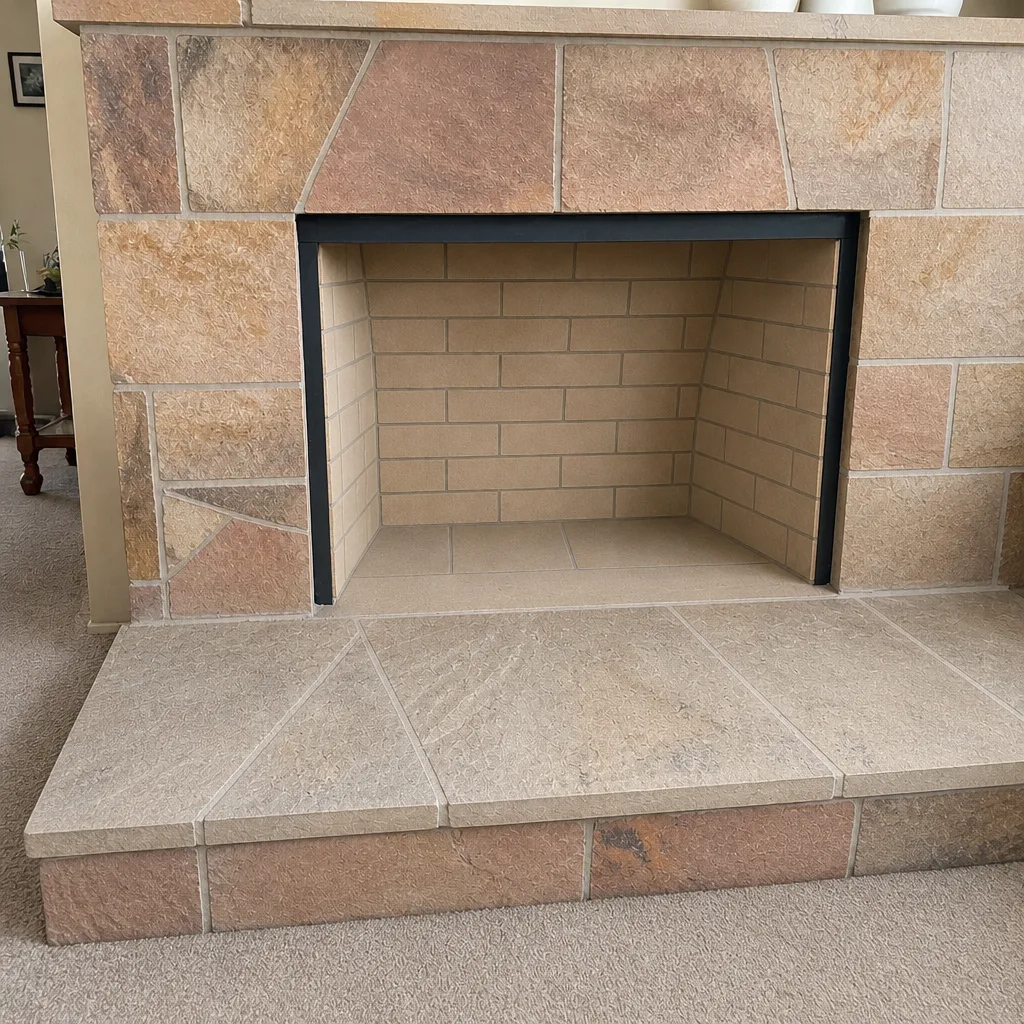
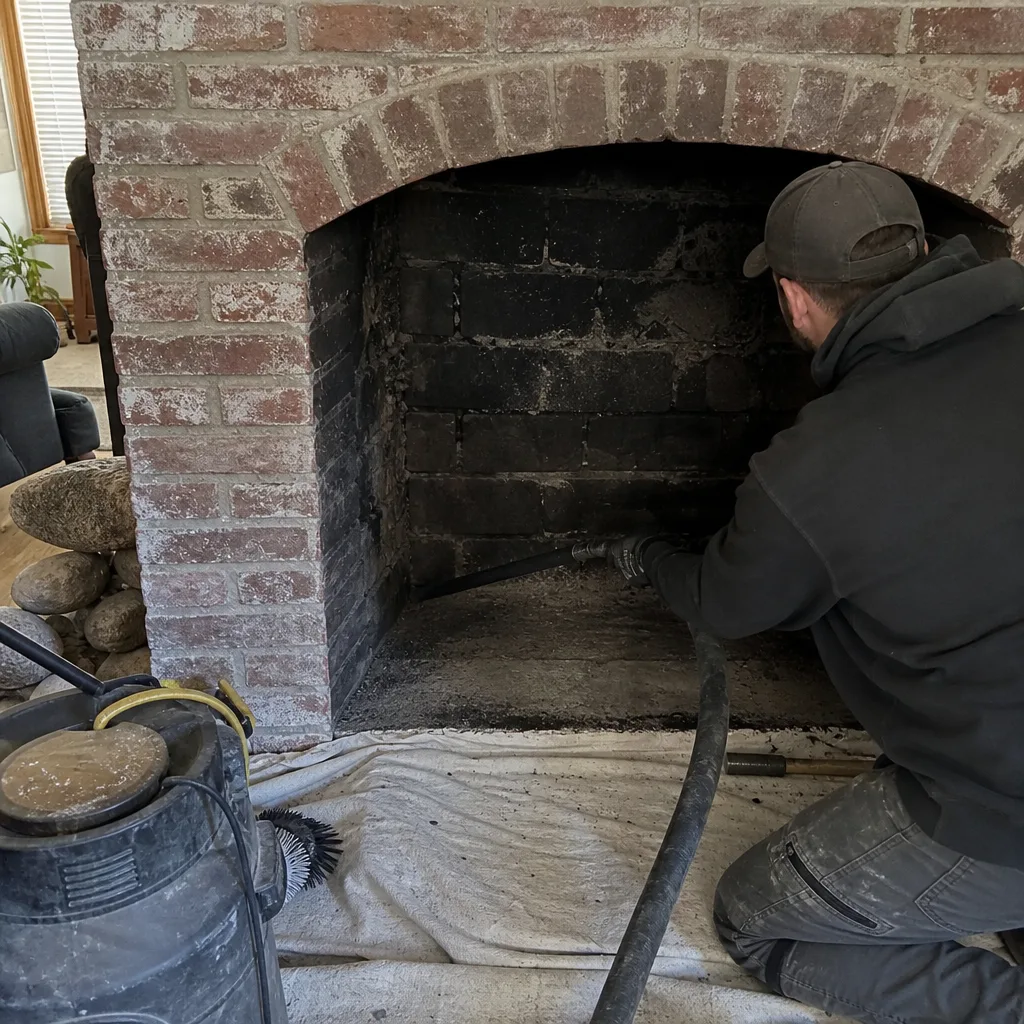
See the difference
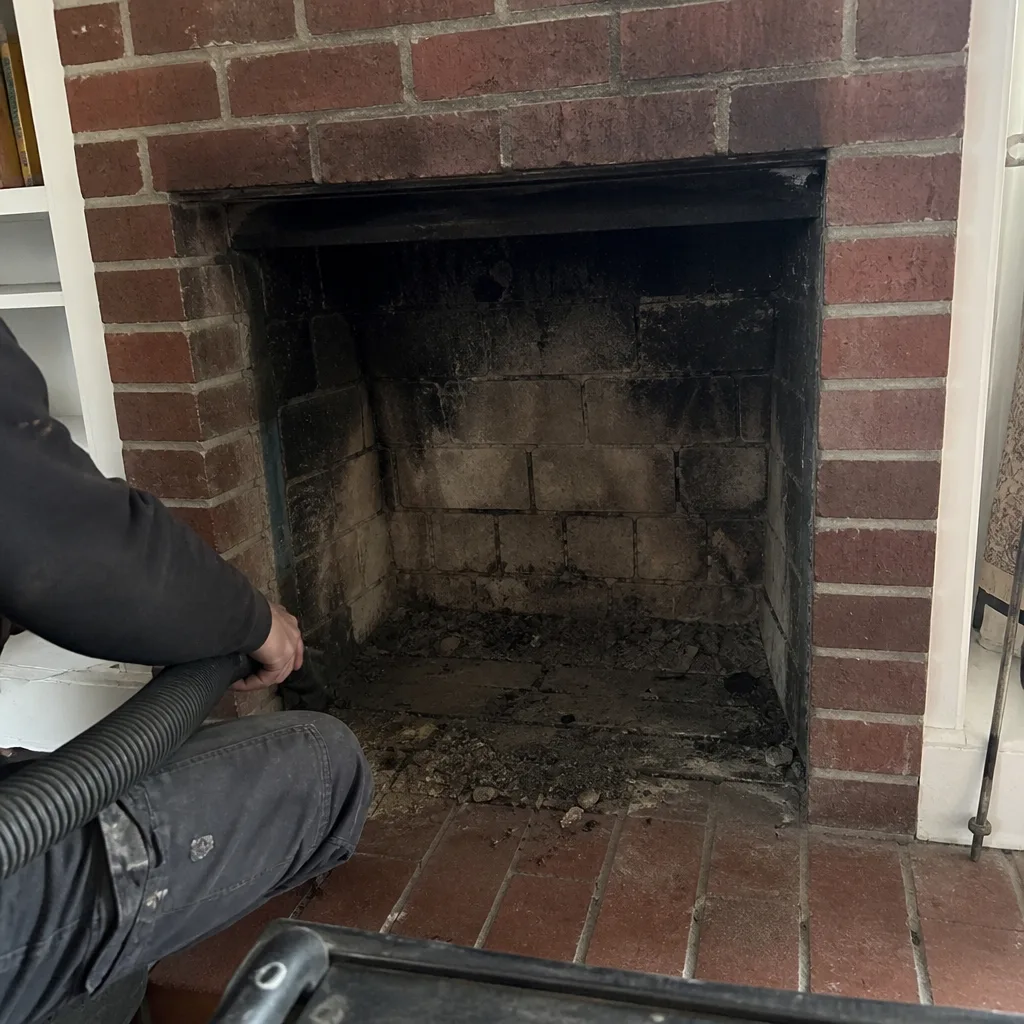 Before
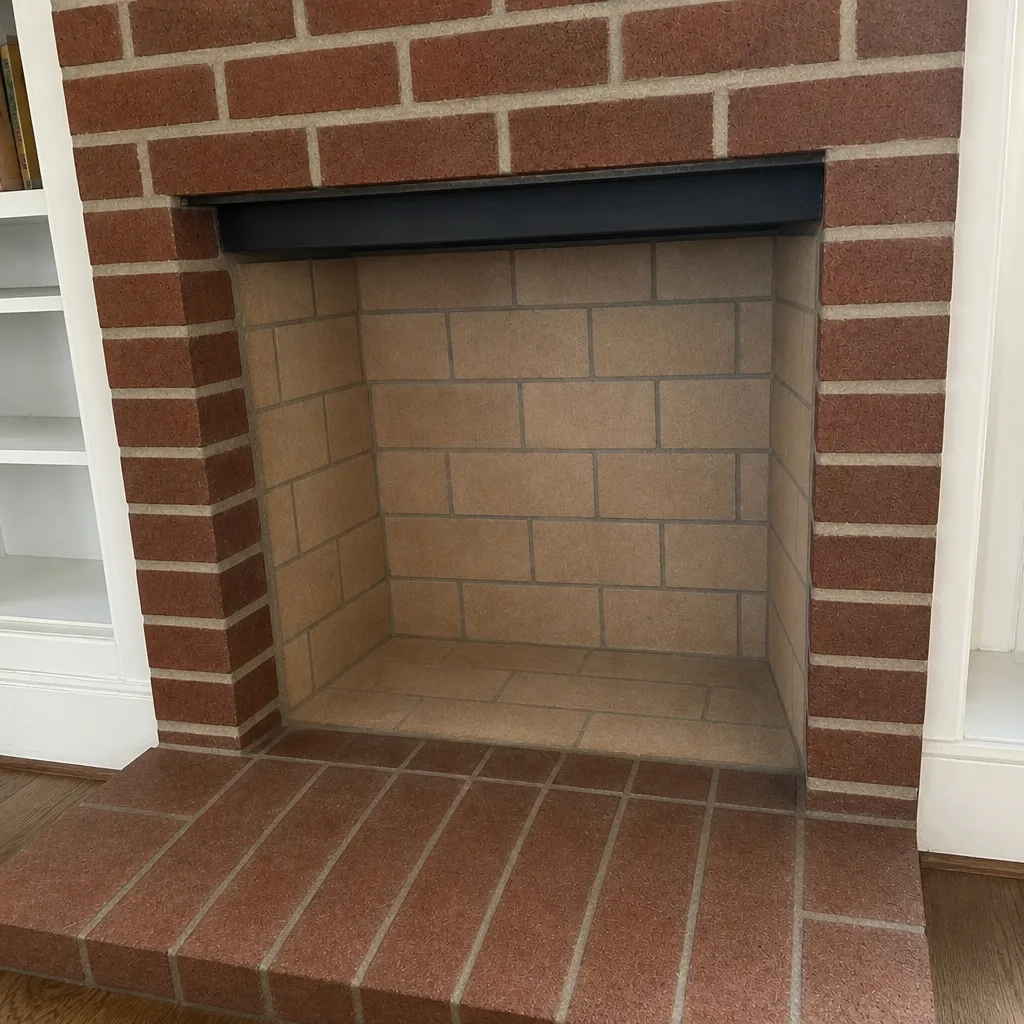 After
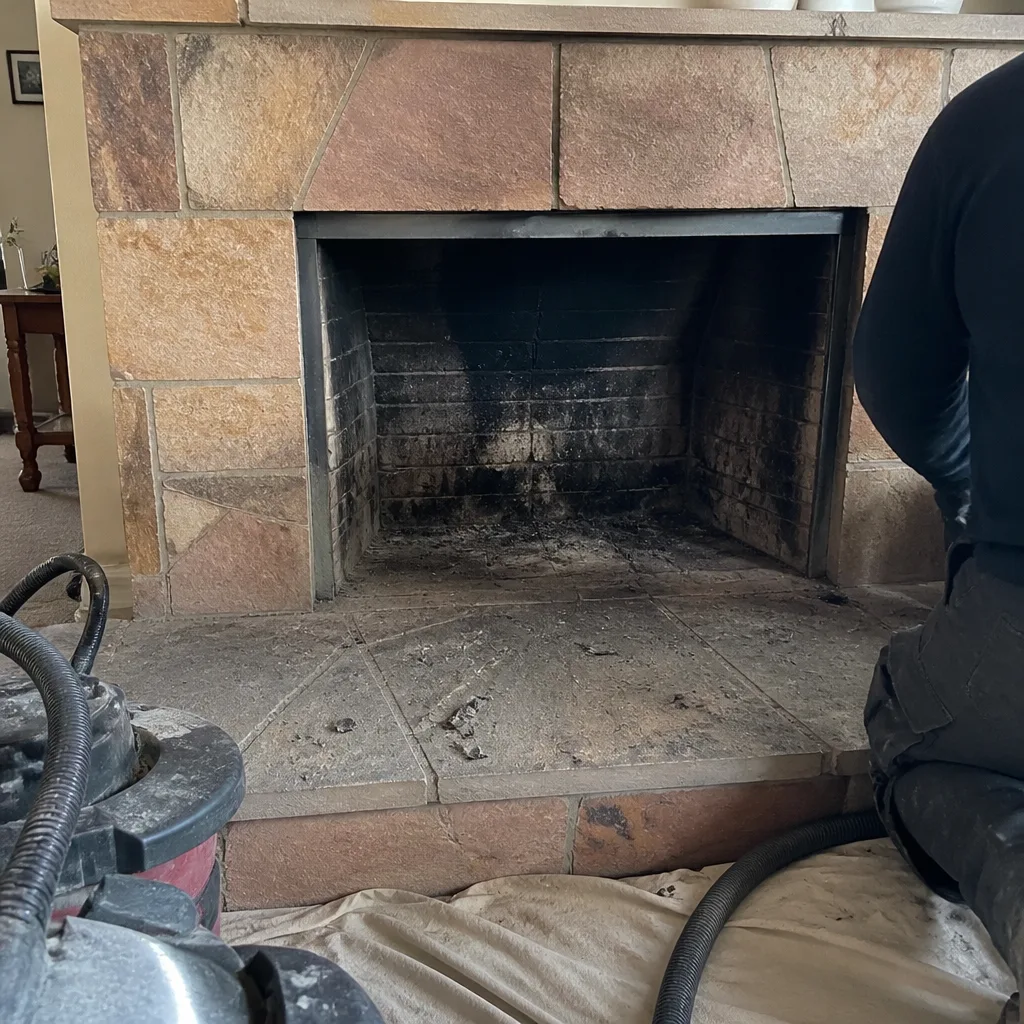 Before
 After
 Before
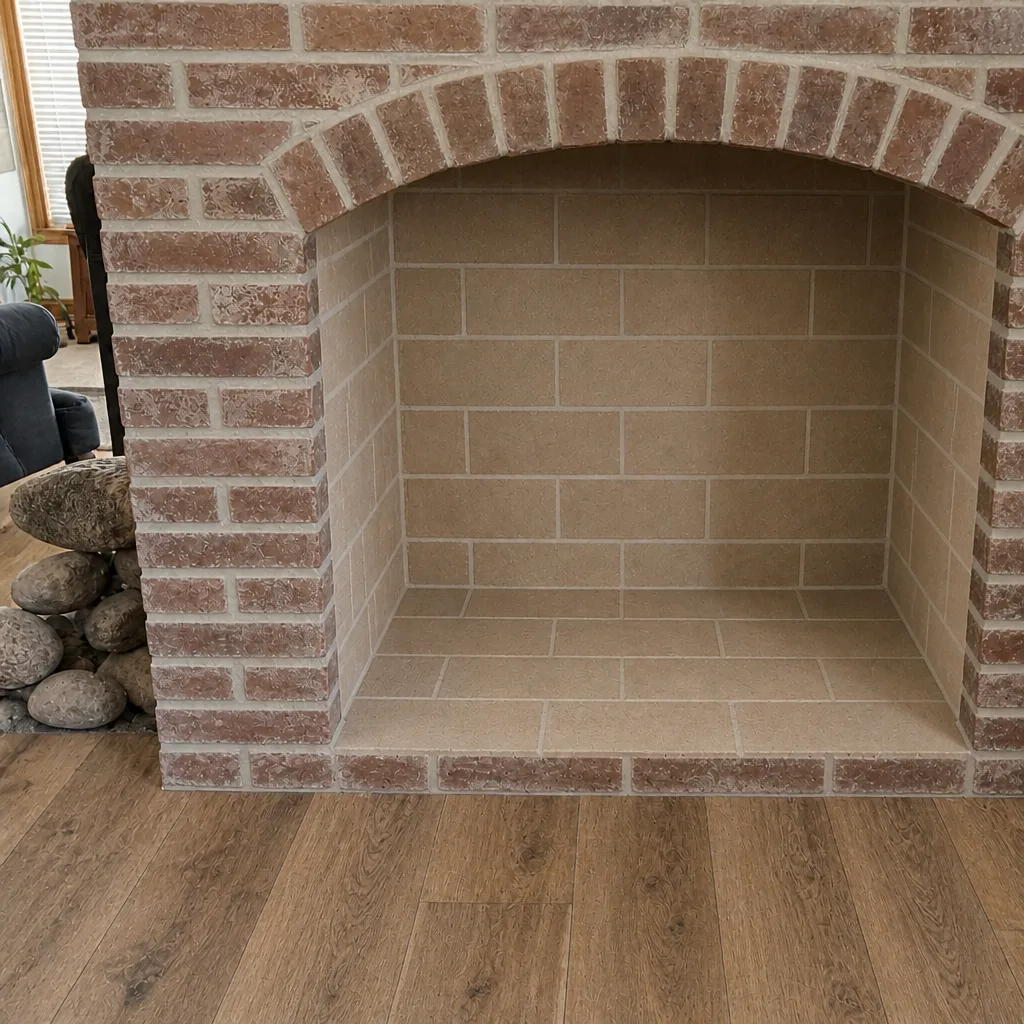 After