
Last updated November 15, 2026
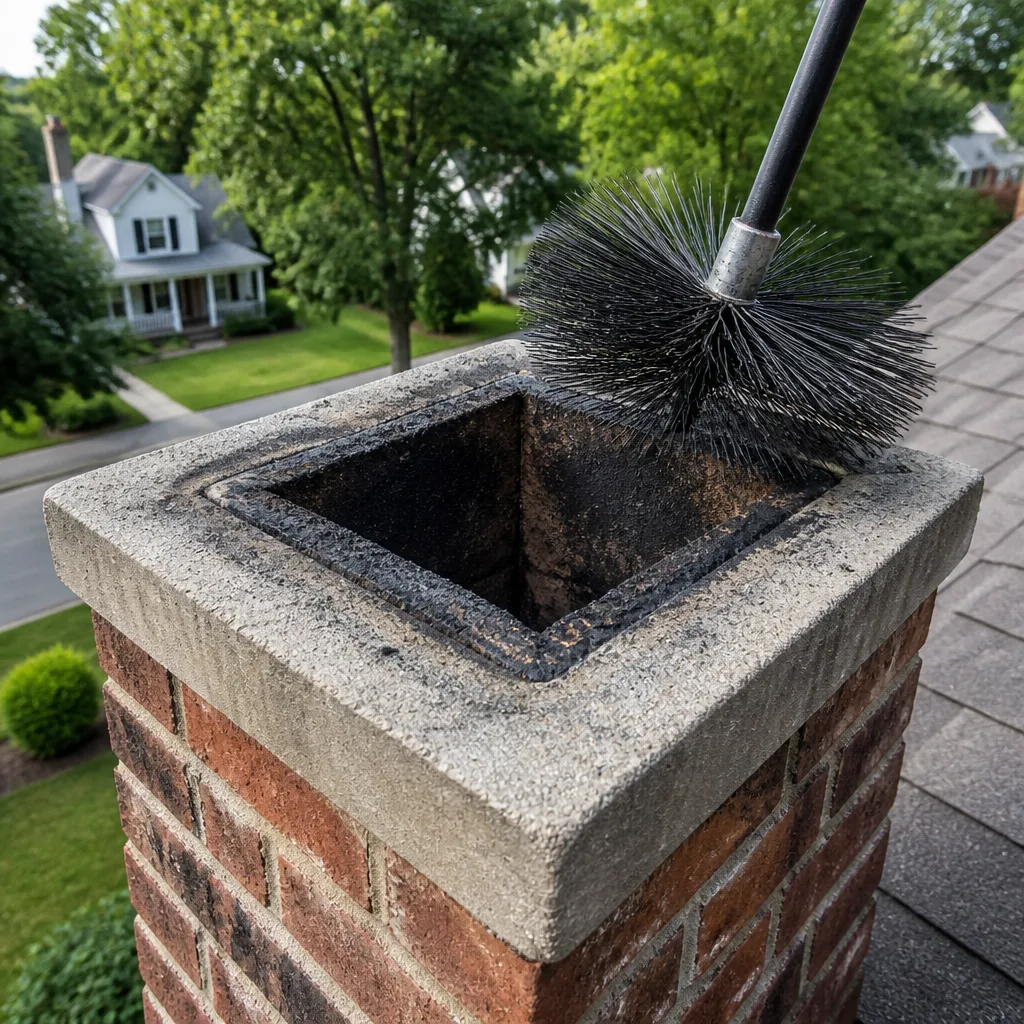 Sweep & inspection
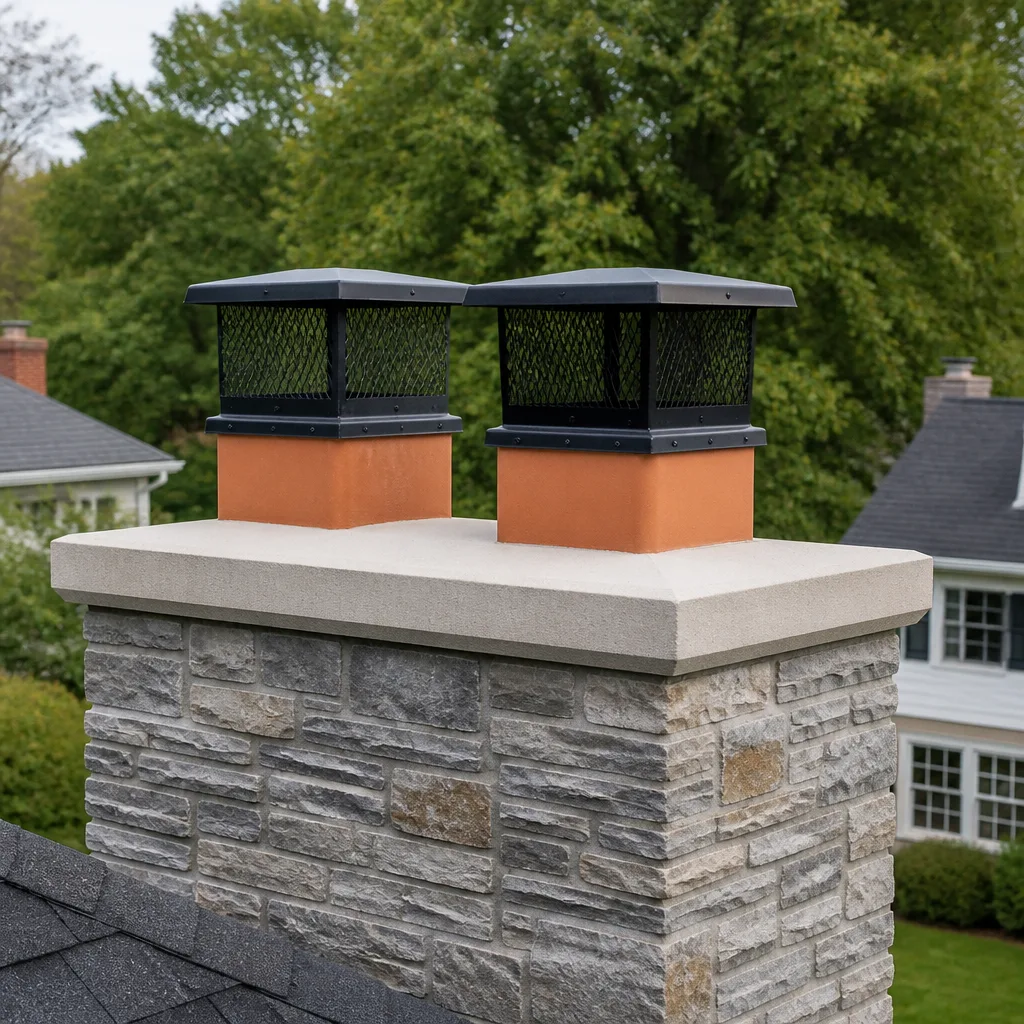 Caps & crowns
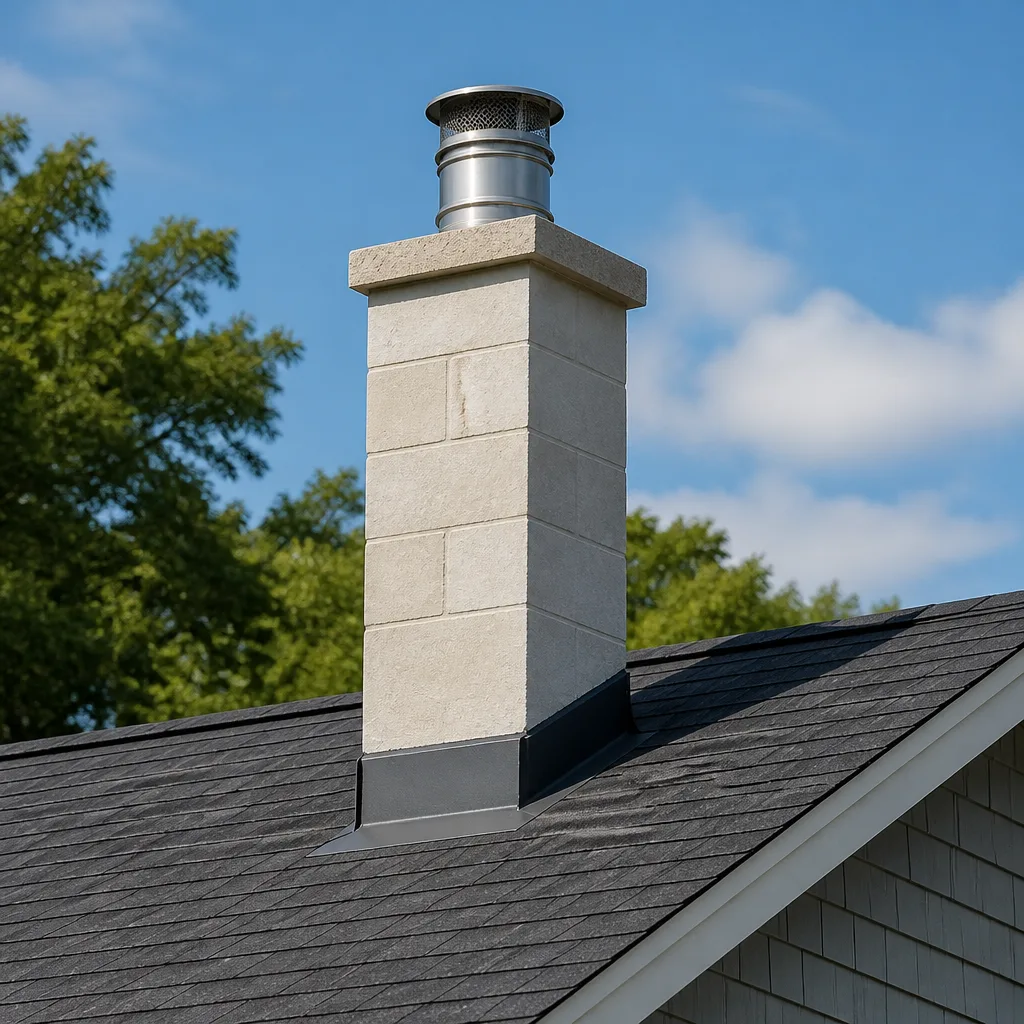 Flue relining
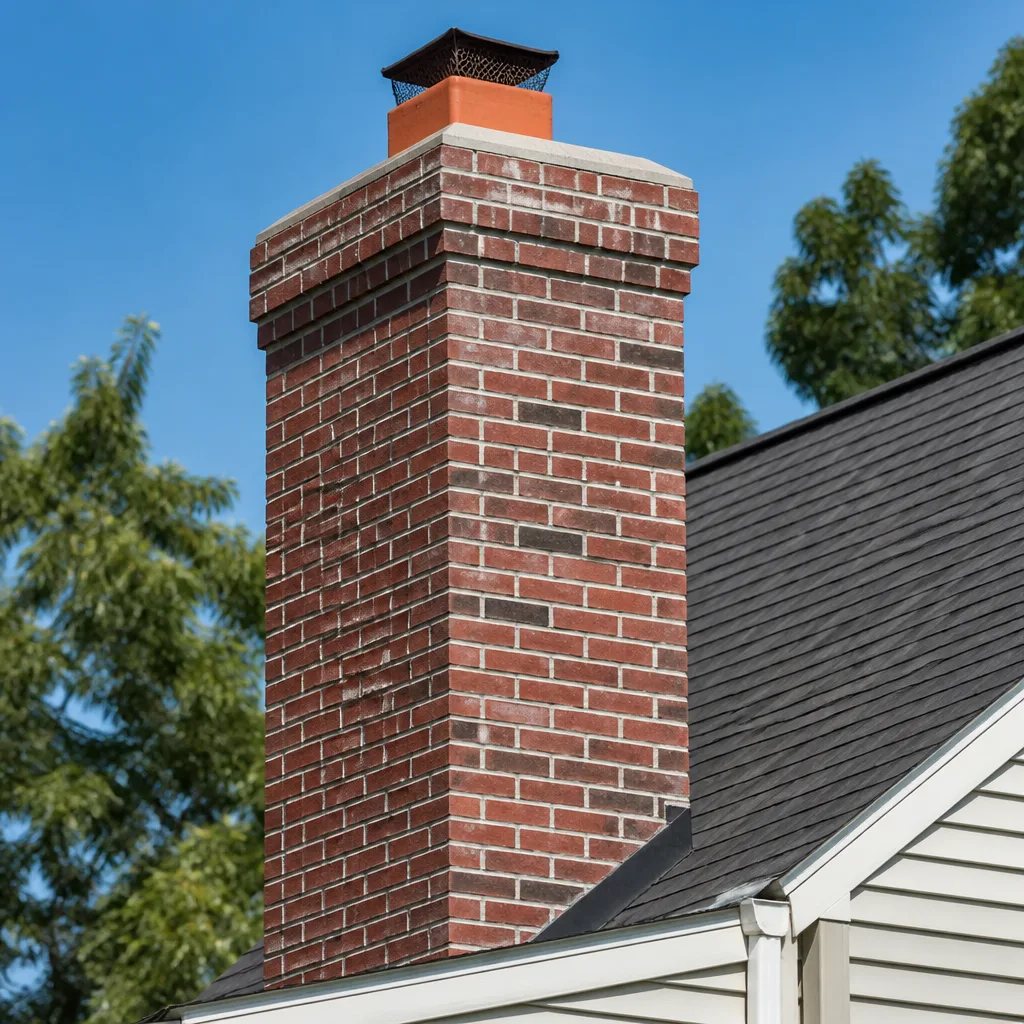 Masonry repair
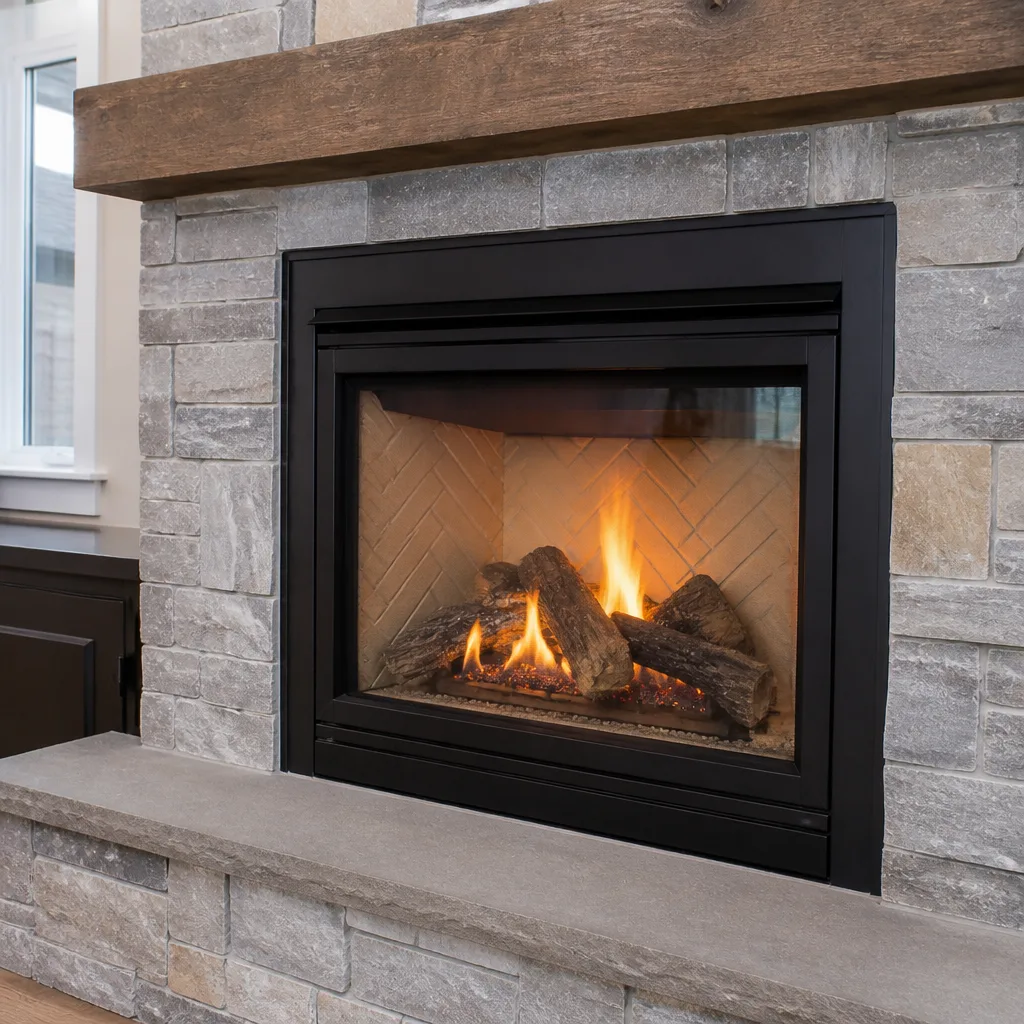 Gas fireplace service
Level 1 sweep and inspection to the NFPA 211 annual standard - flue, crown, cap, and flashing checked and photographed
Chimney sweep logs do not sweep chimneys. They loosen some creosote - which then falls where a brush and vacuum still have to collect it.
The Complete Guide to Chimney Cleaning in Longmont
At 5,000 feet elevation, wood burns differently, creosote deposits form at different rates, and the same national cleaning schedule that protects a chimney in Ohio can leave a Longmont home at risk. Most chimney advice online was written for sea-level houses with humid winters, and it quietly assumes things about your fire that aren’t true here. Altitude thins the air, Front Range weather swings hard between dry cold and warm afternoons, and the wood you burn behaves nothing like the hardwood the generic guides describe. This guide treats your chimney as the mechanical system it is: how combustion works at this elevation, what the creosote stages actually mean, when a cleaning is mandatory versus optional, and how to verify a sweep was done properly in your Longmont home.
Quick Answer
Chimney cleaning in Longmont should happen whenever your flue has accumulated a quarter-inch of creosote or any glazed third-stage deposit, and most wood-burning households here need a sweep roughly once a year given how hard and fast dry Colorado wood burns. A proper cleaning covers the firebox, smoke chamber, flue liner, and cap, followed by a Level 1 inspection with photo evidence. If you’ve skipped more than a couple of seasons or just bought an older Longmont house, start with a Level 2 inspection before the first fire.
Styles & brands we work with
- Sweep & inspection
- Caps & crowns
- Flue relining
- Masonry repair
- Gas fireplace service
Table of Contents
- How Longmont’s Altitude Changes Combustion and Creosote
- The Three Stages of Creosote and When Cleaning Becomes Mandatory
- Why “One Cord, One Cleaning” Doesn’t Hold in Colorado
- Level 1 vs. Level 2 Inspections: What Each One Means
- The Four Components Every Cleaning Should Touch
- How to Verify a Sweep Was Done Properly
- When Cleaning Turns Into Repair: Liners and Resurfacing
- The Vent Most Chimney Companies Ignore
How Longmont’s Altitude Changes Combustion and Creosote
At roughly 5,000 feet, the air holds less oxygen per cubic foot than it does at sea level, and that single fact reshapes everything about how a fire burns in your fireplace. A wood fire needs oxygen to burn cleanly. When the available oxygen is thinner, combustion is less complete, and incomplete combustion is exactly what produces creosote: the unburned wood gas that condenses on the cooler surfaces of your flue. A chimney in Longmont is working with less margin than the same chimney at a lower elevation.
What does that mean in practice? Fires here tend to smolder more easily if the draft is weak or the wood is poorly seasoned, and smoldering is the creosote factory. The flip side is that dry, high-altitude air cures firewood faster and more thoroughly than humid climates do, so properly stored Colorado wood can burn hot and clean. The variable isn’t the wood itself so much as whether the draft is pulling hard enough to keep the fire in a hot, complete burn instead of a lazy, smoky one.
Three local factors we account for when assessing a Longmont chimney:
- Draft strength. Altitude reduces the pressure differential a chimney relies on, so a flue that’s slightly undersized or partly blocked struggles more here than it would elsewhere.
- Temperature swings. Front Range days that warm up fast and cool off hard cause flue gases to cool quickly, giving creosote more opportunity to condense on the liner walls.
- Seasoning reality. Colorado’s dry air is an asset, but only if wood is actually split and stacked with airflow. Wood left in a tight pile stays wet regardless of the climate.
This is the core reason a national cleaning schedule imported from a lower, more humid region doesn’t map cleanly onto a Longmont home. The altitude itself is the missing variable in most of the advice you’ll read. For a service overview written around these local conditions, see our chimney sweep page.
The Three Stages of Creosote and When Cleaning Becomes Mandatory
Creosote isn’t a single substance. It’s a family of deposits that form in stages, and understanding which stage you’re looking at is the difference between routine maintenance and a genuine fire hazard. The industry standard, set by the CSIA (Chimney Safety Institute of America), classifies creosote into three stages, and each one calls for a different response.
Stage 1: Soot and Flaky Creosote
This is the light, dusty, flaky deposit that builds up on flue walls during normal burning. It’s the easiest to remove and the least dangerous. A standard brush sweep handles it. Stage 1 accumulation alone usually doesn’t demand urgent cleaning unless it’s built up thick enough to restrict draft. This is the stage where a routine annual sweep keeps everything under control.
Stage 2: Hard, Crusty Deposits
When stage 1 deposits accumulate and get re-exposed to heat and moisture, they harden into a crusty, tar-like layer. This stage clings to the liner and doesn’t brush off easily. It’s a sign that your burn conditions have been inefficient for a while, and it reduces the flue’s internal clearance. Stage 2 usually requires more than a quick pass with a brush, and it’s the point where many homeowners realize their “annual” sweep slipped a couple of years.
Stage 3: Glazed Creosote
Glazed creosote is a shiny, hardened, fuel-rich deposit that looks almost like a coat of varnish inside the flue. It is highly combustible and it is the stage that makes chimney fires dangerous. Unlike stages 1 and 2, glazed creosote does not come off with a brush; it often needs chemical treatment or professional removal methods. Any stage 3 deposit is a mandatory-cleaning trigger. There’s no “wait until next year” with glazed creosote. It’s the single clearest signal that a chimney needs professional attention now, not eventually.
In our experience across Longmont, altitude-driven incomplete combustion tends to accelerate the jump from stage 1 to stage 2 when a fire is routinely run cool or the wood is under-seasoned. That’s why the inspection matters as much as the sweep: knowing the stage tells you whether you’re doing maintenance or averting a hazard.
Why “One Cord, One Cleaning” Doesn’t Hold in Colorado
You’ll see the rule everywhere: burn a cord of wood, get one cleaning. It’s tidy, it’s easy to remember, and in a lot of the country it’s roughly right. In Colorado’s dry climate, it falls apart for reasons that have nothing to do with how much wood you burn. The rule assumes a fairly consistent relationship between fuel volume and creosote output. Altitude and dry air break that relationship.
Dry, well-seasoned wood burns hotter and faster here, which means it produces less creosote per cord than damp wood would. Burn a cord of properly seasoned Colorado wood efficiently and you might be well within safe limits after a full cord. Burn the same volume of poorly seasoned or green wood in a cool-running fire and you can build meaningful deposits in a fraction of that time. The cleaning trigger isn’t the cord count. It’s the deposit stage and thickness, plus the condition of the liner and cap.
What actually drives the schedule in a Longmont home:
- Actual creosote thickness and stage at inspection, not a volume of wood burned.
- How the fire is run. Hot, complete burns leave less behind; long, cool, smoldering burns leave much more.
- Wood moisture. Dry wood is the biggest controllable variable, and Colorado’s climate helps if you stack and split properly.
- Draft and flue condition. A flue that pulls well keeps gases moving; a restricted one lets them linger and condense.
- How often the fireplace is used. A fireplace used daily all winter and one used a few times a season need very different attention.
So instead of counting cords, count deposit stage and check the flue condition each season. The right cadence for your Longmont home is whatever your inspection evidence says it is. That’s a more honest answer than a fixed rule borrowed from a different climate.
Level 1 vs. Level 2 Inspections: What Each One Means
Inspections aren’t one thing. The industry recognizes three levels, and the difference between them matters more than most homeowners realize. A cleaning visit usually includes a Level 1 inspection. A Level 2 inspection is a more thorough evaluation that goes beyond what you can see from the firebox. Knowing which one a situation calls for prevents both over-spending and missed defects.
Level 1: The Routine Visual Inspection
A Level 1 inspection happens during a normal cleaning visit. It’s a visual check of the readily accessible portions of your chimney and venting system: the firebox, the damper, the visible part of the flue, and the cap from the outside. It’s appropriate when the chimney has been maintained and is being used the same way it always has been. It answers the question “is this system sound and ready to use?” without pulling out components or running a camera through the whole flue.
Level 2: The Full Evaluation
A Level 2 inspection is required whenever the conditions around the chimney have changed or there’s a reason to suspect a hidden defect. It includes everything in a Level 1 plus a camera inspection of the flue interior, and typically access to more of the system. The industry standard calls for a Level 2 when any of the following apply:
- You’ve just bought the home and don’t know the chimney’s history.
- A major event has occurred: a chimney fire, an earthquake, or a strong storm that could have damaged the structure.
- You’ve changed the appliance, the fuel type, or how the chimney is used.
- You’re troubleshooting a persistent problem like smoke backup or poor draft.
- You’re replacing or relining a flue, so the existing condition needs to be documented first.
For a Longmont homeowner who recently bought an older house or who’s been away from maintenance for a few years, a Level 2 is typically the right starting point. It’s the difference between assuming the flue is fine and knowing it. If your last inspection was years ago or your home inspection flagged something, start here. Learn more about how we serve area homes on our Longmont page.
The Four Components Every Cleaning Should Touch
A chimney is a system, not a single tube, and a cleaning that only brushes the flue leaves parts of that system unaddressed. There are four components a proper cleaning should account for, and you should be able to confirm each one was handled. If you can’t say what happened to any of them after a sweep, ask.
1. The Firebox
This is where the fire actually burns, and it collects soot, ash, and creosote on its firebrick and walls. A thorough cleaning clears the firebox and checks the brick and mortar joints for cracks or gaps that could let heat or gases escape. Deteriorated firebox joints are a common finding in older Longmont homes and often get flagged during the first cleaning.
2. The Smoke Chamber
The smoke chamber is the tapered space just above the damper that funnels smoke into the flue. It’s a known trouble spot because its shape and surfaces collect deposits that are hard to reach. A cleaning should include brushing and removing creosote from the smoke chamber surfaces, not just the straight run of the flue. If a company skips this, they’ve skipped one of the most vulnerable areas of the system.
3. The Flue Liner
The liner is the actual chimney passage and the surface most exposed to creosote and heat. Cleaning means removing deposits from the full length of the liner and inspecting its condition. This is also where a camera becomes valuable: it’s the only way to see whether the liner has cracks, gaps, or glazed deposits that brushing alone won’t fix.
4. The Cap and External Components
From outside, the cap, crown, and the visible portion of the chimney should be checked. A damaged cap lets water and animals in; a cracked crown lets moisture into the masonry. These are easy to overlook in a “clean the flue” visit and they’re exactly the kind of defect an honest inspection catches and documents.
Confirming all four were addressed is how you know the job was complete. When we work on a Longmont home, the liner, firebox, smoke chamber, and cap are each part of the conversation, along with the evidence we found.
How to Verify a Sweep Was Done Properly
You can’t see inside your own flue, and that’s exactly why chimney cleaning attracts doubt. A homeowner is asked to trust that deposits were removed, defects were found, and the recommendation that follows is real. The way to remove that doubt is evidence you can see, not a verbal summary. A professional cleaning should leave you with proof you can review on your own.
Here’s what to look for when a sweep is complete:
- Camera footage of the flue. Before-and-after views of the liner show you what was there and what was removed. You should be able to look at it yourself.
- A photo report of findings. Any cracks, gaps, glazed creosote, or damaged joints should be photographed so you can see the condition, not just hear about it.
- A clear statement of each component’s status. Firebox, smoke chamber, liner, and cap should each be accounted for.
- An honest “this can wait” when it can. Not everything a camera finds is urgent. A professional will tell you what’s safe to defer and what isn’t.
- No pressure to buy on the spot. Findings are findings; the recommendation should make sense to you before you agree to any repair.
This is where our own process is built for doubt. Nothing is recommended without camera evidence you can look at yourself, and we’ll tell you plainly when work can safely wait. We work with named, professional-grade brands – DuraFlex, Olympia Chimney, Copperfield, and Famco among them – because you deserve to know what’s going into your home, and we don’t deal in mystery parts. If a report tells you the liner needs attention, the report should show you why.
When Cleaning Turns Into Repair: Liners and Resurfacing
Sometimes a cleaning uncovers something the sweep can’t solve. A liner that’s cracked, deteriorated, or compromised by glazed creosote isn’t a cleaning problem anymore; it’s a repair problem. Because we handle both cleaning and repair, a defect found during the sweep can typically be addressed without you scheduling a second contractor. That’s the practical benefit of a company that covers the whole flue.
There are two main paths for a compromised liner, and which one fits depends on the specific condition:
- Liner resurfacing. HeatShield technology restores the inside of an existing liner by applying a resurfacing material that fills and seals along its length. It’s a less invasive option that can extend the life of a chimney without a full reliner replacement, and it’s a good fit when the liner is still structurally sound but has developed gaps or deterioration.
- Full relining. When the existing flue is aged, damaged, or undersized for the way it’s used, a full liner installation may be the right call. DuraFlex flexible liner systems are the industry standard for relining aged or damaged flues, and they’re built for longevity and code-appropriate performance.
The choice between them isn’t a preference. It’s a function of what the camera shows. A liner that can be resurfaced shouldn’t be torn out if resurfacing is appropriate, and a flue that needs a full reline shouldn’t be patched with a shortcut. That’s why the evidence comes first and the recommendation follows. If you’re weighing options for a Longmont home, our chimney sweep team can walk through what the inspection means for your flue, and we install professional-grade DuraFlex and HeatShield systems rather than hardware-store substitutes.
The Vent Most Chimney Companies Ignore
Your chimney isn’t the only fire hazard hiding in the house. The dryer vent is a leading household fire hazard, and it’s a service most chimney-only companies don’t touch. Lint accumulates in the duct as your dryer runs, and because lint is highly flammable and the dryer produces heat, a blocked vent is a real ignition risk. That’s the concern behind the fire safety data organizations like the NFPA publish on dryer-related fires, and it’s a big part of why duct cleaning matters.
A dryer vent cleaning clears the accumulated lint and restores airflow, which also helps your dryer run as intended. Signs the vent is overdue include clothes taking longer to dry, a dryer that feels hot to the touch, and lint visible around the outside vent hood. If you can’t remember the last time the vent was cleared, it’s worth having it checked, especially in older Longmont homes where the ductwork may not have been cleaned in years.
We offer dryer vent cleaning as one of our three core services, alongside chimney sweeping and chimney repair. It closes a gap that a chimney-only company leaves open, and it fits cleanly into a single visit with your flue service. Three service categories under one roof means the whole house’s venting gets looked at, not just the chimney.
Common Mistakes to Avoid
- Following a sea-level cleaning schedule. Importing a national annual-or-biennial rule ignores how altitude and Front Range weather change combustion and creosote buildup. Your actual inspection evidence, not a generic calendar, should set the cadence.
- Counting cords instead of checking stages. The “one cord, one cleaning” rule doesn’t account for dry Colorado wood that burns hotter and faster, or for cool smoldering fires that build stage 2 and 3 deposits quickly. Judge by creosote stage, not firewood volume.
- Treating a brush-only sweep as complete. A cleaning that skips the smoke chamber or never checks the cap leaves vulnerable parts of the system unaddressed. Every cleaning should touch the firebox, smoke chamber, flue liner, and cap.
- Skipping the Level 2 after buying an older home. A standard Level 1 won’t reveal hidden liner defects. If you don’t know your flue’s history, a camera inspection is the honest starting point.
- Assuming stage 1 and stage 3 are the same problem. They’re not. Flaky soot is routine maintenance; glazed creosote is a mandatory-cleaning trigger and a chimney fire risk. Knowing which you have changes the response.
- Ignoring the dryer vent. While you’re scheduling a chimney sweep in Longmont, the lint-filled dryer vent is a separate fire hazard worth addressing at the same time.
- Accepting a summary instead of evidence. A verbal “we found some issues” doesn’t tell you what to do. Ask for camera footage and a photo report you can review yourself before agreeing to any repair.
See the difference
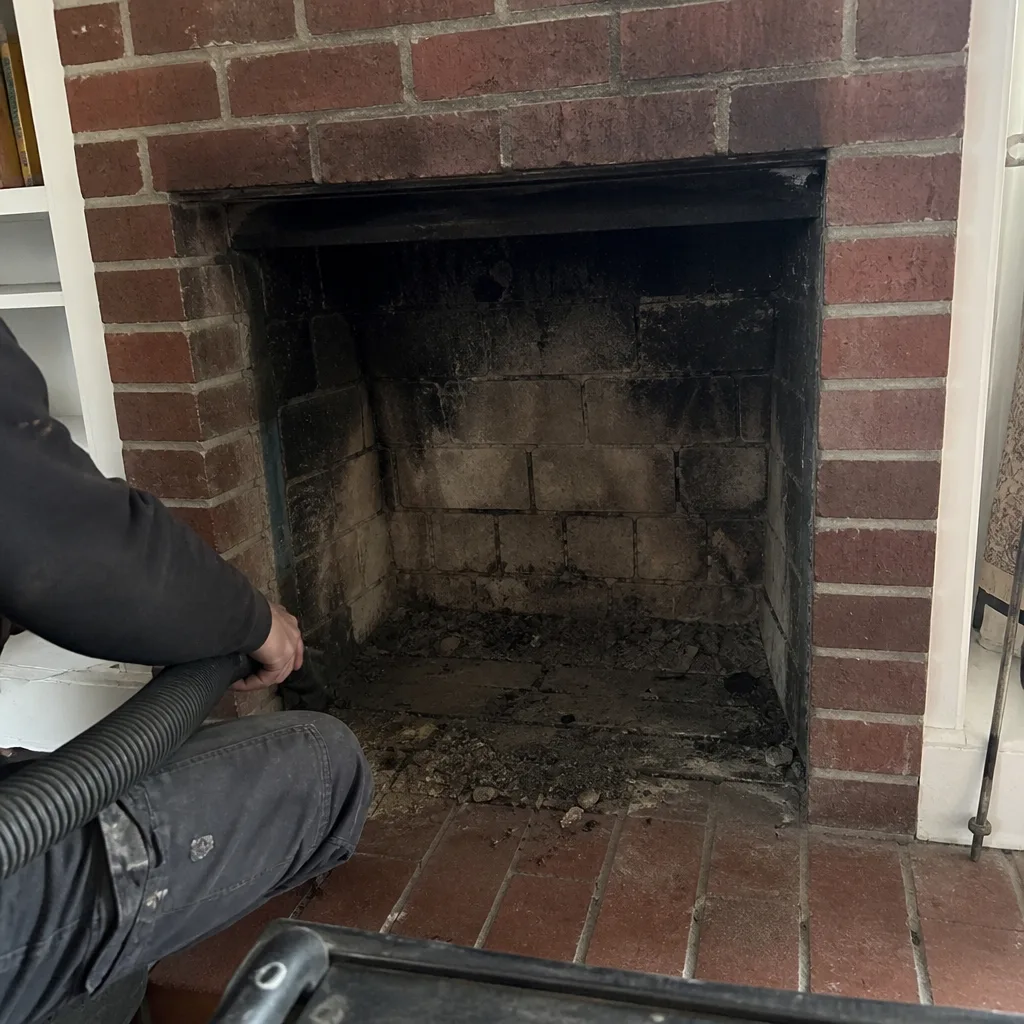 Before
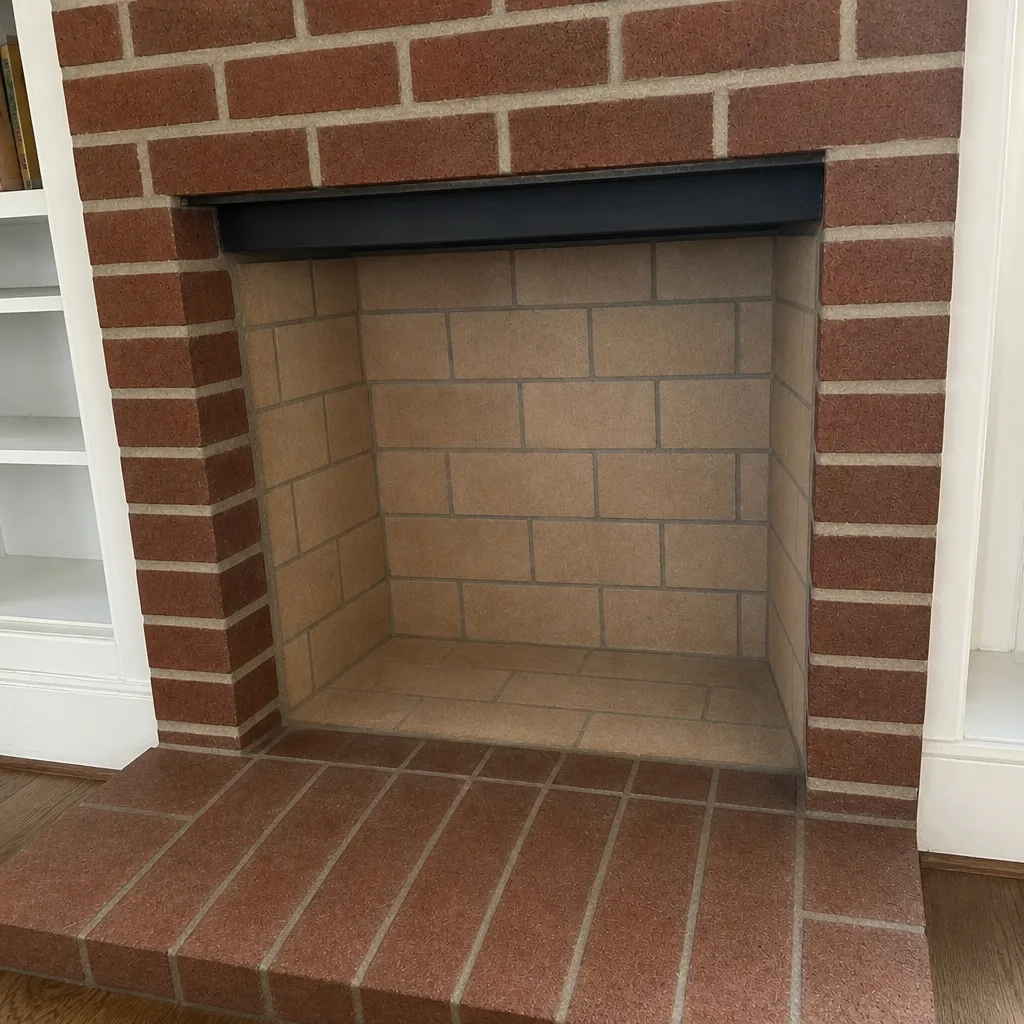 After
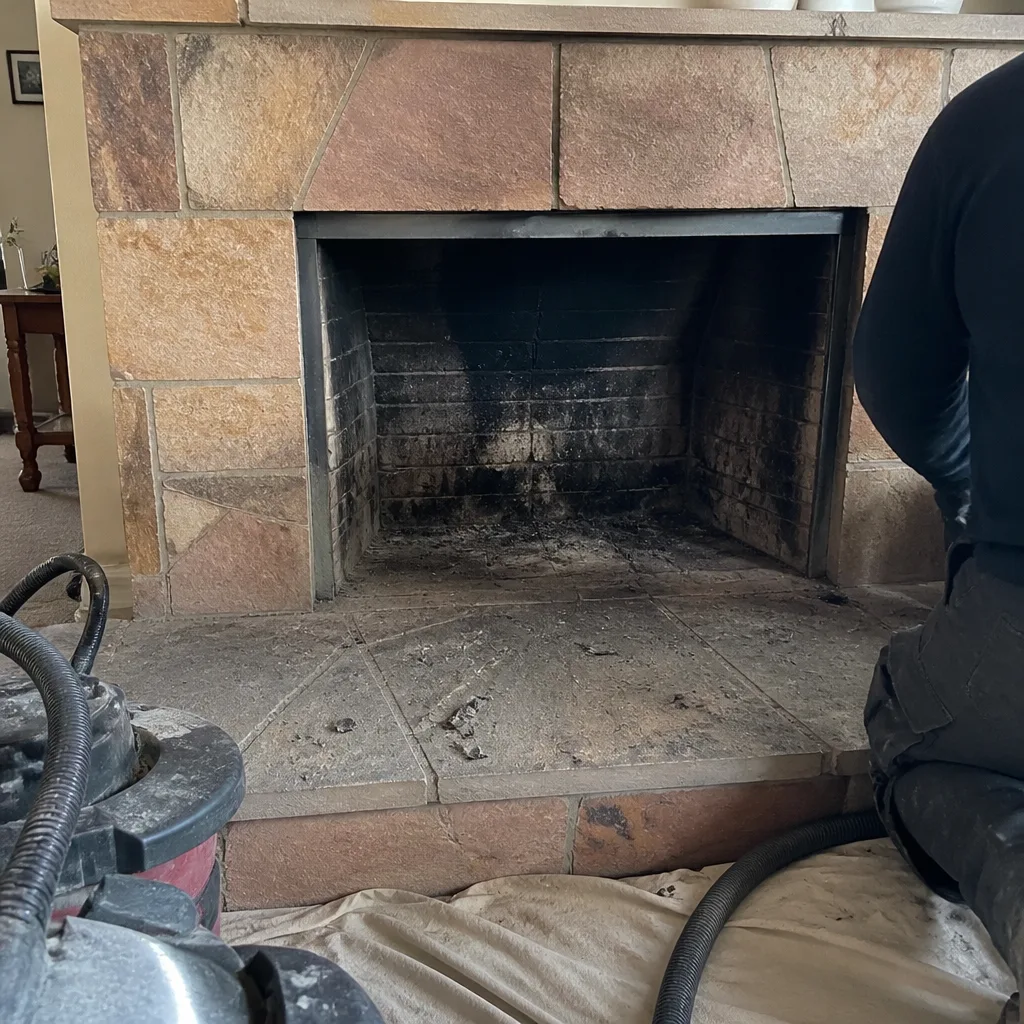 Before
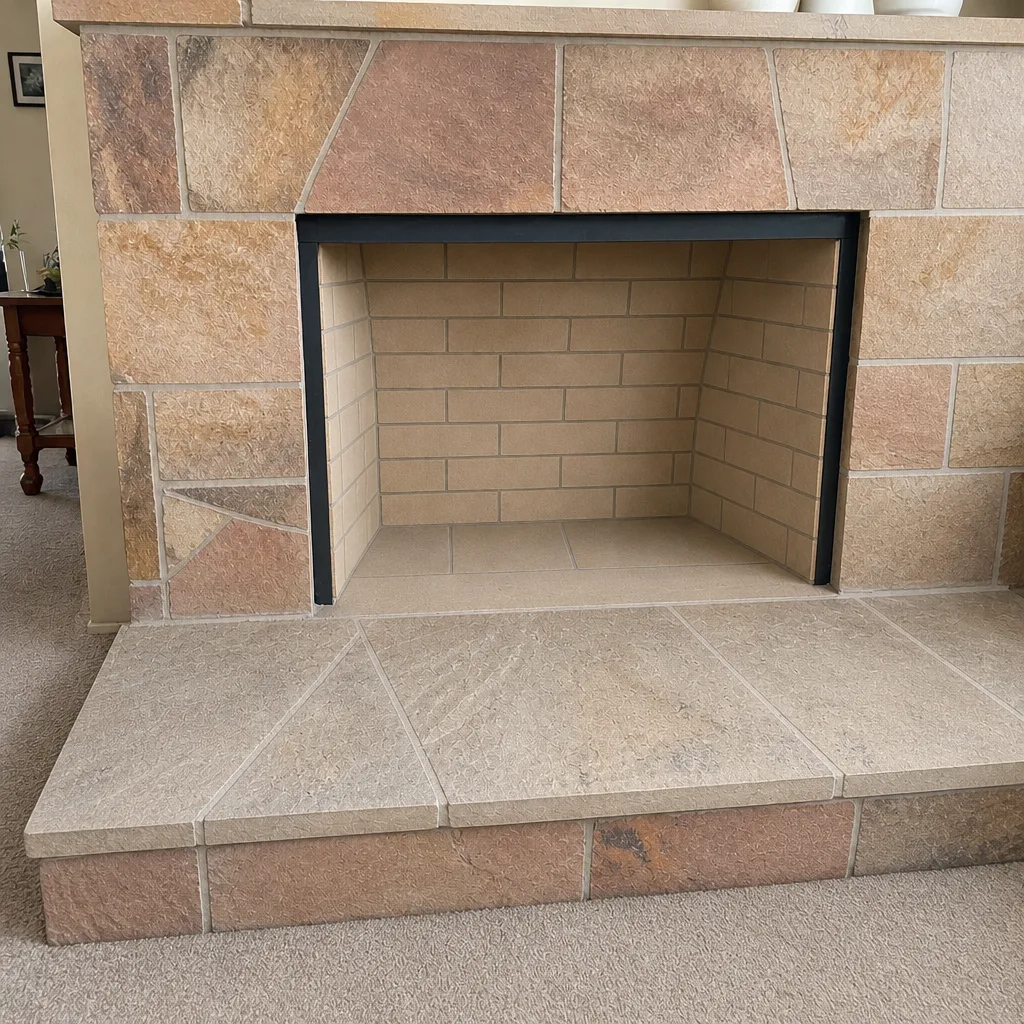 After
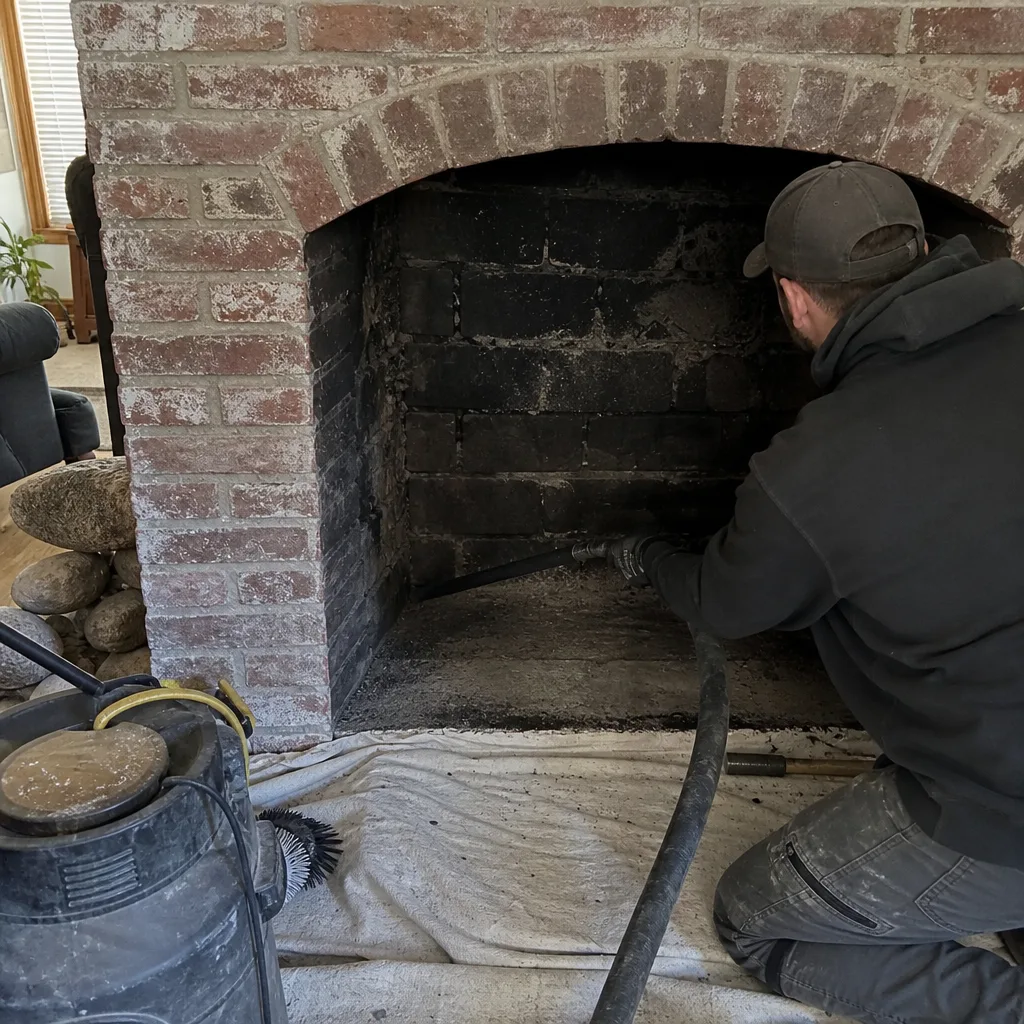 Before
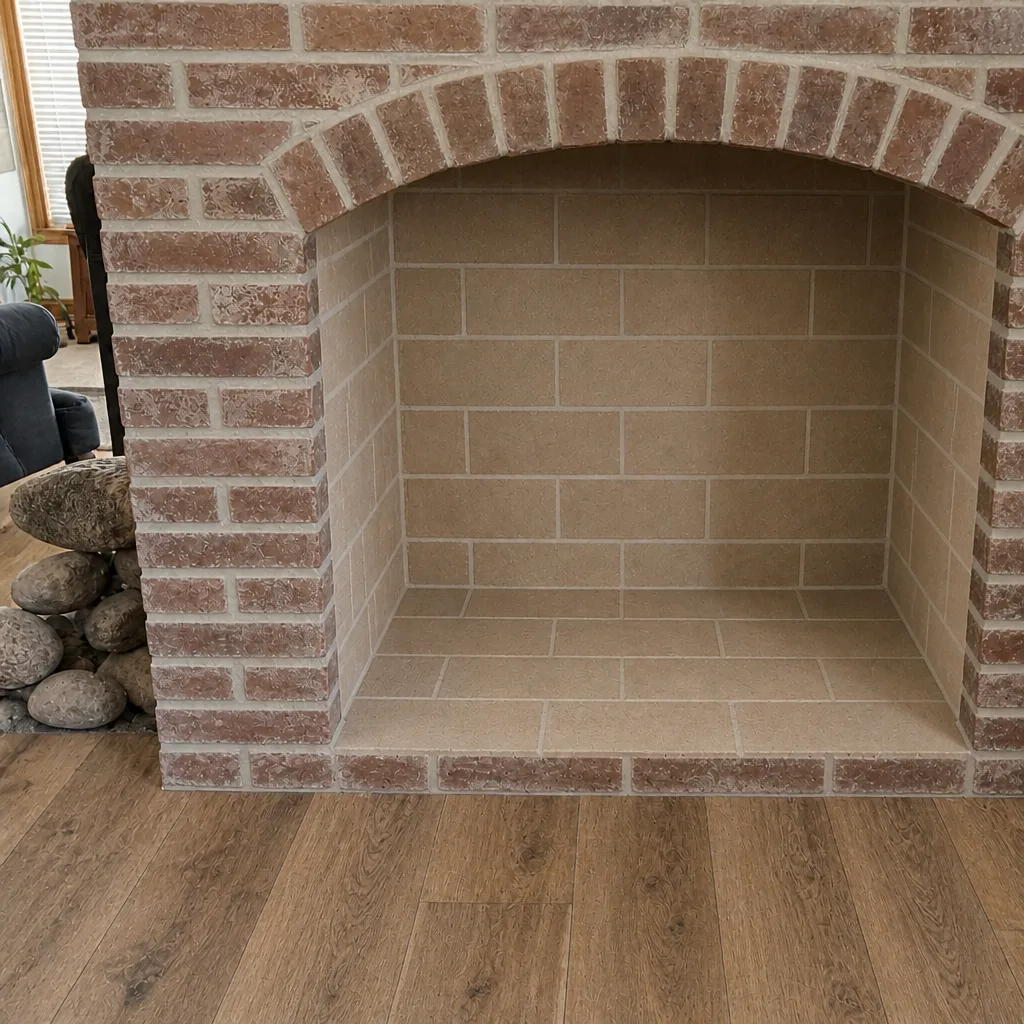 After
When to Call a Professional
Some situations clearly call for a trained technician rather than a do-it-yourself check. Call a professional if you see or smell glazed, tar-like creosote in the firebox or flue; if your fire smokes back into the room or the fireplace won’t draft; if you’ve had a chimney fire (even a small one) or suspect one; if the firebox brick or mortar looks cracked or crumbled; if water is coming in around the chimney; if it’s been several seasons since the last cleaning; or if you recently bought a Longmont home and don’t know its maintenance history. A blocked or damaged flue can carry real risk of a chimney fire or carbon monoxide exposure, which is reason enough to have a trained set of eyes on the system rather than guessing. Chimney Sweep Longmont offers free estimates in Longmont – call (855) 360-7080. We answer 24/7. Fast dispatch from 7am to 7pm, Sunday through Friday.
Frequently Asked Questions
Most chimney cleanings in the Longmont area fall within a typical range of roughly $150 to $350, with the final figure set by the specifics of your flue, the deposits found, and whether an inspection level beyond a standard Level 1 is needed. Altitude-driven creosote behavior and the condition of the liner can move the estimate either way, and a written estimate sets the final price. Call (855) 360-7080 for an exact quote – estimates are free.
For most regularly used wood-burning fireplaces here, once a year is a sensible baseline, but the real trigger is creosote thickness and stage rather than a fixed calendar. A quarter-inch of creosote or any glazed stage 3 deposit means clean now. Because Colorado’s dry air makes seasoning and burn behavior differ from lower, more humid regions, base your schedule on your inspection findings. Call (855) 360-7080 to book a sweep and inspection.
Creosote keeps accumulating, and it can progress from flaky stage 1 into hard stage 2 crust and eventually combustible glazed stage 3, which raises the risk of a chimney fire. A restricted or damaged flue can also let smoke and carbon monoxide back into the home. Skipping maintenance doesn’t produce an immediate disaster every time, but it removes the safety margin you’re relying on. Call (855) 360-7080 for an honest assessment – estimates are free.
You need one only if the camera evidence shows cracks, gaps, or a level of deterioration that a cleaning can’t fix, and resurfacing with HeatShield can sometimes extend a liner’s life instead of replacing it entirely. The point of a photo report is that you can see the condition yourself and judge whether the recommendation matches what’s on screen. Nothing should be recommended without evidence you can review. Call (855) 360-7080 to get that evidence in writing.
A Level 1 is a visual check of the readily accessible parts of the system during a routine cleaning, while a Level 2 adds a camera inspection of the flue interior and is the right call when conditions have changed. That includes a recent home purchase, a chimney fire or storm event, a change in the appliance or fuel, or a suspected problem with draft or smoke backup. If your Longmont home’s history is unknown, start with a Level 2.
Often, yes. We offer chimney sweeping, chimney repair, and dryer vent cleaning under one roof, so a defect found during the sweep can typically be resolved without scheduling a second contractor. Whether it’s a Day-of fix depends on the repair itself and the materials involved, but the inspection-and-recommendation process stays in one place. Call (855) 360-7080 to talk through your situation.
The Bottom Line
Chimney cleaning in Longmont is a system-maintenance job shaped by altitude and Front Range weather, not a seasonal chore you do on a generic schedule. Creosote stage, not cord count, sets when a cleaning is mandatory. A Level 2 inspection is the honest starting point when the history is unknown. A proper cleaning touches the firebox, smoke chamber, liner, and cap, and leaves you with camera evidence and a photo report you can see for yourself. Repair, resurfacing, and relining follow the evidence, and the dryer vent is a hazard worth closing at the same time. That’s how you protect a Longmont home.
If it’s time to book a sweep, or you just want a straight answer about the state of your flue, call (855) 360-7080 for a free estimate. We answer 24/7. Fast dispatch from 7am to 7pm, Sunday through Friday. From the first sweep to a full liner repair, we handle the whole flue, with professional-grade materials and a transparent process.
Written by the team at Chimney Sweep Longmont.